
In Russia, there is less and less room for a war against Ukraine
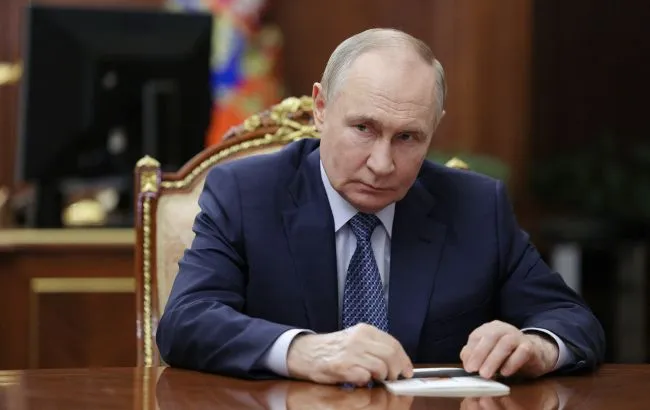
Estonian intelligence has stated that Russia is nearing the point where it will lose the ability to dictate the terms of the war against Ukraine, as the front has effectively reached a stalemate and serious economic and social problems are mounting within Russia itself. According to experts, the Kremlin has only a few months left to try to act from a position of strength, after which the situation may change. At the same time, the pressure of war, sanctions, and internal instability is mounting in Russia. This was reported by CNN.
This was stated by Kaupo Rosin, head of Estonia’s Foreign Intelligence Service, while commenting on the course of the war and the state of the Russian economy and military, noting that the strategic window of opportunity for Moscow is gradually closing.
According to him, the Russian leadership is no longer talking about a “total victory,” as there have been no significant breakthroughs on the front lines, and losses continue to rise, exceeding the army’s ability to replenish its ranks. Rosin emphasized that, according to analysts’ estimates, the pace of Russian troop advances in recent years has remained minimal, while daily losses reach about a thousand people killed or wounded, which effectively depletes combat potential.
Separately, he highlighted the role of drones, which have significantly complicated the conduct of large-scale offensive operations on both sides of the front, effectively turning the war into an exhausting stalemate.
Estonian intelligence believes that for a major turning point, Russia would have to carry out a new large-scale mobilization; however, such a move could cause internal tensions and threaten the stability of the Russian state itself. “They are very concerned about internal stability and will not make such decisions lightly,” Rosin noted, emphasizing that the Kremlin is closely monitoring public sentiment following the events of 2022.
He also recalled that the partial mobilization at that time caused panic, protests, and a mass exodus of citizens abroad, which served as an important lesson for the Russian authorities.
Western sanctions, significant war costs, and Ukraine’s strikes on Russia’s energy infrastructure—which have already caused billions in damages, particularly to the oil sector—are creating additional pressure on Moscow.
Separately, the expert noted that the war is increasingly being felt within Russia itself, as drone attacks on major cities are changing the public’s perception of the conflict. Additionally, he said, soldiers returning from the front lines are becoming a serious problem, bringing with them trauma, violence, and criminal risks to society.
Despite this, Estonian intelligence sees no signs of an imminent mass uprising, as Russia’s security forces maintain tight control over the situation. “I don’t see a street revolution right now, but such systems may only appear stable on the surface, and changes can happen very quickly,” the intelligence chief concluded.
In Dnipro, a Shahed droneflew into an apartment but did not explode.
In the Kharkiv region, the past 24 hours were marked by intense Russian shelling, which killed a 61-year-old woman and injured seven others, including a one-and-a-half-year-old child; strikes hit both Kharkiv and a number of settlements in the region.
Following the nighttime attack on Dnipro, rescue workers recovered the bodies of two victims from the rubble of a destroyed building; however, according to preliminary data, people may still be trapped under the debris, and search operations continue. The number of casualties has risen to 21; medical personnel continue to provide assistance, and all emergency services are on the scene.


