
Ukrainian drones are learning to shoot down "Shaheds" on their own
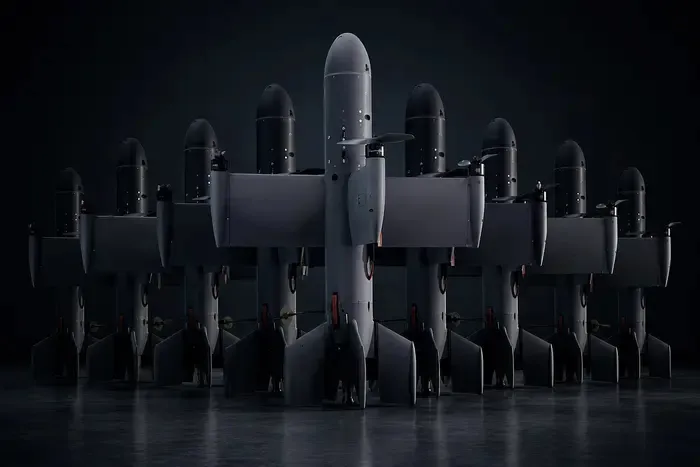
Ukraine is actively developing autonomous guidance systems for interceptor drones, enabling them to independently track and destroy enemy "Shaheds" after the operator confirms the target. The technology is already being used in combat and is gradually approaching full autonomy. This was reported by Defender Media.
Ukrainian defense developers are moving to a new stage in the fight against aerial targets, creating systems that allow interceptor drones not only to carry out the operator’s commands but to actually complete the mission on their own after initial target confirmation.
This involves homing technology, where the operator merely locks onto an enemy drone within the engagement zone, after which the system takes over tracking and destroying the target, while human intervention is minimized and may be limited to course correction or the final detonation command. As an example, a system developed by F-Drones is already in use, where the F7 LITAVR interceptor can be activated in combat conditions with a single “Intercept” command and then autonomously move toward the target at a distance of up to two kilometers, significantly reducing reaction time.
Another approach is demonstrated by the startup The Fourth Law, which has so far focused on the TFL Anti-Shahed machine vision system, which helps the operator locate the target more quickly, while full autonomy is viewed as the next stage of the technology’s development.
Dozens of Ukrainian teams are involved in developing such solutions, including SkyFall with its P1-SUN interceptor, DoD Solution, Trident Group, “General Chereshnya” with its Bullet drone, and the manufacturers of the Octopus system; overall, within Brave1’s Dataroom platform, the models are trained on a large dataset of combat data with various application scenarios.
Technical experts note that the main challenge with such systems lies in reaction speed and computational accuracy, as even a minimal delay of tens of milliseconds can result in a miss due to the high speed of approach to the target, while weather conditions and the limitations of thermal imaging cameras create additional difficulties.
As developers and military personnel explain, the key challenge remains not only the drone’s autonomy itself, but also the stage of target detection and engagement, which often determines the effectiveness of the entire interception; therefore, the systems are constantly being improved through the use of neural networks and computer vision.
As of May 15, 2026, 257 combat engagements were recorded on the front lines. Ukrainian defense forces continue to repel the Russian occupiers’ offensive, inflicting significant losses on the enemy.


