
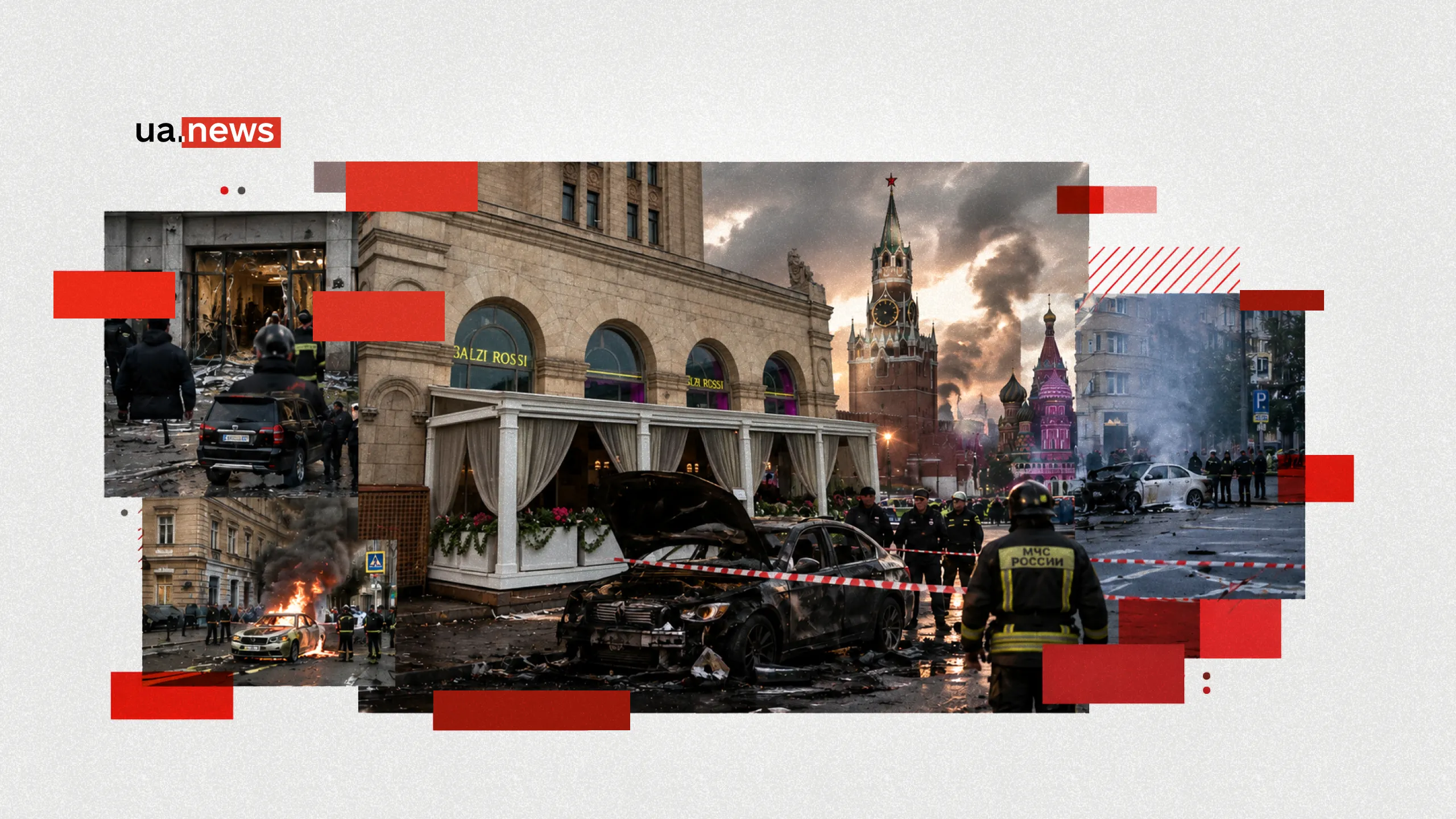
From Dugina to Chaika: The Most High-Profile Assassination Attempts on Russian Generals and Propagandists Behind Russian Lines
03 August 2026 19:30An explosion at the Balzi Rossi restaurant in Moscow, where Russian Air and Space Forces Commander-in-Chief Alexander Chaika was reportedly celebrating his birthday, has become one of the most high-profile incidents in the Russian capital since the start of the full-scale war.
If the theory that it was an assassination attempt is confirmed, it will mean that the campaign of attacks against Russian military personnel and propagandists is reaching a new level.
UA.News takes a look at the most high-profile assassination attempts behind Russian lines and why the lack of security guarantees—even in the center of Moscow—is fueling a standoff between the army and the security services in Russia.
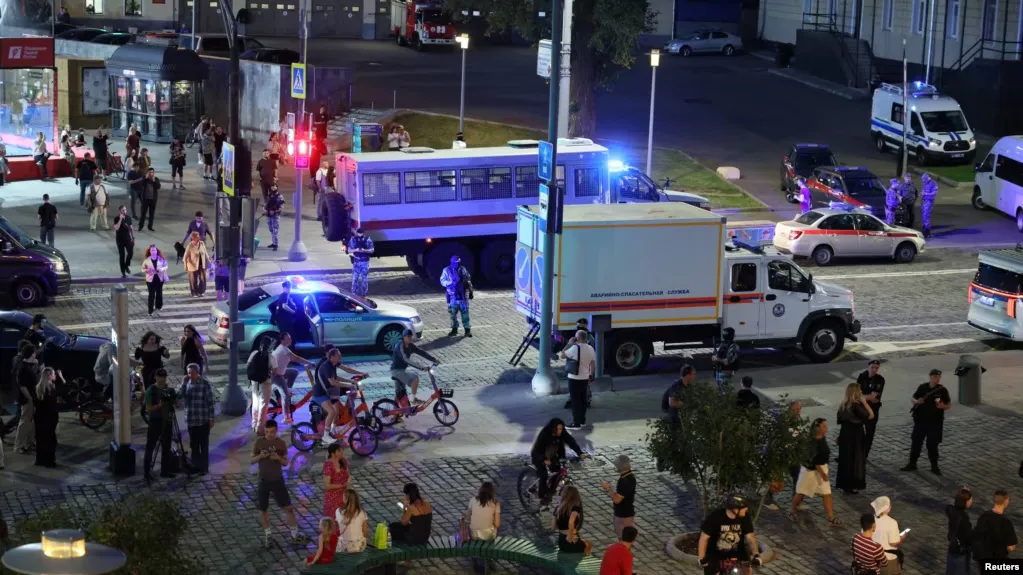
Explosion in Central Moscow: Assassination Attempt on Alexander Chaika
On August 1, 2026, an explosion rocked the Balzi Rossi restaurant on Kudrinskaya Square in Moscow. The likely target was Alexander Chaika, Commander-in-Chief of the Russian Aerospace Forces, whose 55th birthday was being celebrated at the restaurant. Five people were killed in the explosion, and about 15 others were injured.
Russian law enforcement agencies have refrained from making official statements about the incident, so it is unknown exactly who was killed or injured. At the same time, Telegram channels report that high-ranking officials from the Russian FSB and the Ministry of Defense, as well as lawmakers and government officials, had gathered for Chaiko’s anniversary celebration.
Investigators later reported that a homemade explosive device detonated near the restaurant’s entrance. A woman attempted to bring it into the building, but a security guard stopped her and decided to search her. An explosion then occurred, equivalent to one kilogram of TNT. The device itself was packed with shrapnel. The courier was likely unaware of the package’s contents. She was used “in the dark,” and the bomb itself was detonated remotely. It is also known that the explosive went off precisely at the moment when high-ranking officials from the Russian military command arrived at the banquet.
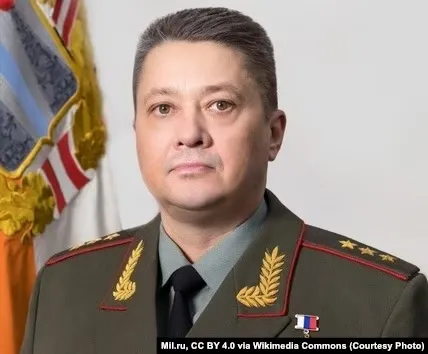
Since the start of the full-scale war, Alexander Chaiko has become one of the highest-ranking generals targeted for assassination on Russian territory. He has held the position of Commander-in-Chief of the Aerospace Forces since May 2026 and holds the title of “Hero of Russia”; prior to that, he commanded the Russian Federation’s offensive operation against Kyiv in 2022 and a military operation in Syria. Alexander Chaiko is accused of mass war crimes in Ukraine.
Although no deaths among the general staff were reported, Russian media speculated that the commander-in-chief’s daughter, Maria Chaika, may have been injured in the explosion. Major television networks reported on the incident in central Moscow as a minor event related to a gas explosion. They made no mention of the possibility that it was an assassination attempt on the general.

On the Road in the Moscow Region: The Murder of Daria Dugina
On August 20, 2022, in the Moscow region on Mozhaiskoye Highway near the village of Velikie Vyazemy, a Toyota Land Cruiser traveling from the “Tradition” festival exploded while in motion. Behind the wheel was 29-year-old Daria Dugina, the daughter of Alexander Dugin, a close associate of Putin and one of the main ideologists of the “Russian World.” Many experts speculated that Dugin himself might have been the intended target, but he switched to another car at the last moment.
According to the investigation, the explosives were planted under the car. In less than two days, the FSB announced that the crime had been solved. They blamed the attack on Ukrainian citizen Natalia Vovk and Ukraine’s intelligence services. Official Kyiv rejected these accusations.
At Daria Dugina’s funeral, LDPR Chairman Leonid Slutsky concluded his speech with the slogan: “One country, one president, one victory.” This was almost a verbatim reproduction of the slogan widespread in Nazi Germany: “One people, one Reich, one Führer.” This sparked a political scandal and also fueled alternative theories about internal strife within Russian security forces or the activities of an anti-Putin underground.
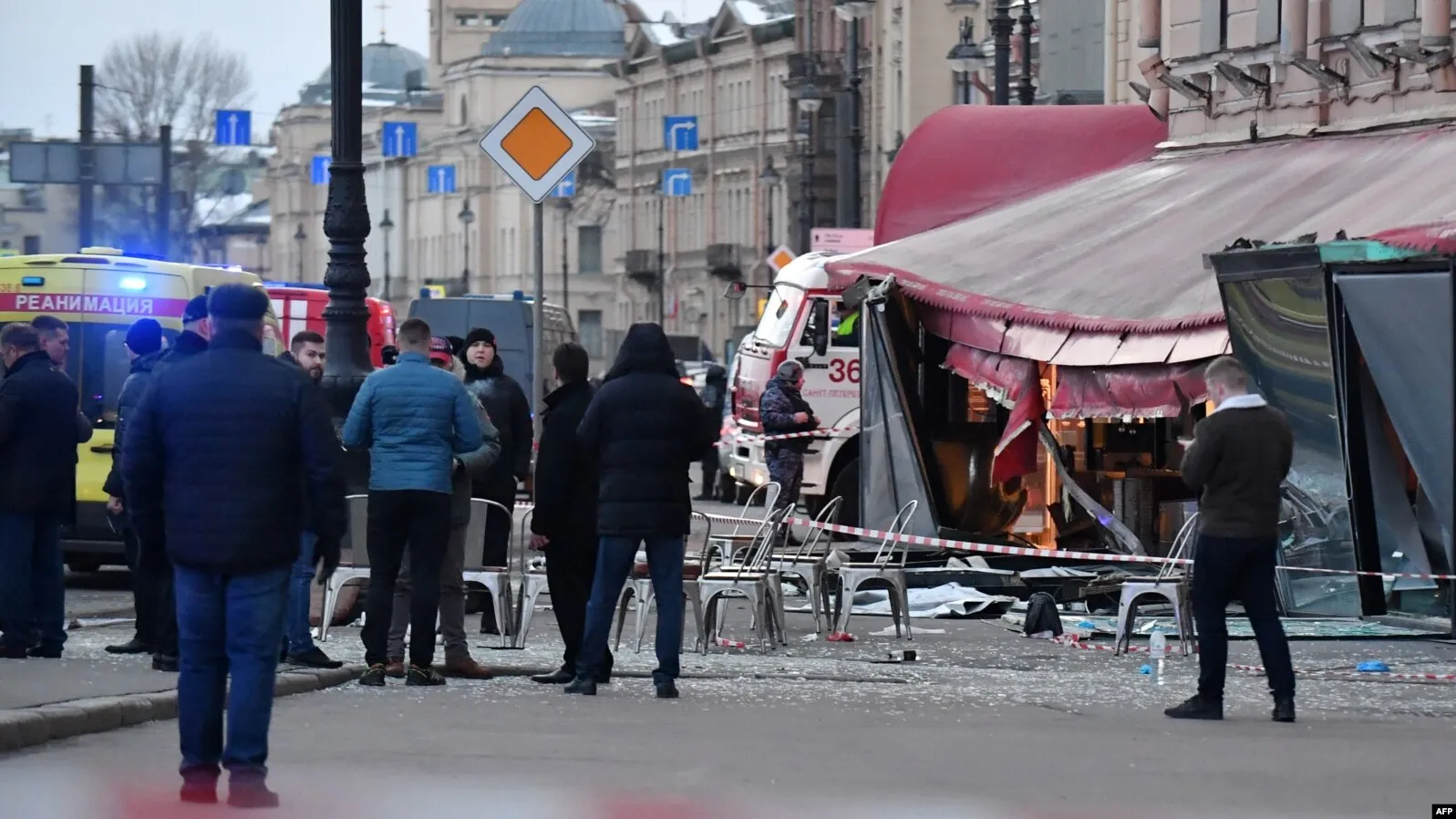
A Bust of
Himself Laden with Explosives: The Death of Vladlen Tatarsky
On April 2, 2023, in St. Petersburg, Vladlen Tatarsky (Maksim Fomin), a “LDNR” militant and propagandist from the inner circle of Yevgeny Prigozhin, founder of the Wagner Group, was killed in an explosion. During a “creative meeting” at a café, he was presented with a bust of himself, inside which an explosive device was hidden. The day before, Tatarsky had announced large-scale events in Russia and once again called for no restraint and for the destruction of Ukraine.
The very next day, and without any evidence, the Kremlin began blaming Ukrainian intelligence services for the murder of the “Z-correspondent.” Kyiv did not claim responsibility for the incident and responded that “the spiders are eating each other in the jar.”
A suspect, Daria Trepova, was detained and later sentenced in Russia to 27 years in prison.
Some Russian figures, including Yevgeny Prigozhin, did not rule out other possibilities, such as a struggle between radical groups within Russia.
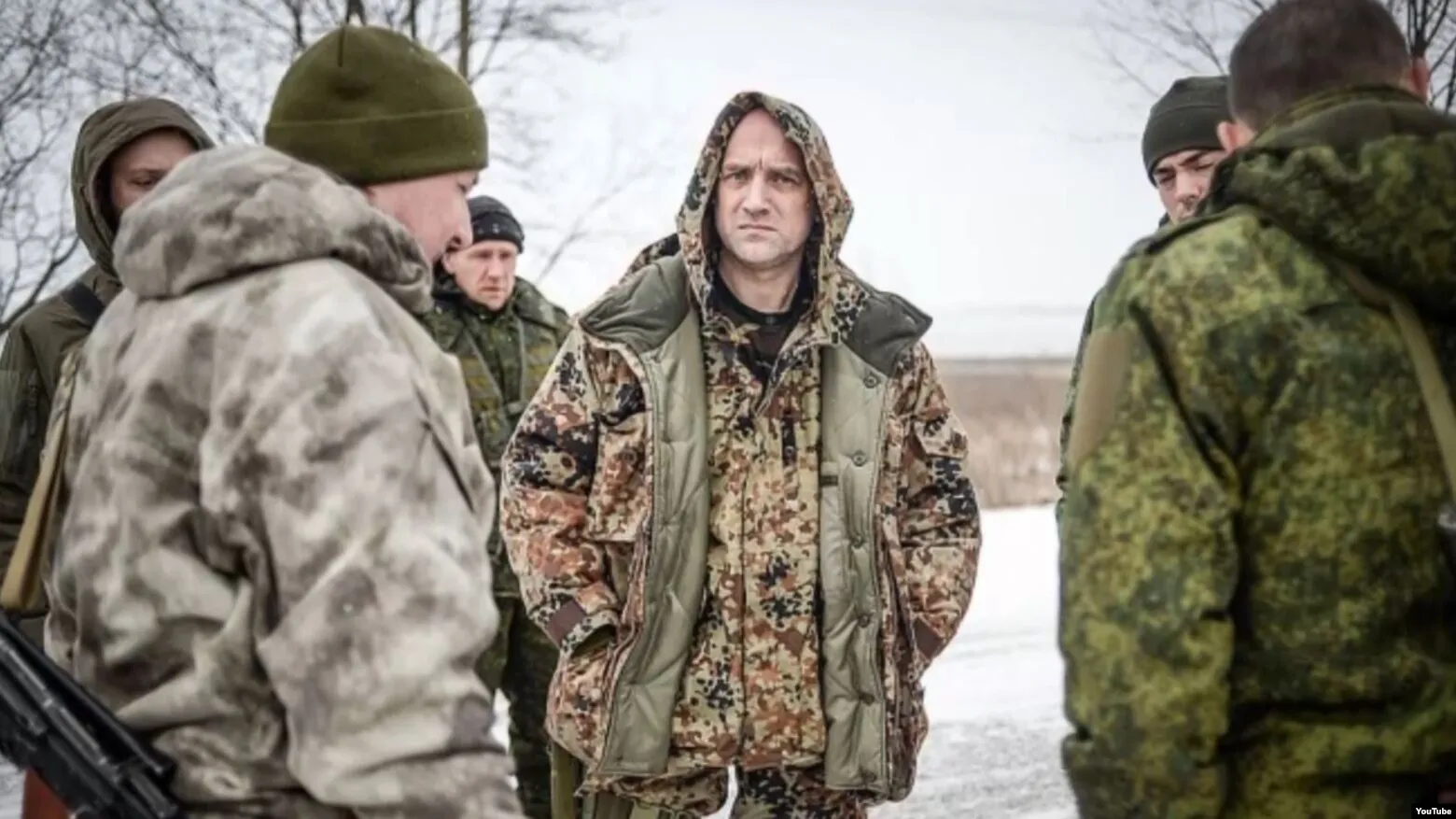
Car Overturned: Assassination Attempt on Prilepin
On May 6, 2023, in the Nizhny Novgorod region, the car of propagandist and militant Zakhar Prilepin was blown up by a landmine. In January 2023, he signed a contract with the Russian National Guard and went to the front lines in Ukraine as a mercenary. The assassination attempt occurred as the propagandist was returning from the combat zone. The explosion flipped his car and tore it in half. Prilepin suffered severe leg injuries but survived. His driver and bodyguard, Alexander Shubin, was killed.
The Russian Ministry of Internal Affairs classified the explosion as a “terrorist attack” and reported the arrest of the perpetrator—Alexander Permyakov, a native of the Donetsk region, who was allegedly recruited by Ukrainian intelligence services. According to Russian media reports, Permyakov had previously fought as part of Donetsk militant groups. He was sentenced to life in prison.
The “Atesh” partisan movement officially claimed responsibility for the assassination attempt on Zakhar Prilepin. The group called the propagandist one of the main ideologues of the “Russian World” and the culprit behind the outbreak of the war.
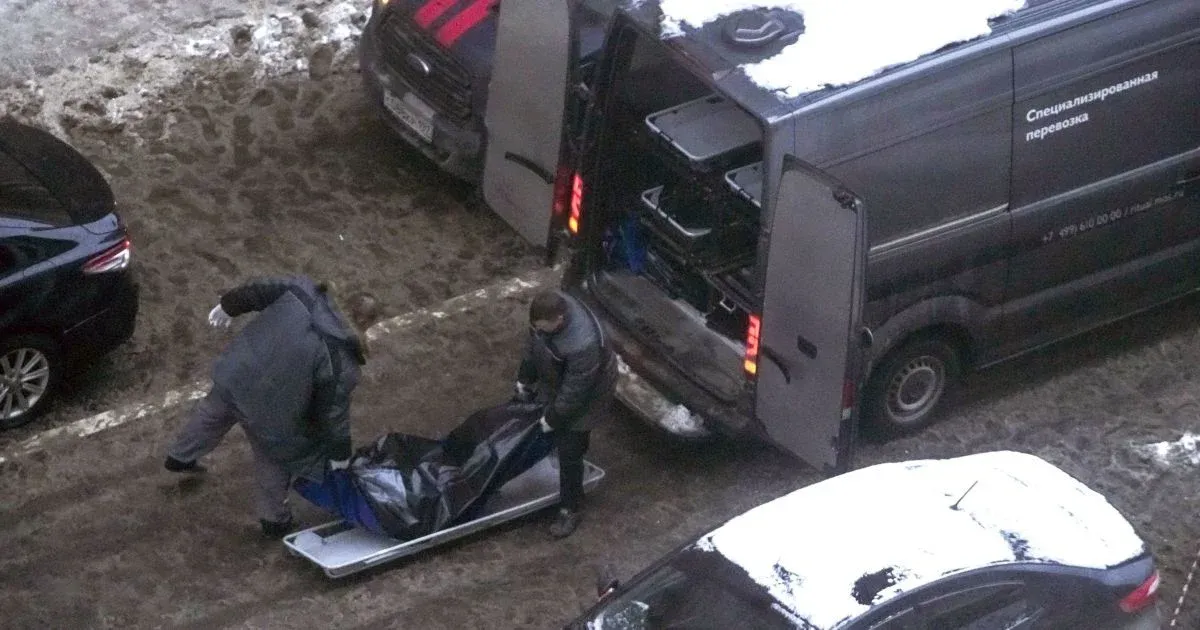
Explosives in a Scooter: The Killing of Igor Kirilov
On December 17, 2024, on Ryazansky Prospekt in Moscow, near his home, Lieutenant General Igor Kirilov, commander of the Russian Federation’s Radiological, Chemical, and Biological Defense Forces, and his assistant were killed. The explosives were hidden in an electric scooter and detonated as they were entering the building’s entrance.
“Kirilov was a war criminal and a completely legitimate target, as he gave orders to use prohibited chemical weapons against Ukrainian troops,” the Security Service of Ukraine (SBU) commented on the explosion.
Earlier, Ukraine’s Western allies had concluded that the occupiers had used the toxic substance chloropicrin against Ukrainian troops on the eastern and southern fronts. Igor Kirilov was responsible for the orders to use this chemical weapon.
Russia’s FSB reported the arrest of the alleged perpetrator of the Russian general’s murder. He turned out to be a citizen of Uzbekistan whom Russian intelligence agencies accused of having ties to Ukraine.
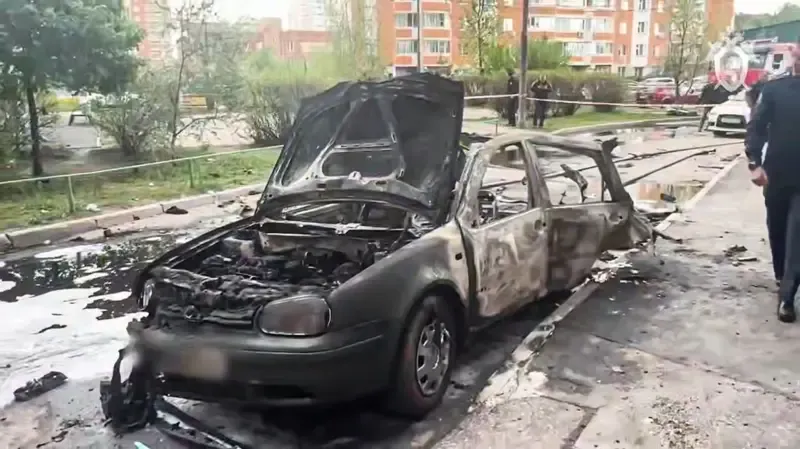
Explosion in Balashikha: The Death of Yaroslav Moskalyk
On April 25, 2025, in Balashikha, a suburb of Moscow, a Volkswagen Golf exploded while Lieutenant General Yaroslav Moskalyk, deputy chief of the Main Operational Directorate of the General Staff of the Russian Federation, was inside. According to the investigation, a homemade explosive device detonated.
The FSB announced the arrest of a suspect and blamed Ukrainian intelligence services.
Moskalik’s death caused a stir among the Russian command, as although he was the tenth general killed since the start of Russia’s invasion of Ukraine, he was the first to be killed behind the lines. Previously, Russian commanders had mostly been killed in the immediate vicinity of the front lines. This was because, at the start of the invasion, they were stationed directly on the front lines, attempting to expedite decision-making. As the war unfolded, Russian generals also began to be killed by precision strikes from long-range artillery—weapons Ukraine received from its allies.
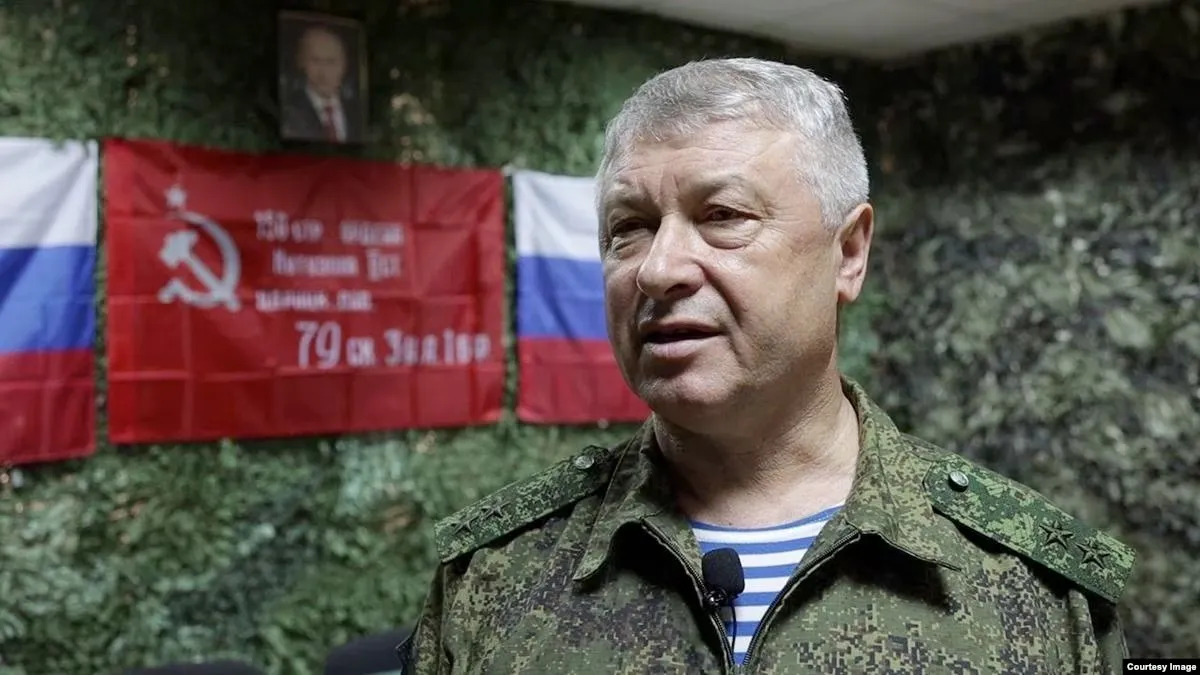
Another Target: Vladimir Alekseev
On February 6, 2026, in Moscow, an unknown assailant attempted to shoot Vladimir Alekseyev, deputy chief of the Main Directorate of the General Staff (GRU) of the Russian Ministry of Defense. He survived but was in critical condition in intensive care. The Investigative Committee of the Russian Federation blamed the Ukrainian Security Service for the assassination attempt and stated that two suspects had been detained, both of whom confessed to the crime.
Vladimir Alekseev was responsible for preparing intelligence for strikes on civilian targets in Ukraine, as well as for organizing the so-called referendum in the Kherson region. In May 2022, it was Alekseyev who served as the senior representative of the Russian side during negotiations in Mariupol as the garrison withdrew from the Azovstal plant.
At the same time, Western media reported that the assassination attempt on Alekseev could have been orchestrated by the Russians themselves, as he was involved in suppressing Yevgeny Prigozhin’s mutiny.
Assassination
Attempts Behind the Lines: The Fear of Russian Security Officials and Military Personnel
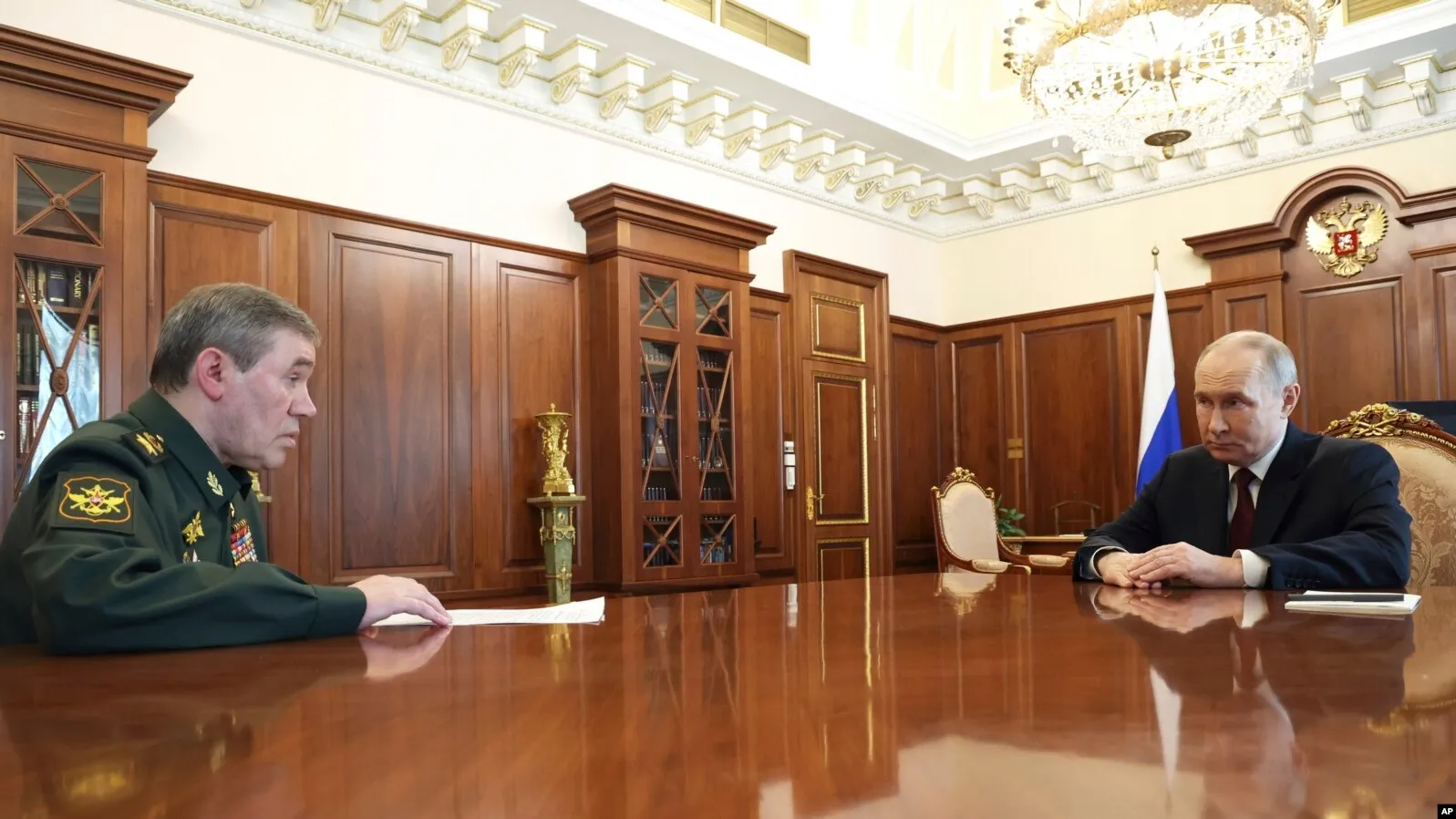
Since 2024, high-ranking Russian officers have been targeted so frequently by planned assassination attempts behind enemy lines that it has sparked a conflict among representatives of Russia’s security agencies. In December 2025, Russian media reported that Chief of the General Staff Valery Gerasimov, FSB Director Alexander Bortnikov, and Rosgvardia Chief Viktor Zolotov had a heated argument during a security meeting.
The heads of the security agencies blamed each other for the failures of the security system. At the same time, military officials criticized the security service officers for their inability to detect and prevent planned attacks. They also complained about a shortage of security personnel to physically protect officers behind the front lines. The security services explained that, due to a lack of resources, it is impossible to systematically prevent such attacks, even in Moscow.


