
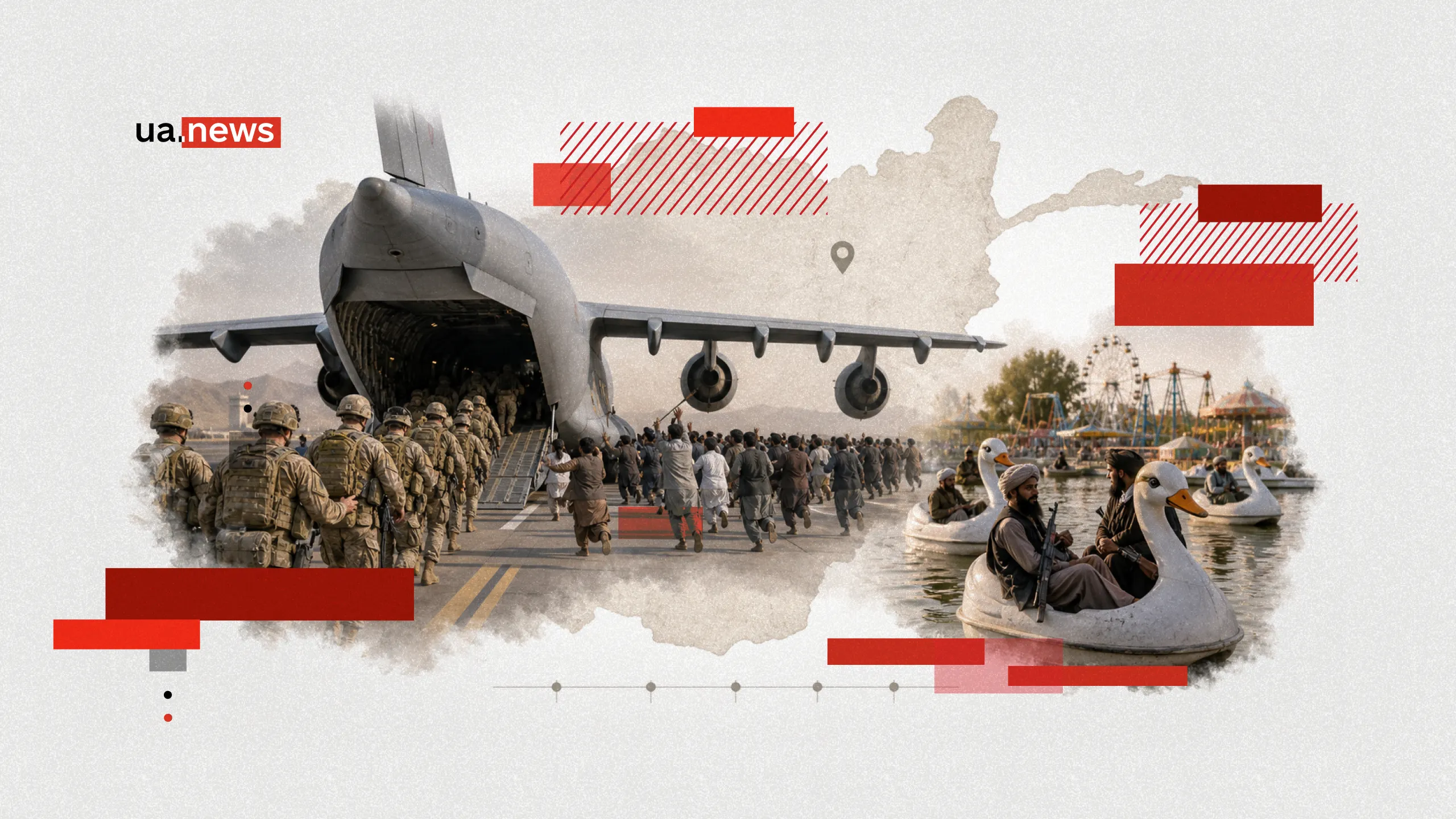
August 15 marks five years since militants from the radical Islamist Taliban movement seized Kabul and U.S. troops completed the most dramatic phase of their withdrawal from Afghanistan. Footage of the evacuation from Kabul Airport in August 2021 became a symbol not only of the end of the United States’ longest war, but also of the beginning of a new phase in global politics.
Five years later, Afghanistan has not become a completely isolated state. On the contrary, a new system of regional ties is taking shape around the Taliban regime. Russia officially recognized the regime in 2025; China maintains pragmatic relations with Kabul; and Iran, Pakistan, India, and the Central Asian states are establishing their own channels of communication.
UA.News reports on the consequences of the failed U.S. mission and life in Afghanistan under the Taliban government, which remains illegitimate in the eyes of the West but is expanding its diplomatic ties with countries in the region.
August
15, 2021—The End of the U.S. Mission in Afghanistan
Following the terrorist attacks on the United States on September 11, 2001, the U.S. and its allies launched a counterterrorism operation in Afghanistan. They succeeded in toppling the Taliban regime, which had provided sanctuary to al-Qaeda. However, over the next two decades, Washington failed to establish an Afghan state capable of independently sustaining its own political system and security.
In April 2021, the administration of then-President Joe Biden announced the withdrawal of all U.S. troops from Afghanistan by September 11, 2021.
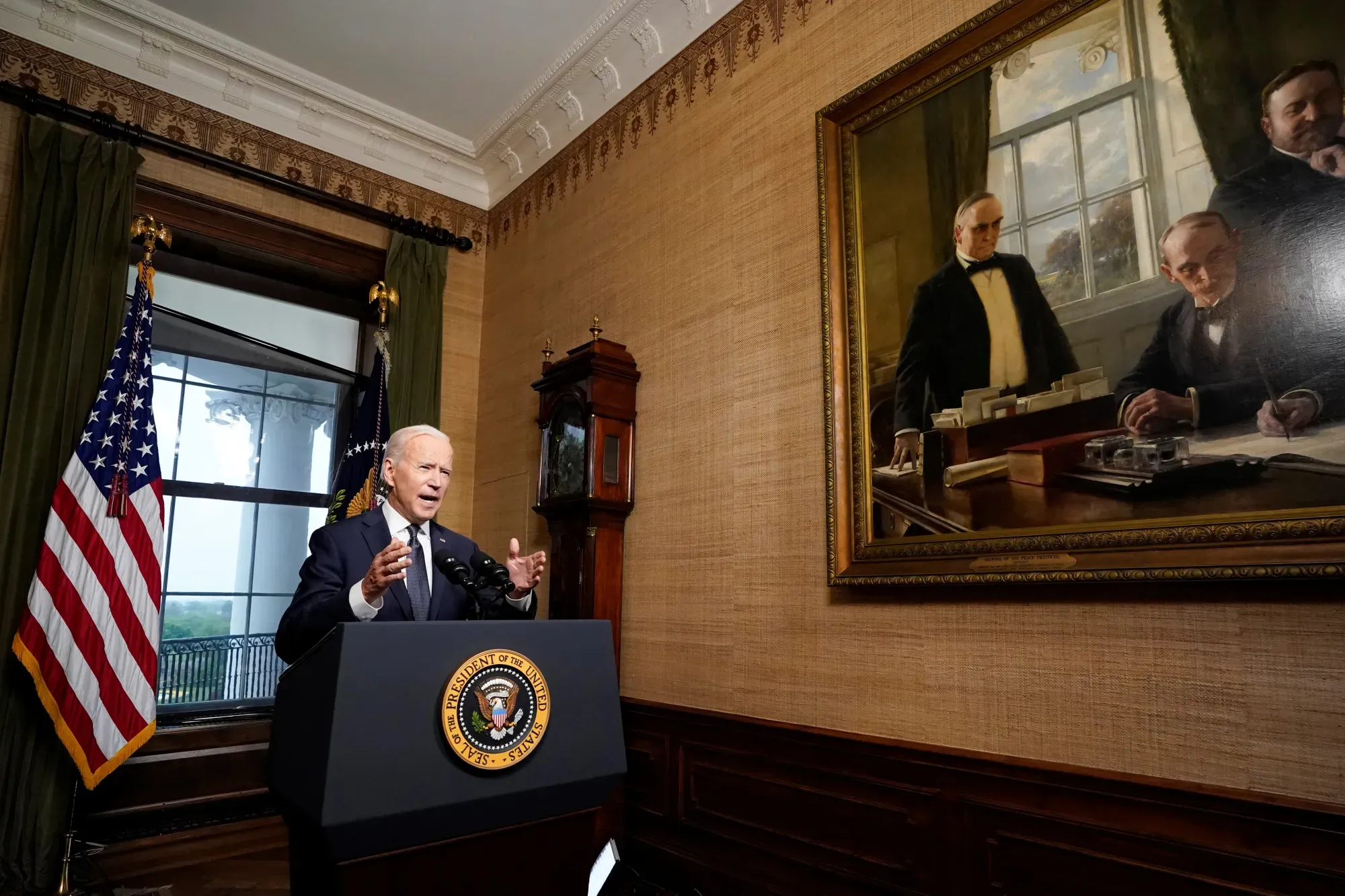
Even before the withdrawal of U.S. forces was complete,
the Brookings Institution warned that the prolonged U.S. presence alone would not alter the fundamental military and political dynamics in Afghanistan.
“The administration correctly assessed that the continued U.S. military presence in Afghanistan had become a strategic burden and a wasted investment that had lost the ability to change the country’s fundamental political and military processes,” the center’s conclusions stated.
At the same time, military analysts emphasized that the manner of withdrawal could seriously damage allies’ trust in Washington. That is exactly what happened—the withdrawal of the Western coalition’s military contingent was chaotic. Meanwhile, the Taliban seized control of territories so rapidly that it shocked Western military strategists.
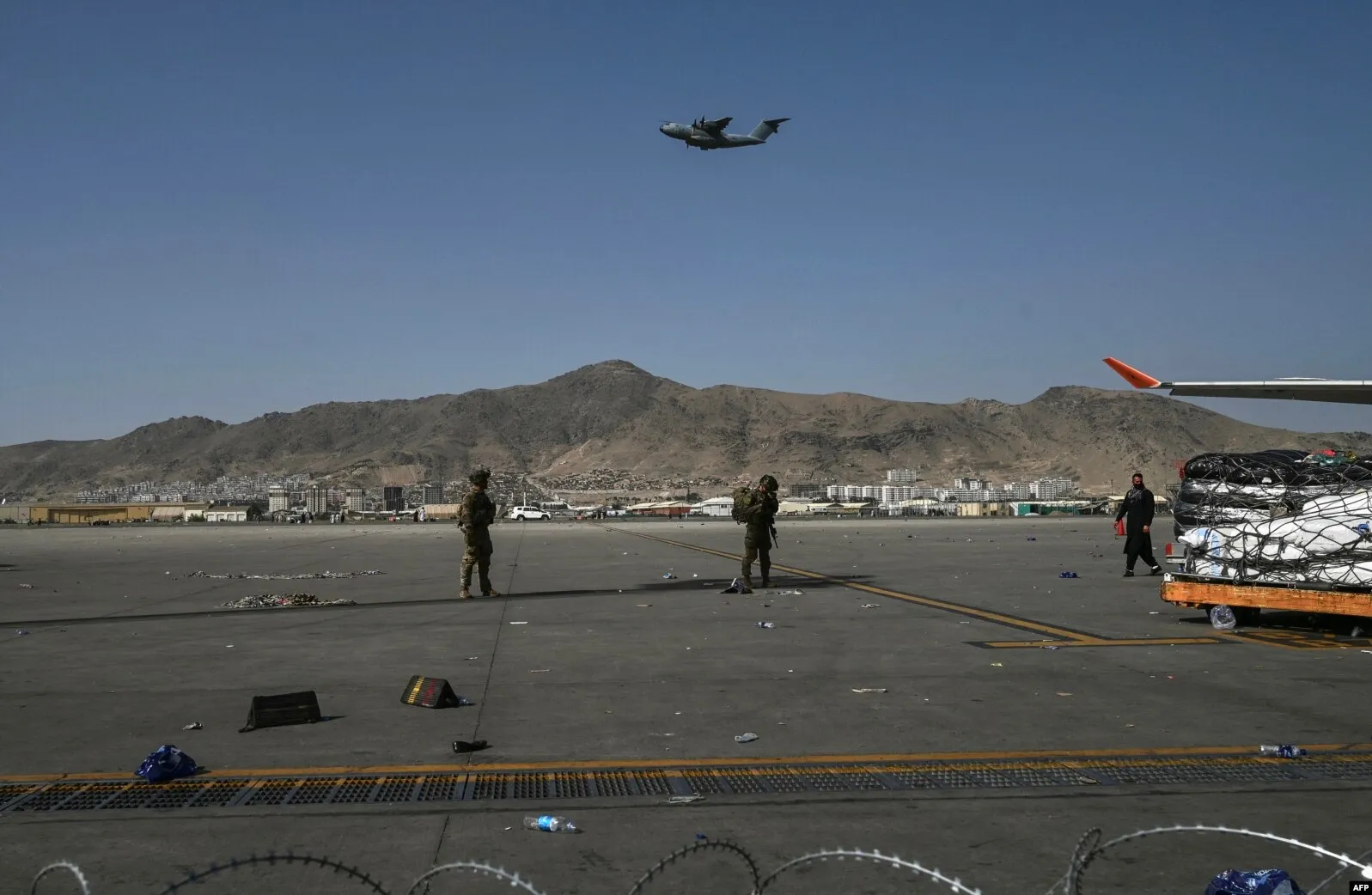
Kabul became the last major city in Afghanistan to fall to the militants on August 15, 2021. Afghan President Ashraf Ghani fled the country. Thousands of people rushed to the local airport, which was held by U.S. troops to facilitate the evacuation of foreigners and Afghans who had collaborated with Western governments.
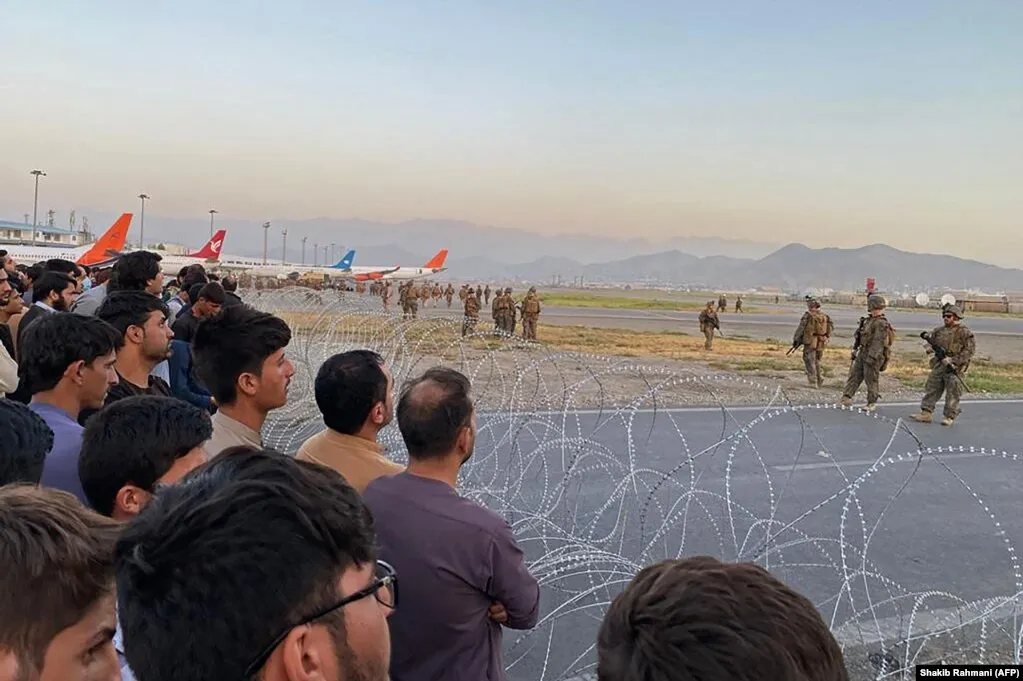
As a massive crowd surrounded Kabul Airport, U.S. troops fired into the air to disperse those trying to force their way onto the planes.
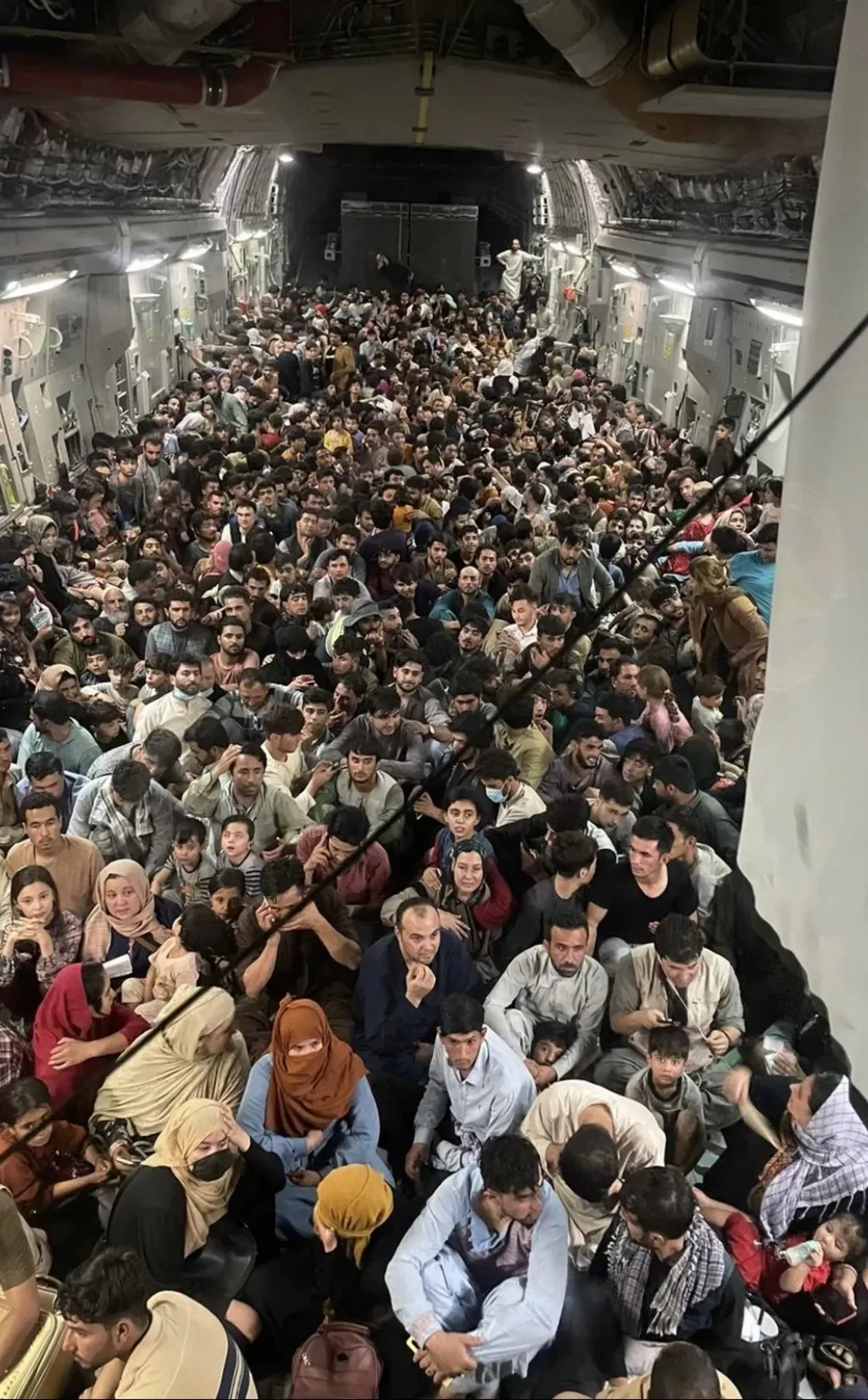
Many video
clips also showed people clinging to the side of the plane as it began to taxi down the runway, only to eventually fall.
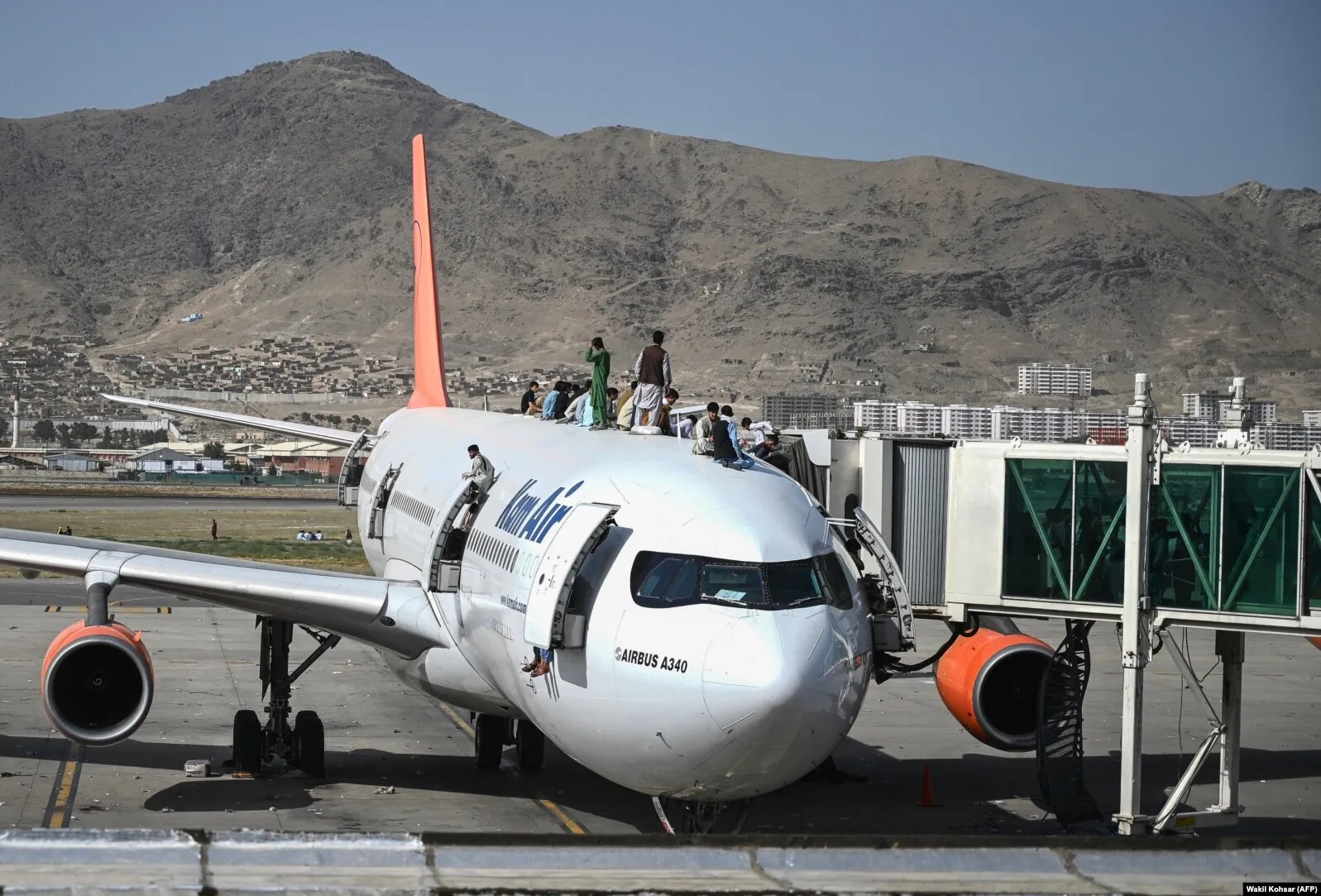
U.S
. troops were leaving a country that Washington had supported for two decades. At the same time, the Afghan army—on which the U.S. had spent enormous resources—effectively collapsed in a matter of weeks.
The U.S. Revealed the Limits of Its Security Guarantees
The winding down of the U.S. mission in Afghanistan had implications far beyond South Asia. For European allies, it served as a reminder of NATO’s dependence on American military infrastructure—intelligence, aviation, logistics, and strategic planning. This lesson is particularly important following the outbreak of Russia’s full-scale war against Ukraine.
Afghanistan demonstrated two things at once:
The U.S. remains the West’s indispensable military hub.
European nations cannot base their security on the assumption that U.S. forces will always be available in any theater.
It was precisely after Kabul that European countries began to speak much more seriously about strategic autonomy, defense capabilities, and the need to increase military budgets.
For Ukraine, this lesson has been particularly important: U.S. support is critically necessary, but no country can build a long-term strategy based on the assumption that Washington’s political course will remain unchanged for decades.
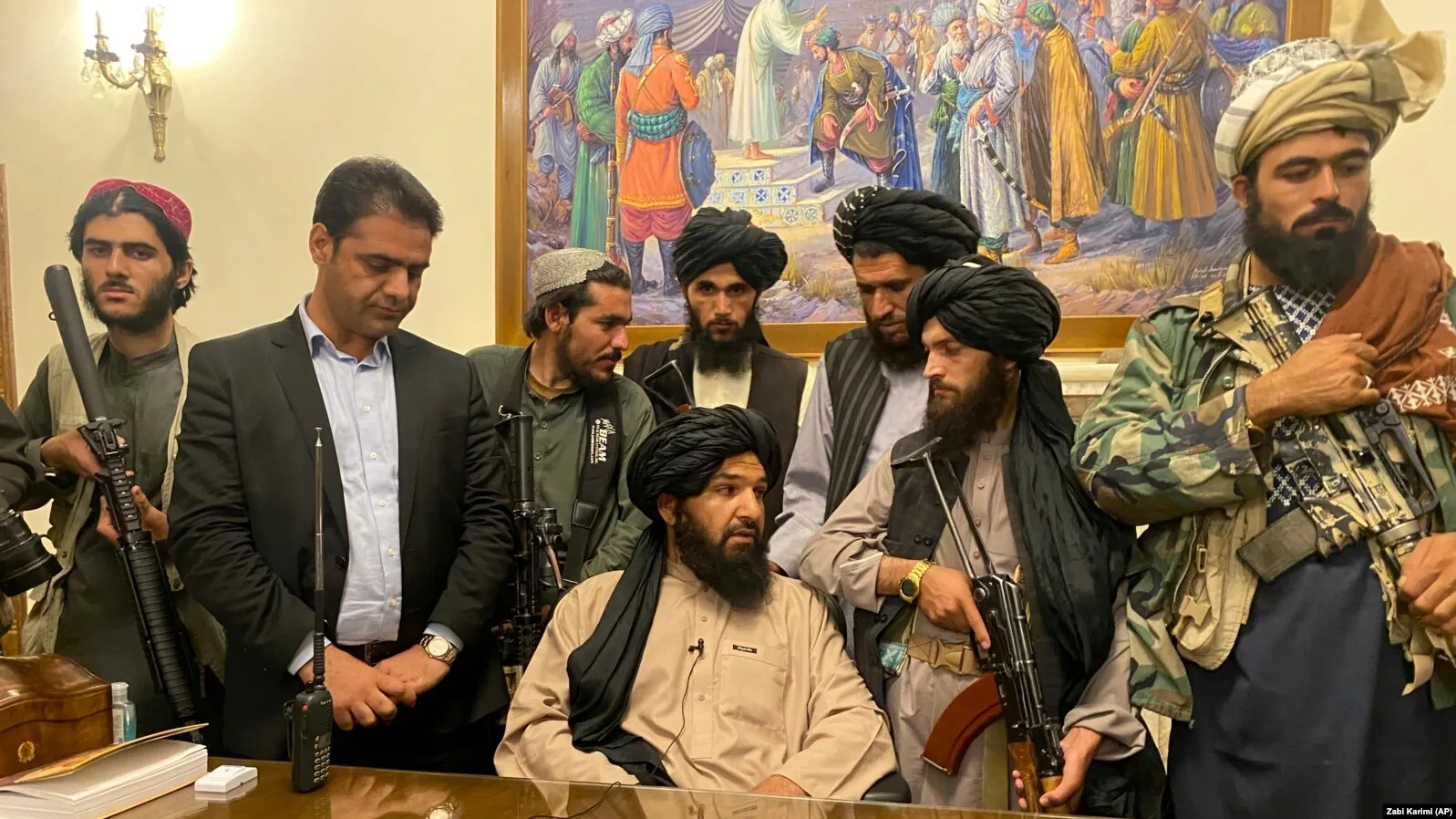
Afghanistan as a Signal to China and Russia
Regional powers began to fill the vacuum created by the U.S. withdrawal in 2021. China took the most pragmatic approach, establishing quasi-diplomatic relations with the Taliban government and sending its ambassador there. Accordingly, the Taliban ambassador was received in Beijing.
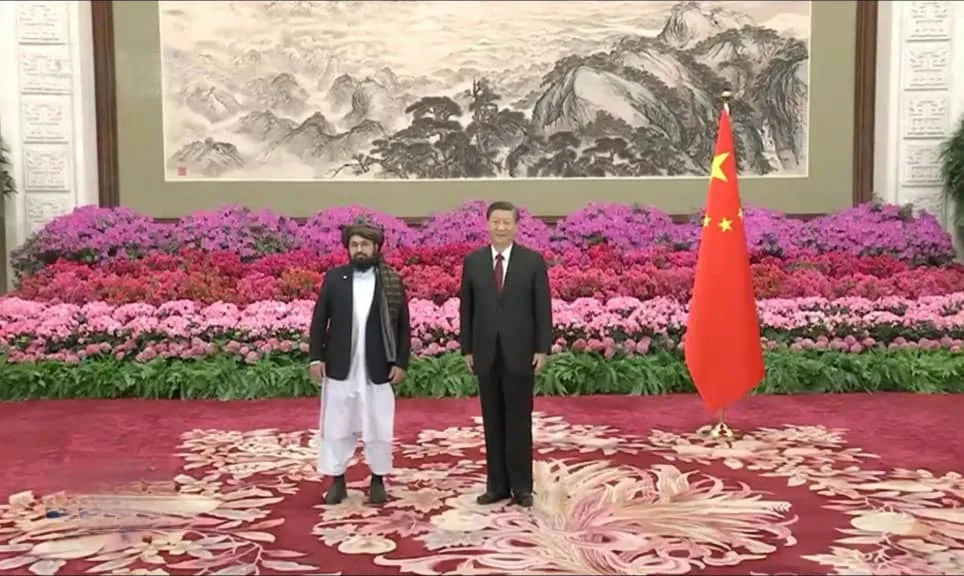
Beijing did not repeat the American experiment with a large-scale military presence. Its model is different: diplomatic contact, economic agreements, access to resources, and, at the same time, control over security risks. China has signed several agreements with the Taliban regarding oil production and other resource projects. In January 2023, the signed a 25-year contract worth $540 million with the Chinese company Xinjiang Central Asia Petroleum and Gas Co (CAPEIC) for oil production in the Amu Darya basin in northern Afghanistan. However, in June 2025, the Taliban officially canceled this agreement due to the company’s failure to meet its investment obligations.
For Beijing, Afghanistan is significant not only for its mineral resources but also for its geography—the country is located at the crossroads of Central and South Asia. However, China’s investment plans are hampered by many factors: Afghanistan’s weak infrastructure, sanctions, lack of funding, and security risks make economic expansion highly risky.
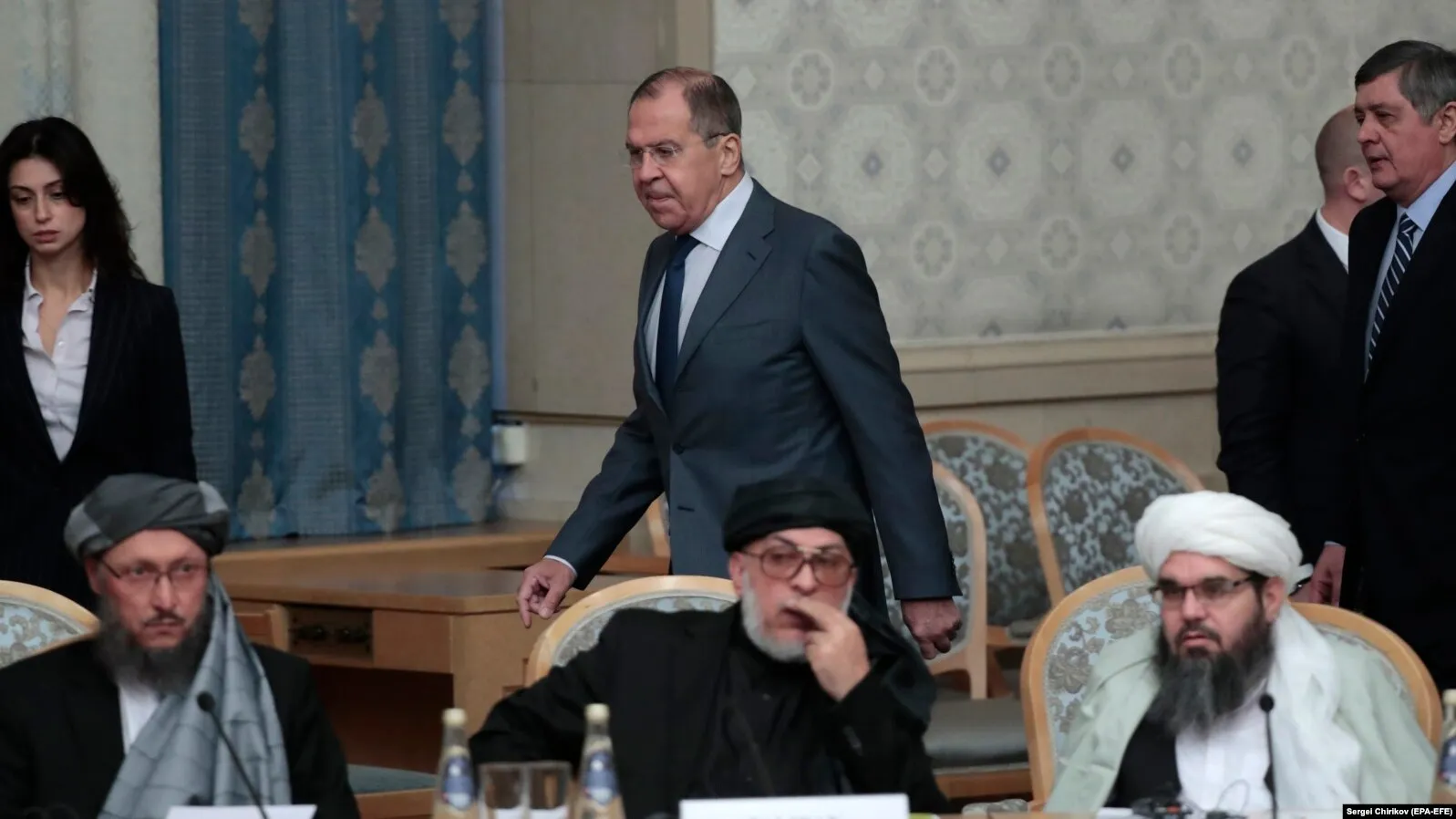
Russia became the first country to officially recognize the Taliban government. Russian dictator Putin has publicly referred to the Taliban as “allies in the fight against terrorism,” even though this radical Islamist movement was previously officially designated as a banned terrorist organization in Russia.
At the same time,
Moscow is expanding trade with Kabul. Since 2022, Afghanistan has been importing gas, oil, and wheat from Russia. The Taliban have also stated that they will increase purchases of Russian petroleum products and plastics, while expecting investments in transportation and extractive projects. The Kremlin’s primary interest lies in establishing transport corridors to India that will run through Turkmenistan, Iran, Afghanistan, and Pakistan.
A
Return to the
Islamic Middle Ages
The so-called Islamic Emirate of Afghanistan under Taliban rule is not officially recognized by any country in the world except Russia. The Taliban has virtually no domestic opposition. The regime pursues a harsh Islamist policy. Life in Afghanistan is governed by Sharia law, based on the texts of the Quran, which prescribe different roles and rights for men and women.
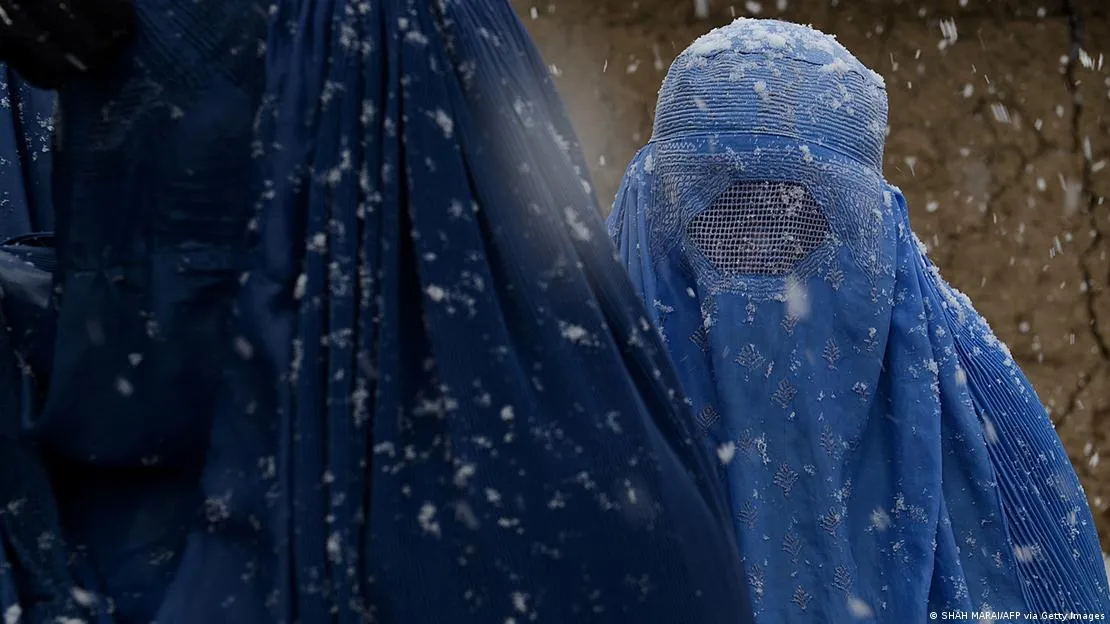
Women and girls are effectively excluded from many areas of public life: they are prohibited from attending universities, traveling long distances on their own, working for nongovernmental organizations, and going to gyms. In addition, women are required to wear the hijab in public places. A report by the international organization Human Rights Watch, published in February 2024, noted that the Taliban had created “the world’s most severe crisis of women’s rights.”
Afghanistan’s
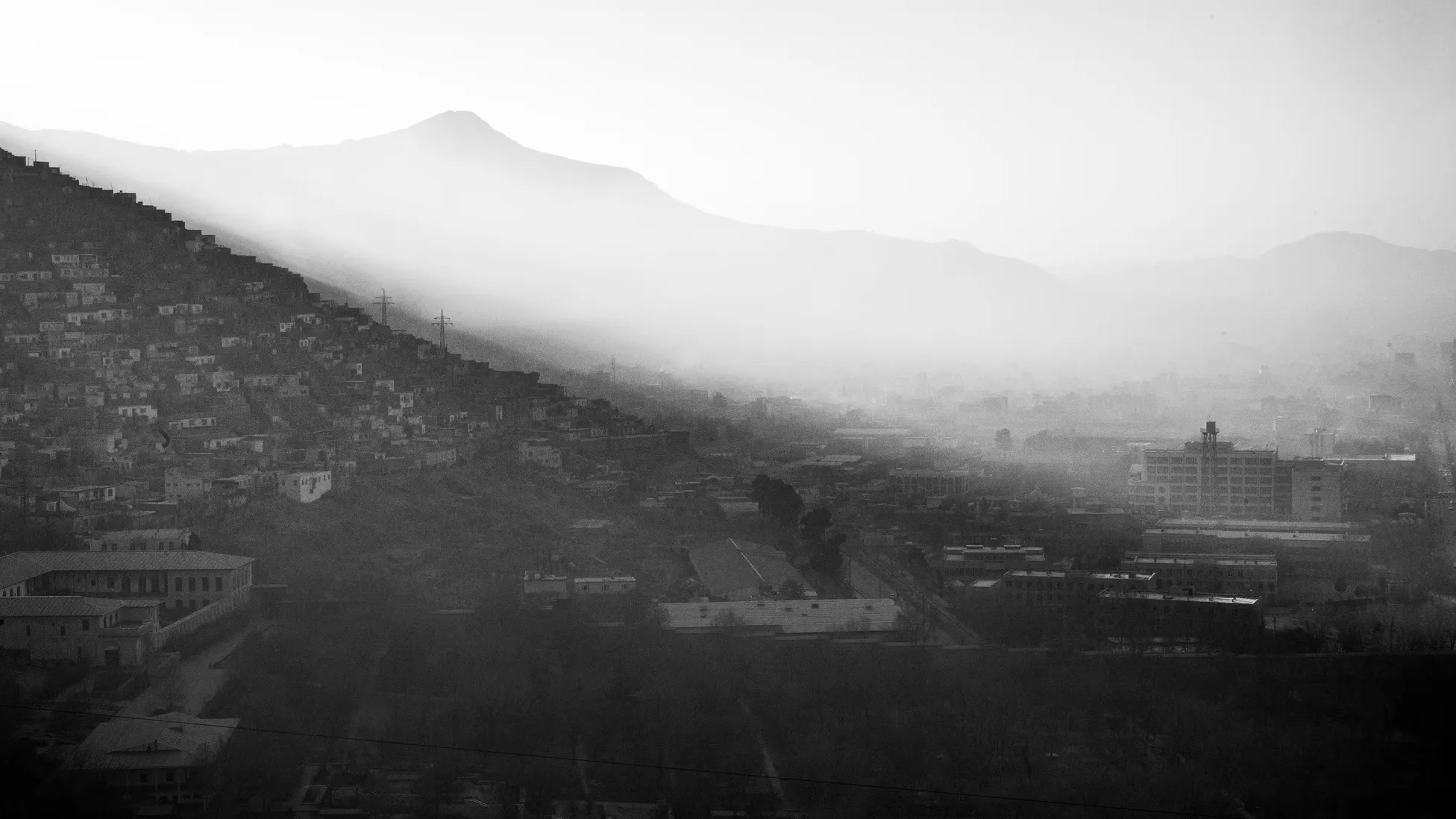
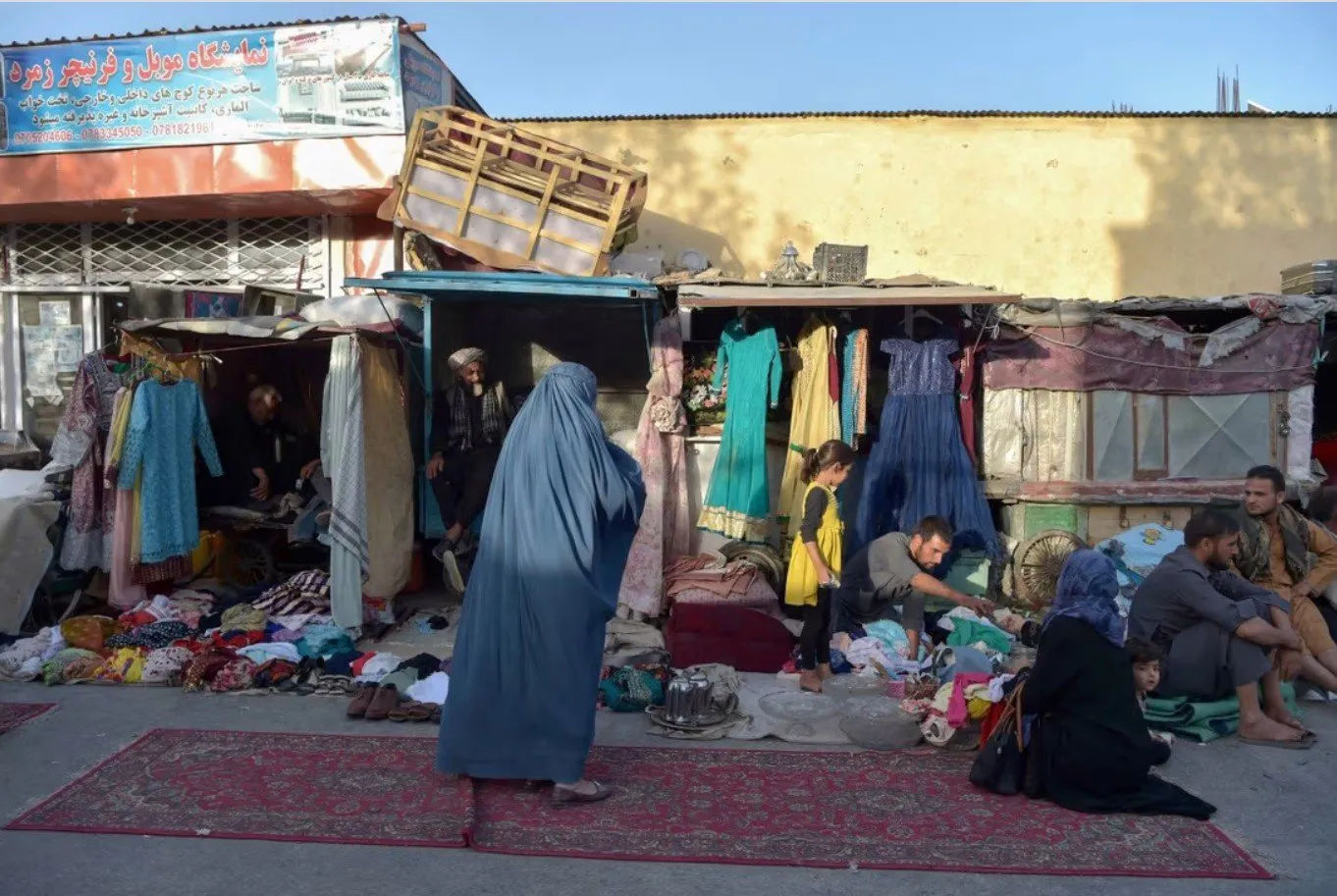
economy, which had already been in decline by 2021, suffered a devastating blow after the Taliban came to power. The International Committee of the Red Cross (ICRC) cited drought, natural disasters, the suspension of financial aid from international donors, and sanctions against Afghan banks as the causes of the worsening economic crisis in the country. In August 2021, the United States froze the Taliban regime’s access to $9.5 billion in Afghan assets. Furthermore, the emigration of the country’s best professionals plunged Afghanistan into a deep recession and widespread poverty. In 2023, Afghanistan’s unemployment rate reached its highest level in decades. According to the UN, more than half of Afghanistan’s population—nearly 24 million people—is in need of humanitarian aid.
During the Taliban’s five years in power, Afghanistan has transformed into an authoritarian Islamist state marked by repression and legalized public executions. According to Human Rights Watch, the Taliban is persecuting journalists and former government officials, even though the Taliban officially announced an amnesty for former civil servants who worked until 2021. Human rights activists claim that the Taliban are detaining, torturing, and even killing detained citizens.
In December 2022, Afghanistan carried out its first public execution based on the principle of retributive justice (qisas)—a man convicted of murder was shot by the father of his victim. Another public execution took place in February 2024 at a stadium in Shibarghan—a man convicted of murder was shot by the brother of the victim. And by 2025, according to UN human rights organizations, the Taliban had carried out at least six such public executions.
No
international isolation followed
In August 2021, the United States froze $9.5 billion in Afghan reserves held in U.S. bank accounts. The European Union also imposed sanctions against certain members of the Taliban government. However, international aid organizations opposed the continuation of large-scale sanctions pressure. They argue that tightening sanctions against the Taliban government has a “devastating impact on ordinary Afghans” and have called on the West to provide more humanitarian aid to Afghanistan.
In April 2022, the U.S. presidential administration issued a statement on providing humanitarian aid to Afghanistan, emphasizing that the country’s citizens should not suffer as a result of the sanctions.
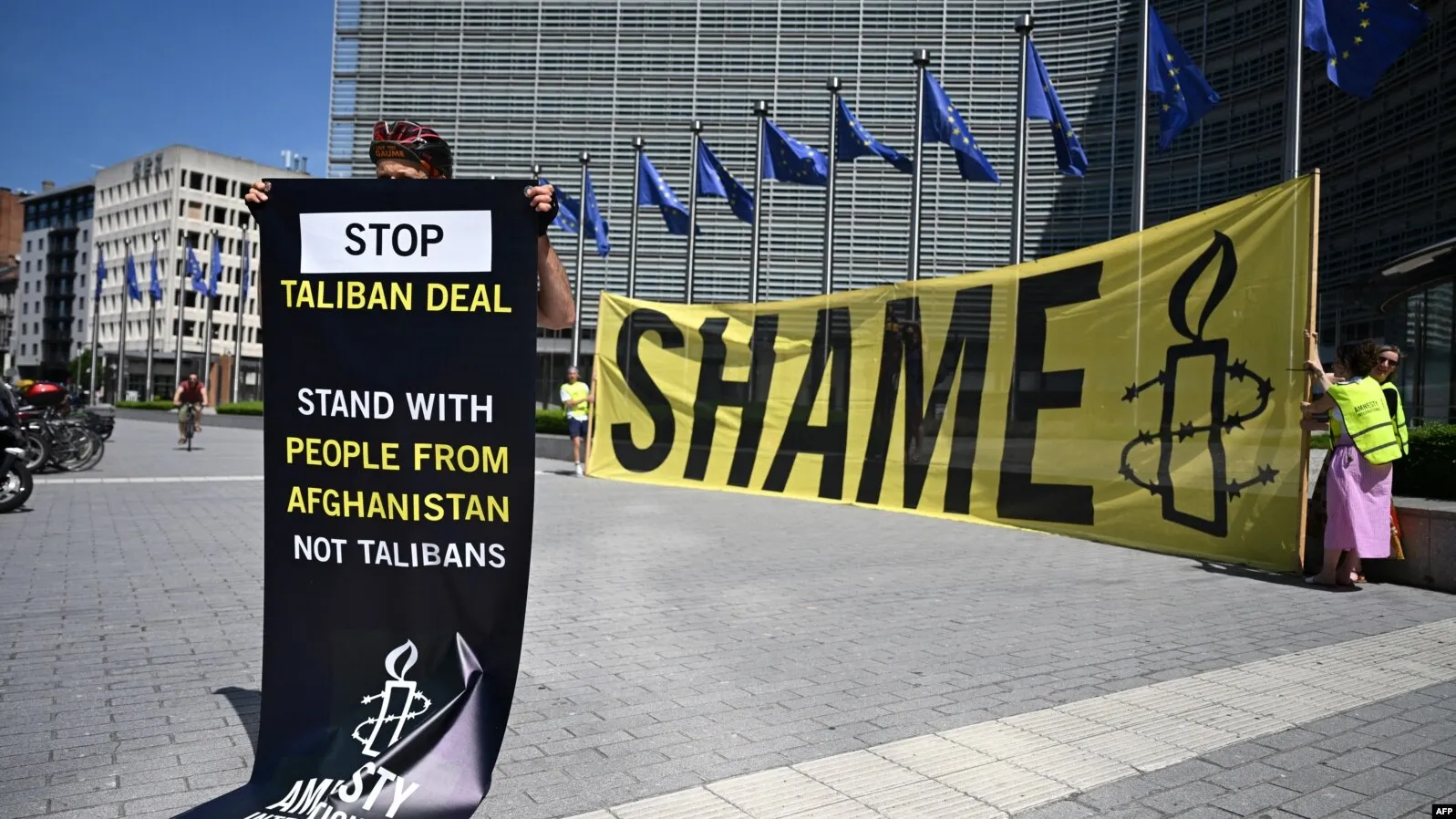
Although no EU or North American country has restored full diplomatic representation in Kabul or officially recognized the Taliban government, some European countries, notably Germany, maintain consular contacts, and the European Union has a delegation in the country. In addition, Bloomberg reported that a number of European countries are considering reopening their embassies in Afghanistan.
Meanwhile, Afghanistan is expanding its regional ties. In addition to Russia, which has officially recognized the Taliban government, the following countries maintain diplomatic contacts and working relationships with Kabul: China, Iran, Pakistan, India, the United Arab Emirates, Kazakhstan, Uzbekistan, and Turkmenistan. Thus, another geopolitical shift is taking place: Afghanistan is no longer exclusively an American or Western sphere of influence. This influence is now being shaped more actively by Moscow, Beijing, Tehran, Islamabad, New Delhi, and the Central Asian states.




