
Australia launches bird flu campaign — ABC News Australia
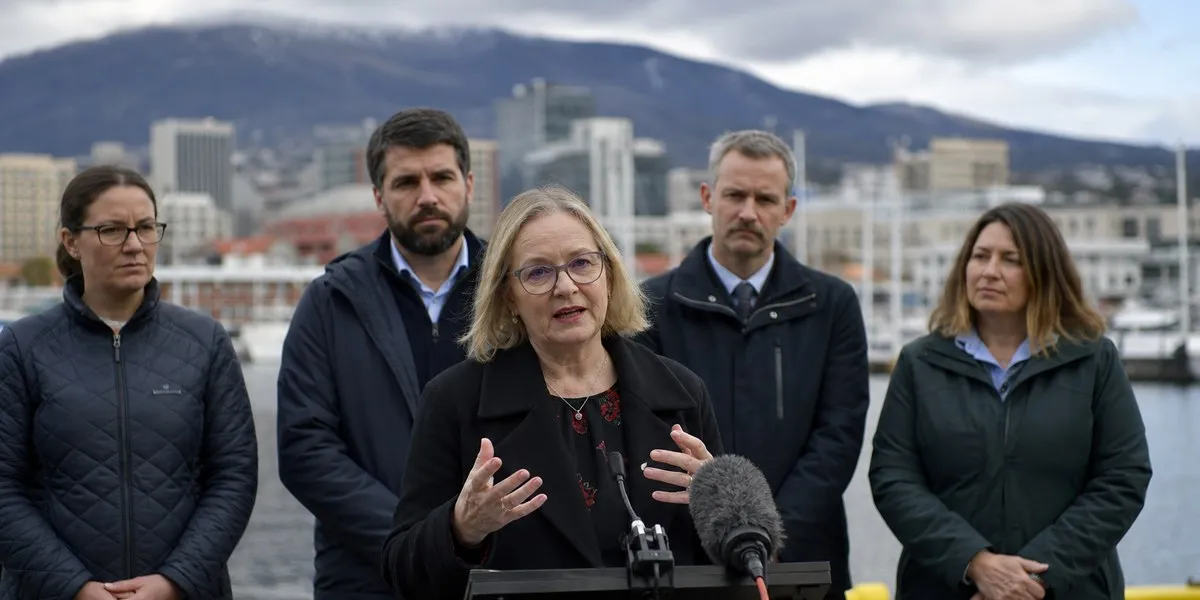
The Australian government has launched a nationwide information campaign, “Bird Flu — Know What to Do,” which will explain to people how to act if they find sick or dead birds. As ABC News Australia reports, the campaign will run for six weeks and be distributed through television, radio, social media and other channels.
Minister for Agriculture Julie Collins, who presented the initiative in Hobart, urged Australians not to touch sick or dead birds. She also advised reporting suspicious cases to the animal health emergency hotline via the birdflu.gov.au website.
652 registered incidents
Across the country, 652 bird flu incidents have been registered. The highest number, 319, was recorded in South Australia. Victoria registered 208 incidents, New South Wales 67, Tasmania 45, Western Australia 10, and Queensland two.
The campaign also includes practical recommendations for poultry owners in areas where local bird flu cases have been detected, as well as for people who may encounter dead birds while walking their dogs. University of Adelaide epidemiologist Adrian Esterman positively assessed the consistency of the campaign’s messaging, particularly the advice to avoid contact with dead birds and notify the relevant services.
More current news is available on the UA.News Telegram channel Telegram.
Vaccine for Australian sea lions
On the same day, South Australian Environment Minister Emily Bourke confirmed the state’s readiness to support trials of an experimental vaccine from the United States to protect Australian sea lions from bird flu. Federal government approval is required to import the drug.
In South Australia, five Australian sea lions tested positive for the virus. All cases were detected in colonies important for the species’ breeding on Kangaroo Island and the Pages Islands. The species is endangered.
According to Esterman, the U.S. experimental vaccine was developed on the basis of a drug for cattle and is linked to the H5N2 strain, which differs somewhat from H5N1. Trials on seals and sea lions showed an immune response, but there are no guarantees that marine mammals will be protected. The scientist noted that importing the drug would require regulatory procedures and consideration by animal ethics committees, which could take months.




