
World Bank forecasts Middle East GDP decline of 2.1% — The National
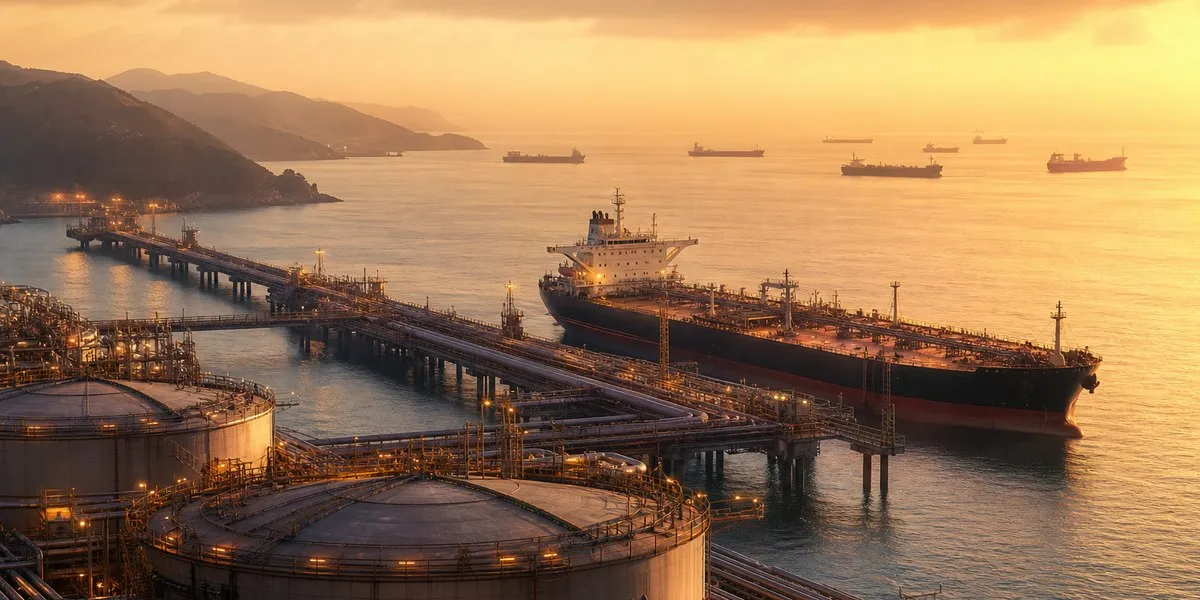
In the UAE, The National reported that the World Bank has downgraded its forecast for Middle Eastern economies: the region’s combined GDP is expected to shrink by 2.1% in 2026. The bank links the worsened outlook to the war, which is restricting energy supplies and affecting a number of industries.
According to the World Bank, the closure of the Strait of Hormuz initially significantly restricted the region’s energy supply. Tourism, aviation, logistics and financial markets have also been affected. Roberta Gatti, the World Bank’s chief economist for the Middle East, North Africa, Afghanistan and Pakistan region, said that losses from the conflict have been concentrated in this region, while forecasts for other parts of the world are improving.
Forecasts for Gulf countries
The economies of the Gulf Cooperation Council states are forecast to contract by an average of 4.3% in 2026. This is 5.7 percentage points lower than the April estimate. GDP in the UAE is expected to fall by 1.6%, and in Saudi Arabia by 2%.
Qatar is forecast to post the worst result: its economy may shrink by 20.9% after average monthly gas production fell by about 67% from March to July due to damage to production facilities. Kuwait is forecast to contract by 14.6%, Iraq by 12.4%, and Iran by 7.7%. Oman is the only Gulf Cooperation Council country that may maintain growth, at 3.1%.
More current news is available on the UA.News Telegram channel Telegram.
The World Bank noted that oil production in Gulf countries declined from the pre-war average of 26 million barrels per day to about 16 million barrels in March. According to the IMF’s PortWatch monitor, the seven-day rolling average as of September 27 was just three tankers passing through the Strait of Hormuz.
Possible recovery in 2027
The bank’s forecast is based on the assumption that the Strait of Hormuz will begin to gradually reopen from December 31. Under this scenario, UAE GDP could grow by 8% in 2027, Saudi Arabia’s by 6.1%, Qatar’s by 25%, Kuwait’s by 20.5%, and the Gulf Cooperation Council countries overall by 8.6%.
At the same time, oil-importing countries are expected to post better results, according to the World Bank. Egypt is forecast to grow by 5.1%, Morocco by 4.4%, Pakistan by 3.7%, and Jordan by 2.7%. Lebanon’s economy, on the contrary, may shrink by 6.4% due to the resumption of hostilities between Israel and Hezbollah.




