
Brisbane restricts use of smart glasses without consent in public pools
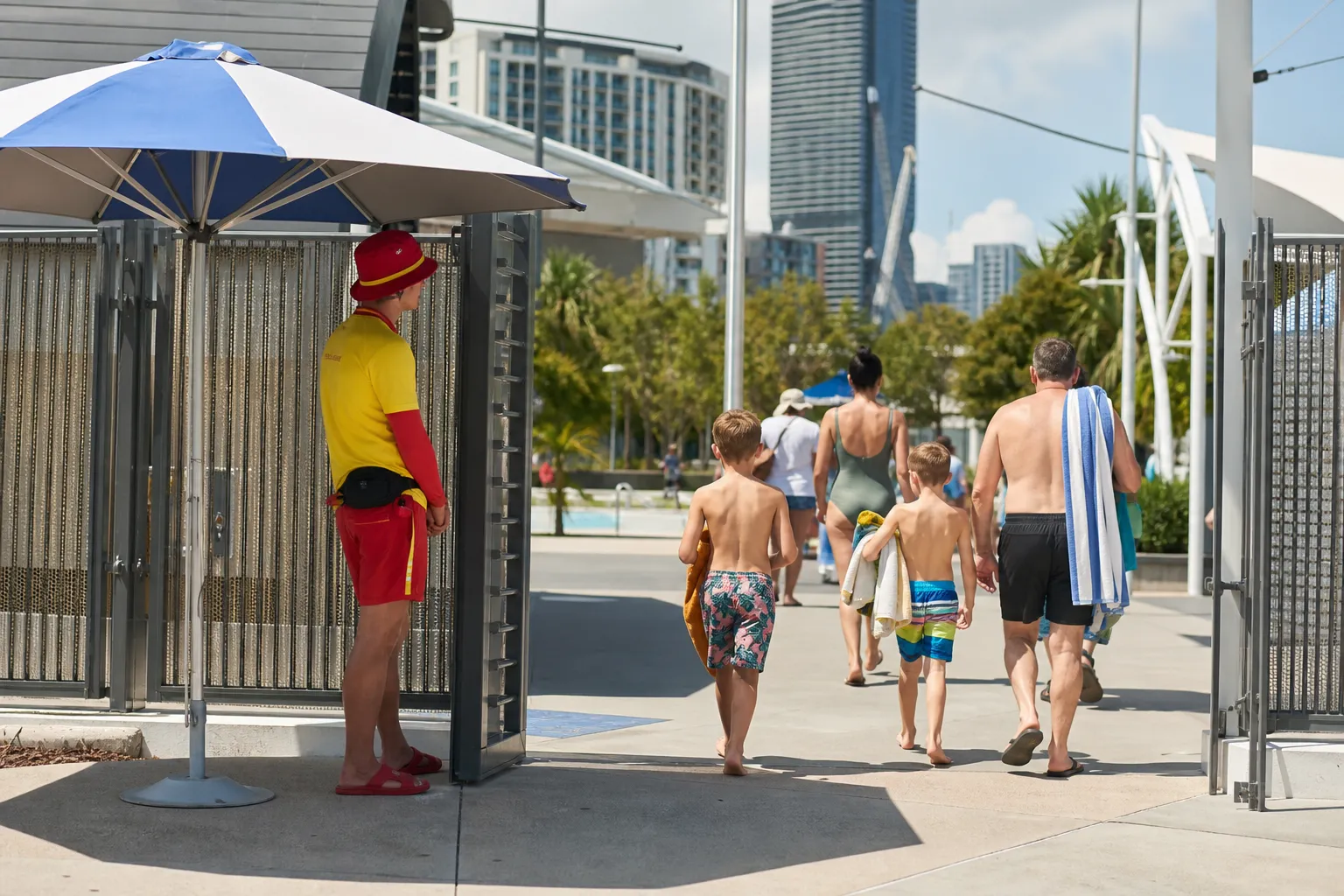
Brisbane City Council in Australia has banned the use of smart glasses without people's consent in public pools. The new rule also applies to all devices with cameras. Lifeguards may require visitors to leave the pool area if they violate this condition of entry.
As ABC News Australia reports, Brisbane Council became the first local council in the country to introduce such a restriction in public pools. Queensland state legislation already prohibits recording people without their consent in circumstances where a reasonable adult could reasonably expect privacy. This includes filming in pool changing rooms.
The need for broader regulation
Elizabeth Englezos, a lecturer at the Griffith University School of Law, described the council's approach as a way of using conditions of access to public space. At the same time, she said that regulation at the state or federal level is needed to counter abuses, as it is not always possible to determine whether a person is wearing glasses with a recording function.
More current news is available on the UA.News Telegram channel Telegram.
Australia's Office of the eSafety Commissioner recommended that manufacturers introduce automatic face blurring and clearer visual recording indicators. The agency said that harm from covert recording is already real and may become more complex through the combination of smart glasses with facial recognition, image recognition and generative artificial intelligence technologies.
Plans of other councils and a parliamentary initiative
Gold Coast Council plans to introduce a policy similar to Brisbane's model regarding Meta glasses. On the Sunshine Coast, pool operators independently set and enforce conditions of entry, including restrictions on filming without permission.
The Greens, with the support of independent MPs, intend to introduce a bill when parliament resumes sittings to suspend imports of wearable recording devices for at least 12 months. The document provides for amendments to the Privacy Act that would prohibit filming, storing or distributing recordings from such devices without a person's expressly stated consent. Australia's federal government rejected the idea of suspending imports, but Michelle Rowland said that the authorities do not rule out other measures.




