
Why is it difficult to combat the Ebola outbreak in the Congo, and what threat does it pose to the world?
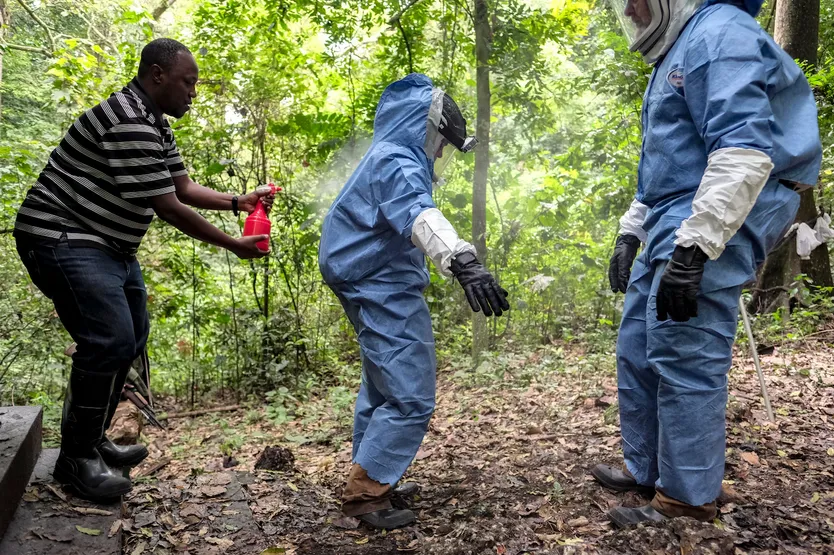
The rapid spread of Ebola in the Democratic Republic of the Congo has raised serious concerns at the WHO due to a combination of medical and logistical factors that make containing the outbreak extremely difficult.
This is reported by the BBC.
The main medical challenge is that the current outbreak is caused by the rare Bundibugyo strain, for which there are no certified vaccines or treatments, and initial tests yielded false-negative results. An additional barrier for doctors has been the civil war in the region, which has forced more than 250,000 people to flee their homes, making it impossible to trace the contacts of infected individuals and promptly isolate patients in mining towns.
The main threat to the world is currently localized on the African continent, where neighboring countries with close trade ties have been hit hard. Uganda has already confirmed its first cases of infection and one death, while Rwanda and South Sudan have been designated high-risk areas due to the high mobility of refugees from the DRC. Since health authorities were slow to respond during more than three weeks of the disease’s hidden spread, the actual scale of the epidemic may significantly exceed the official figures of 250 infected and 80 dead.
Although the WHO has declared the outbreak a public health emergency of international concern, the risk of a large-scale epidemic for European countries and the rest of the world remains negligible. The virus is not transmitted through airborne droplets and becomes contagious only after severe symptoms appear (extreme fever, vomiting, bleeding), which allows developed healthcare systems to quickly contain isolated cases. Success in overcoming the crisis at the epicenter now depends entirely on the ability of international missions to ensure the safe burial of the deceased and the identification of infected individuals amid armed conflict.
The Democratic Republic of the Congo has recorded its 17th Ebola outbreak, which has already claimed the lives of 80 people. This time, the disease was likely caused by the little-studied Bundibugyo ebolavirus strain, rather than the more common Zaire ebolavirus.
Ethiopia has recorded its first outbreak of the Marburg virus, which is clinically similar to Ebola. The pathogen is capable of spreading rapidly, but there are no vaccines against it.


