
Pakistan’s economy has stabilized, but growth remains at 3.5% — Dawn
In Pakistan, harsh economic measures have helped stabilize macroeconomic indicators, but economic growth has remained around 3.5% per year over the past decade. An analytical column by Dawn notes that the IMF forecasts the same rate for the 2026–2027 financial year. In the author’s view, the country needs nearly double-digit growth over several decades to significantly raise living standards.
Macroeconomic indicators
In the 2024–2025 financial year, Pakistan recorded a current account surplus. The author attributes this to import restrictions and a significant volume of remittances. According to data cited in the column, the budget deficit in the 2025–2026 financial year fell to a multi-year low of 2.6% of GDP.
Record-high inflation has declined to a more acceptable level, while the country’s sovereign credit rating has improved due to lower external risks. The author believes that the 3.5% growth forecast by the IMF for the 2026–2027 financial year will barely be enough to offset capital depreciation and population growth.
More current news is available on the UA.News Telegram channel Telegram.
A bet on industrialization
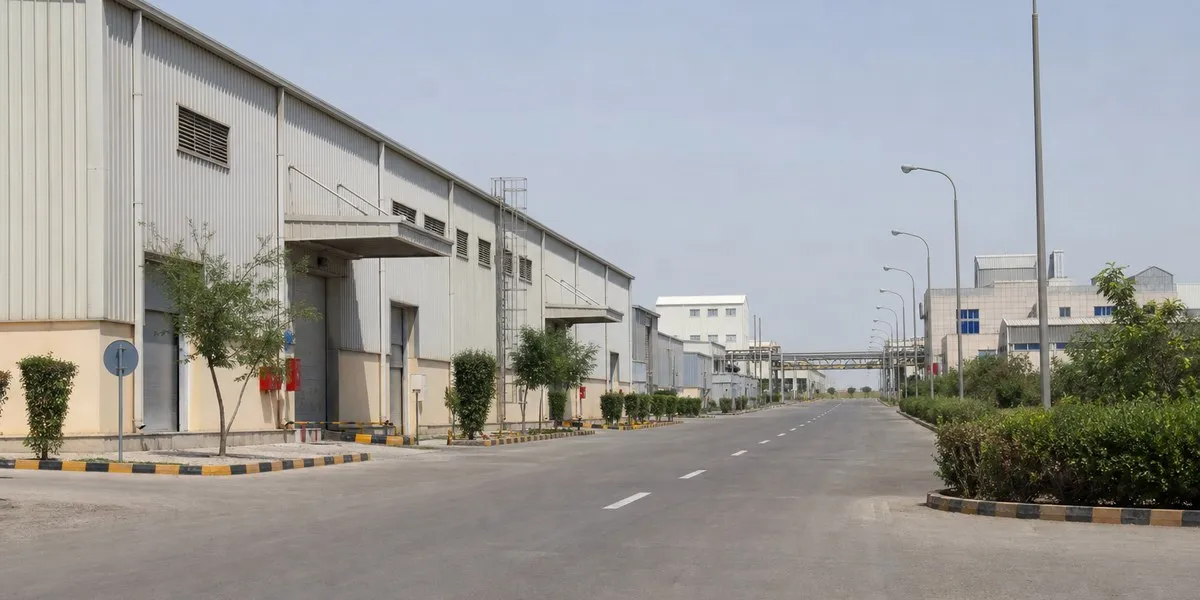
Pakistan’s manufacturing sector accounts for less than 13% of GDP, while the average annual trade deficit reaches about $30 billion. The article says that slow growth over the past two decades has caused the country to lag behind its South Asian neighbors in living standards.
The author compares Pakistan’s situation with the experience of Japan, South Korea and China, which went through prolonged periods of rapid industrialization. In his view, Pakistan needs to transition from an agricultural economy with a limited level of industrialization to industrial development in which the state should play a leading role.
The publication also notes that Pakistan stopped developing five-year plans in 1998 and began transitioning to a medium-term planning system. The author is convinced that gradual policy changes are insufficient to overcome poverty and accelerate economic development.


