
Former Israeli PM Olmert reveals details of strike on reactor in Syria — Jerusalem Post
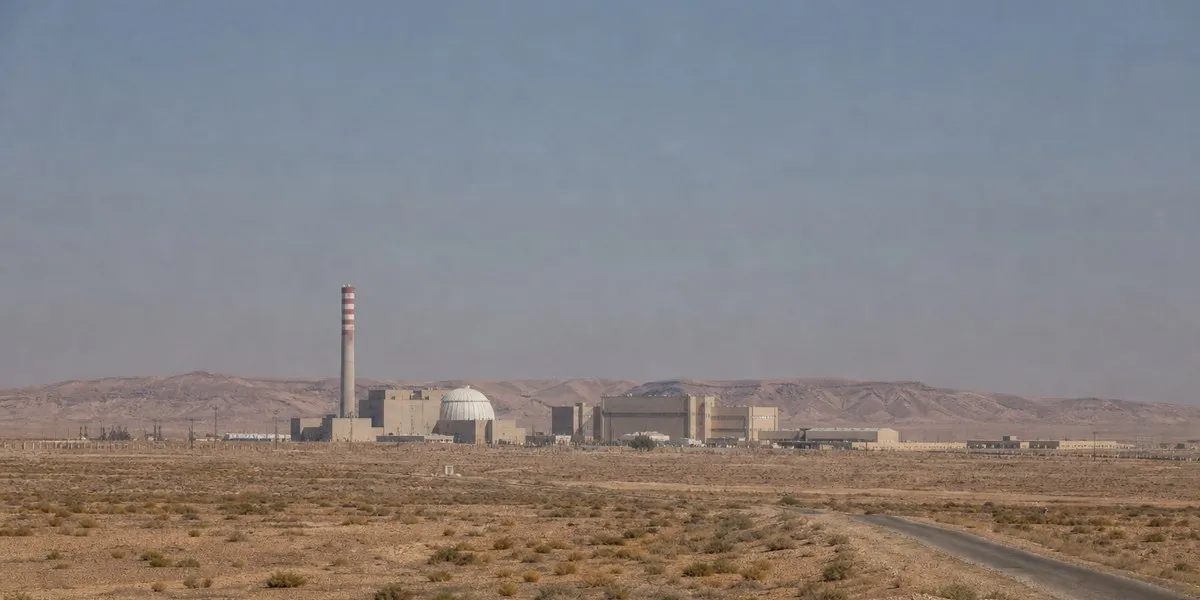
Former Israeli Prime Minister Ehud Olmert has revealed new details of the intelligence operation that preceded Israel's airstrike on the Syrian nuclear reactor in 2007. In an interview with Channel 12, he said the key intelligence breakthrough came thanks to a Mossad officer he called “Anat,” the Jerusalem Post reports.
Intelligence on the reactor
According to Olmert, “Anat” was convinced that Syria was developing a nuclear program, although she was told there was no evidence of this. After completing her training, she asked to work on Syria's nuclear activity rather than Iran's.
The former head of government said the officer faced resistance from the leadership. In particular, two operations involving Ibrahim Othman, head of the Syrian Atomic Energy Commission, produced no evidence of a nuclear program. Despite this, she remained in Mossad and later assumed a leadership position.
Olmert said that then-Mossad chief Meir Dagan invited “Anat” to discuss the operation that led to the discovery of the reactor, despite her relatively low rank at the time. According to Olmert, Dagan explained this by saying that he wanted to hear people who could report things others did not talk about.
More current news is available on the UA.News Telegram channel Telegram.
Decision on the airstrike
When the intelligence was presented to Olmert, who was then heading the Israeli government, he summoned advisers Yoram Turbowicz and Shalom Turgeman. According to him, he told them that there was a nuclear reactor in Syria and that Israel would destroy it.
Israel considered the possibility of abducting Othman to obtain evidence of the reactor's construction. At the same time, the operation was prepared with the possibility of a war with Syria in mind. In September 2007, Israel carried out an airstrike on a facility in Al-Kibar in eastern Syria, and in 2018 it officially acknowledged responsibility for the strike.
Olmert stressed that secrecy was critically important, since Syria must not have learned that its project had been discovered. By his estimate, about 2,500 people knew about the surveillance of the reactor, and participants signed declarations of responsibility for a possible information leak. He held key meetings at his official residence rather than at the prime minister's office to reduce the risk of disclosure.
The former prime minister called the possibility of nuclear weapons appearing in Syria an existential threat to Israel, even though, according to him, he was not convinced that Syrian President Bashar al-Assad would have used them.


