
Expert: Large wild animals in Estonia do not seek out humans
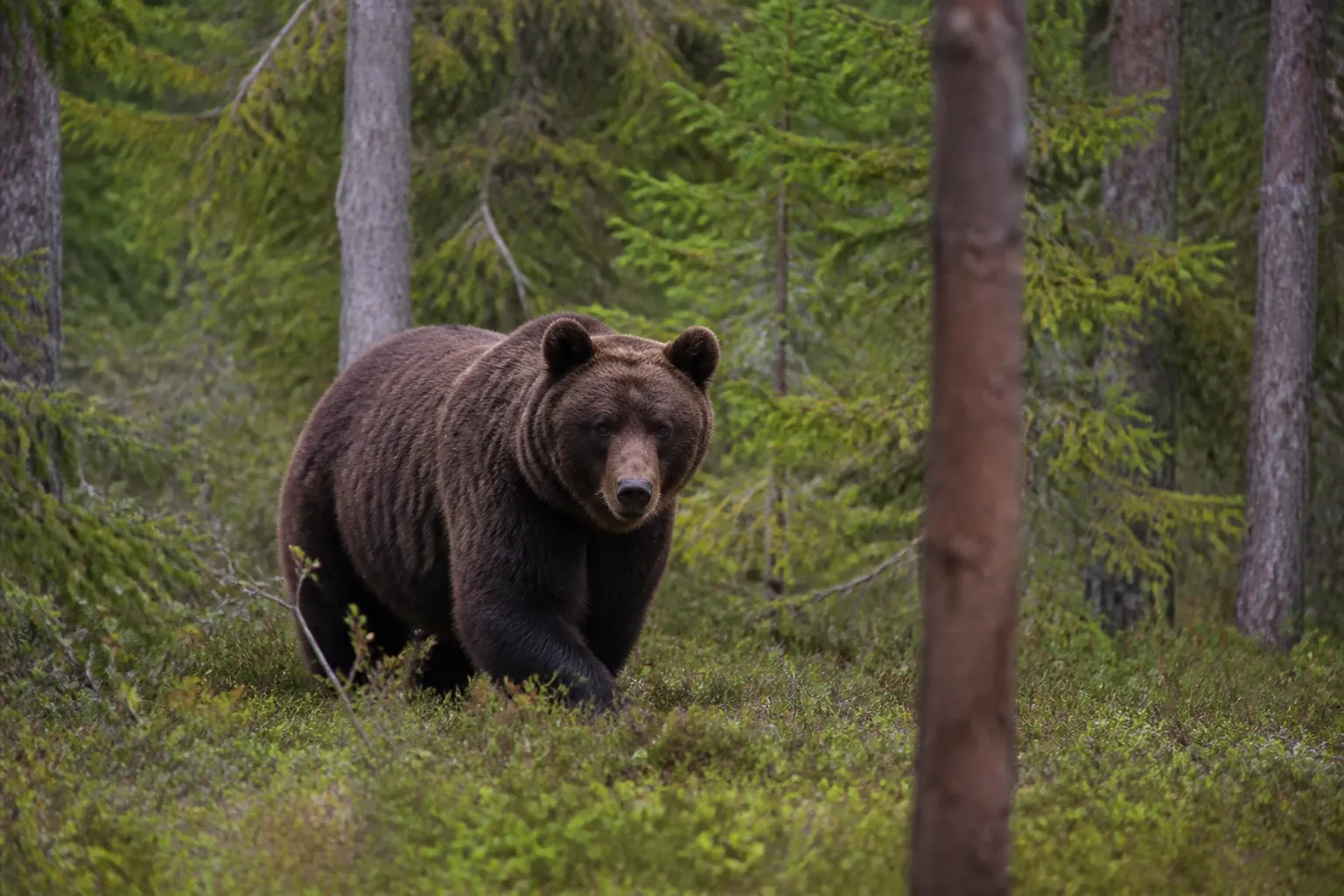
Large wild animals in Estonia do not seek out humans and usually avoid contact with them, said Peep Männil, a senior specialist at the Environmental Agency and a wolf researcher. According to him, large animals are very afraid of people and, as a rule, hear a person from a distance and leave the area before the person even appears.
Männil noted that it is impossible to determine the population of large predators through direct counting, as most of them are nocturnal. The populations of wolves, lynx, bears, and jackals are estimated based on observations. Raw data is collected by hunters, and the Environmental Agency compiles and analyzes it, according to ERR News.
To monitor terrestrial animals, researchers also take into account signs of their activity or select specific population groups for counting, particularly females with offspring. The agency uses camera traps, bait for wolves and jackals, and bioacoustic methods. According to Männiil, wolf populations can fluctuate significantly throughout the year due to their high reproductive potential.
Read more breaking news on the UA.News Telegram channel.
The expert named the gray seal as the only large wild animal in Estonia that can be counted individually. In the spring and summer, seals gather to molt, so drones make it possible to count them one by one. For ungulates, droppings are counted, and hunters track footprints in the winter.
At the same time, a female bear may attack while protecting her cubs, and in such a situation, according to Männi, a person should retreat. A similar reaction is possible from a female wild boar if her piglets are in the nest. The highest risk of such incidents occurs in early spring, when the young are not yet able to follow their mother.


