
Experts call the US-Iran war a war of attrition
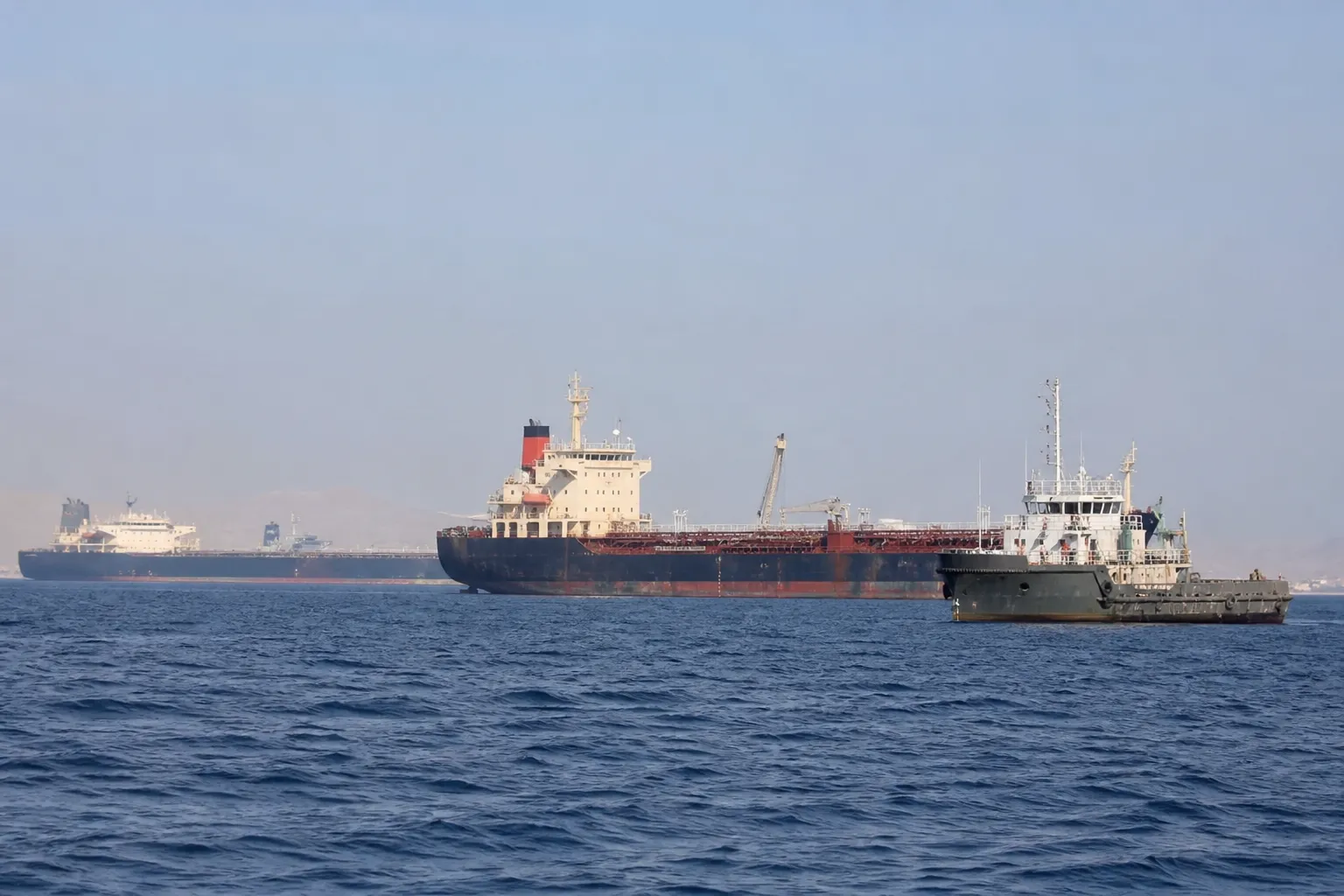
According to ABC News Australia, six months after the start of the war, the United States and Iran have reached a stalemate, and experts assess the prospects for a negotiated settlement as bleak. At the start of Operation Epic Fury, US President Donald Trump said it would last four weeks or less, but the confrontation continued after the ceasefire failed.
This week, the White House announced a shift from military pressure to economic pressure. The United States plans to impose sanctions on countries that do business with Iran. Iranian President Masoud Pezeshkian, for his part, said that the world had approved his country’s victory, while the United States hates it.
Failed ceasefire
On June 18, Washington and Tehran announced the signing of a memorandum of understanding. The document provided for a cessation of hostilities for 60 days, during which the sides were to prepare a permanent peace plan.
Several days later, Trump threatened Iran with new strikes if it did not ensure the openness of the Strait of Hormuz. After the memorandum was signed, Iran attacked vessels that did not follow the route through the strait agreed by it. On July 8, Trump said the ceasefire had ended.
More current news is available on the UA.News Telegram channel Telegram.
Experts believe the memorandum was too vague. Iran believed it could control shipping in the Strait of Hormuz, while Washington insisted that it be open for the unhindered passage of vessels.
Sanctions and negotiations
Former US National Security Council official Allison Miner said the conflict is turning into a war of attrition. In her assessment, both sides expect to secure more favorable terms by weakening their opponent through economic and political pressure.
Naysan Rafati, a senior analyst at the International Crisis Group, noted that the United States is relying on the effect of sanctions while keeping the military option available. At the same time, he said, Iran is counting on the Trump administration’s desire to end the conflict more quickly ahead of the midterm elections. When both sides believe they have an advantage, it is particularly difficult to return diplomacy to the center of the process, the analyst believes.
Experts also noted that both countries would have to make concessions to resume direct negotiations. Iran may demand the unfreezing of assets and assistance in building critical infrastructure, but the Trump administration is not seeking to provide such concessions. Rafati considers economic pressure a real challenge for the Iranian system, but its effectiveness will depend on the availability of a diplomatic proposal acceptable to Tehran.


