
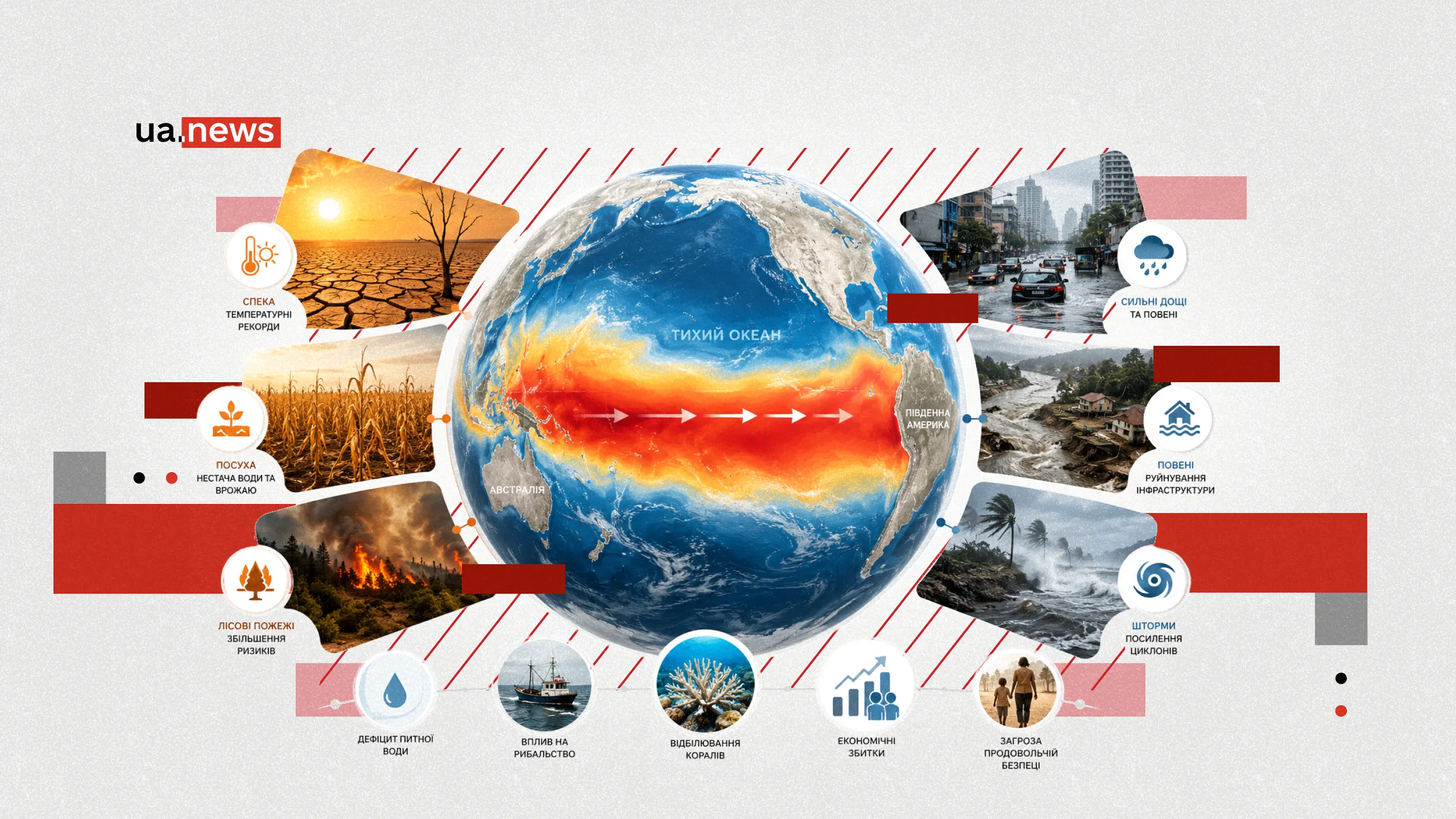
At first glance, a temperature anomaly of a few degrees in a remote part of the Pacific Ocean seems unlikely to have any bearing on the price of coffee in Kyiv, the rice harvest in India, or electricity production in South America. However, this is exactly how El Niño works—one of the most powerful natural climate mechanisms capable of altering typical weather patterns across several continents for months at a time.
In 2026, this mechanism is gaining strength once again. According to the U.S. National Oceanic and Atmospheric Administration, El Niño has intensified over the past month. In the eastern equatorial Pacific, sea surface temperature anomalies have already exceeded +2 °C.
And NOAA estimates the probability that the phenomenon will reach the “very strong” category in the fall and winter of 2026–2027 at over 90%. El Niño is expected to persist at least until the spring of 2027.
This does not mean that the world will be simultaneously hit by droughts or floods. In one region, El Niño may reduce precipitation; in another, it may bring excessive rainfall; and in a third part of the planet, its impact will be significantly weaker. However, the stronger the phenomenon, the greater the risk that weather-related problems will begin to turn into economic ones—due to crop failures, higher food prices, energy sector issues, and disruptions in logistics.
UA.News explains what El Niño is, why changes in Pacific Ocean water temperatures affect the entire world, which food products may face the greatest pressure, and what the intensification of this phenomenon means for Ukraine.
What Is El Niño and Why Does It Affect the Whole World?

El Niño is the warm phase of the large-scale natural cycle known as ENSO, or the El Niño–Southern Oscillation. Under normal conditions, strong trade winds blow along the equator from east to west, effectively pushing the warm surface waters of the Pacific Ocean toward Indonesia and Australia. Off the coast of South America, however, colder water rises from the depths.
During El Niño, this system weakens. As NOAA explains, the trade winds become weaker, and the warm water begins to return eastward—to the central and eastern parts of the equatorial Pacific Ocean. Along with it, zones of evaporation, cloud cover, and tropical downpours shift. As a result, large-scale atmospheric flows are reorganized, already affecting the weather thousands of kilometers away from the Pacific Ocean itself.
That is why El Niño is much more than just “warmer water.” The World Meteorological Organization identifies ENSO as one of the main natural factors determining interannual weather variations. El Niño also typically has a general warming effect on the planet, although the specific consequences vary greatly depending on the region.
These cycles occur irregularly—roughly once every few years. The phenomenon itself can last about a year or longer, gradually intensifying, reaching a peak, and then weakening.
El Niño in 2026: How Strong Could It Become?
The current cycle is developing quite rapidly. In its August update, NOAA reported that the Niño-3.4 index was already at +1.4 °C in July, while in the more easterly Niño-1+2 region, the anomaly reached +2.9 °C. This indicates a significant accumulation of heat in the tropical Pacific Ocean.
The most important factor is the forecast for fall and winter. The U.S. Climate Prediction Center estimates the probability of a very strong El Niño at more than 90% during the fall and winter. The WMO also expects the phenomenon to intensify further and warns of increased risks of heat, drought, and heavy rainfall in various parts of the world.
On August 18, China’s National Climate Center went even further and predicted a possible “super El Niño,” potentially one of the strongest on record. However, this is still just a forecast. NOAA’s official assessment is more cautious: a very strong El Niño is highly likely, but it is too early to say for certain that it will set an absolute record.
Where El Niño Brings Drought, and Where It Brings Floods
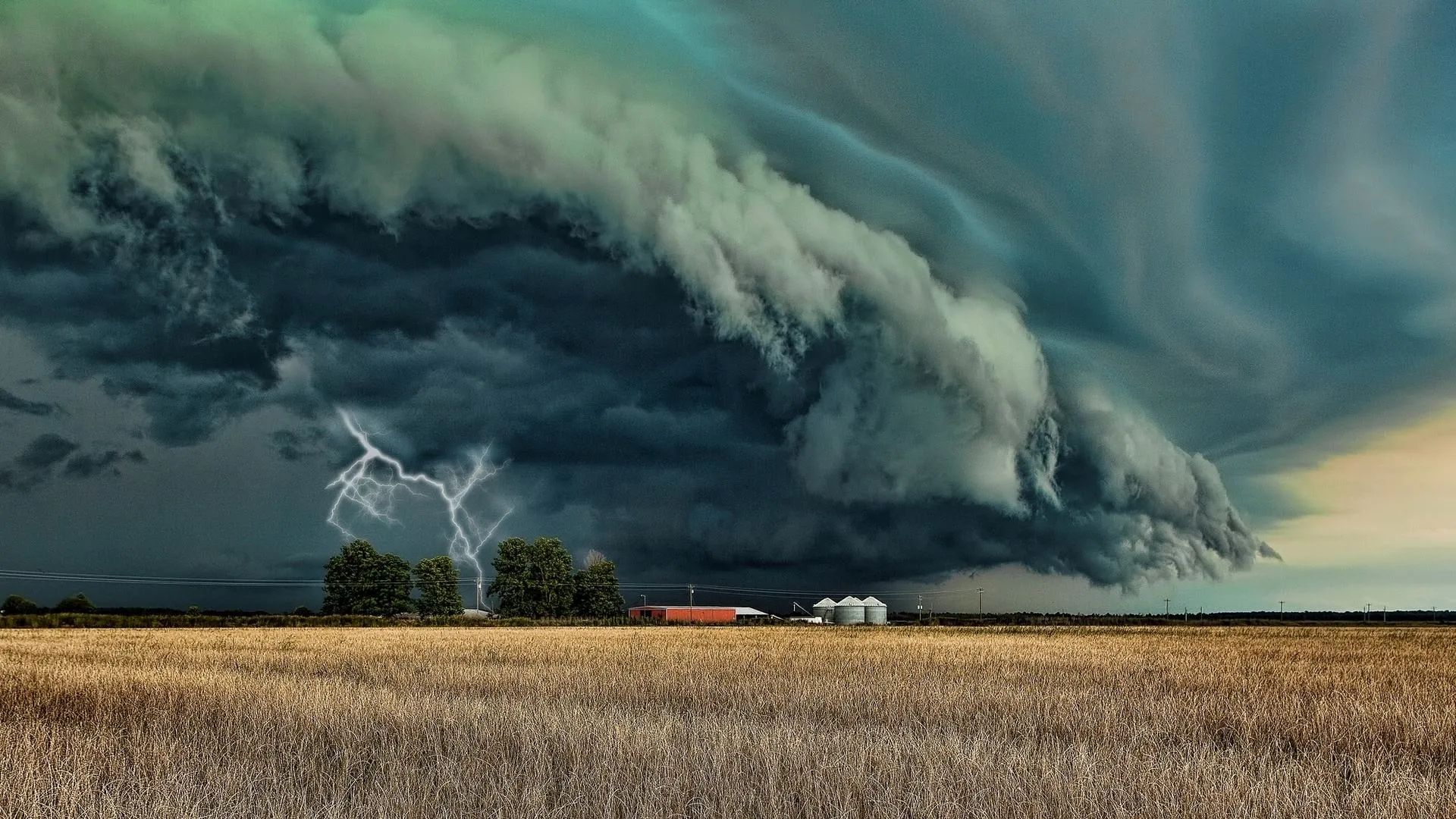
The main feature of El Niño is that it does not create the same weather conditions across the entire planet.
For Australia, Indonesia, and parts of Southeast Asia, strong El Niño events often mean drier and hotter weather. This increases the risk of water shortages, wildfires, and agricultural problems. In contrast, in parts of South America, the situation may be the opposite—a warm Pacific Ocean brings more precipitation.
In Peru and Ecuador, this can mean heavy downpours, flash floods, and landslides. And for Argentina and parts of Brazil, the extra moisture can even be beneficial for soybeans, corn, and wheat under certain conditions. Reuters notes that in Latin America, El Niño can improve soil moisture before planting, although excessive rainfall simultaneously increases the risk of plant diseases.
The situation in Africa is also mixed. According to the Food and Agriculture Organization of the United Nations, in the southern part of the continent, El Niño is often associated with a lack of rainfall during the main agricultural season. This is particularly dangerous for maize, which is the region’s staple crop. At the same time, in the eastern part of the Horn of Africa, El Niño may, conversely, increase rainfall and the risk of flooding.
Rice, coffee, cocoa, and sugar: what could become more expensive due to El Niño
Climate anomalies most quickly translate from meteorologists’ forecasts into the real economy through agriculture.
The reason is simple: many of the commodities traded worldwide are produced in only a few key regions. If severe drought or heavy rains simultaneously affect several major exporters, supply shrinks, and prices begin to react even before the final harvest size is known.
Rice remains one of the most sensitive commodities. A large share of global rice production is concentrated in Asia, so weaker monsoons or prolonged droughts can create problems for several major producers at once. The situation is also dangerous because, during a shortage, countries may restrict exports in an effort to maintain domestic prices. In such cases, a local weather problem quickly becomes a global one.
Coffee is also at risk. Droughts in Vietnam and Indonesia could reduce Robusta production. The situation with Brazilian Arabica is even more complicated: additional rainfall can be beneficial, but too much rain, rainfall at the wrong time, or the spread of disease are already harming plantations.
Another commodity facing challenges is cocoa. The bulk of global production is concentrated in West Africa, primarily in Côte d’Ivoire and Ghana. Changes in rainfall patterns, heat, and dry winds there directly affect the harvest. Previous weather-related issues have already demonstrated how quickly a decline in supply can lead to a sharp rise in the price of cocoa.
Reuters also lists sugar, palm oil, coffee, and cocoa as particularly vulnerable to a strong El Niño, as their production is heavily dependent on the tropical climate.
How El Niño Could Drive Up Global Food Prices
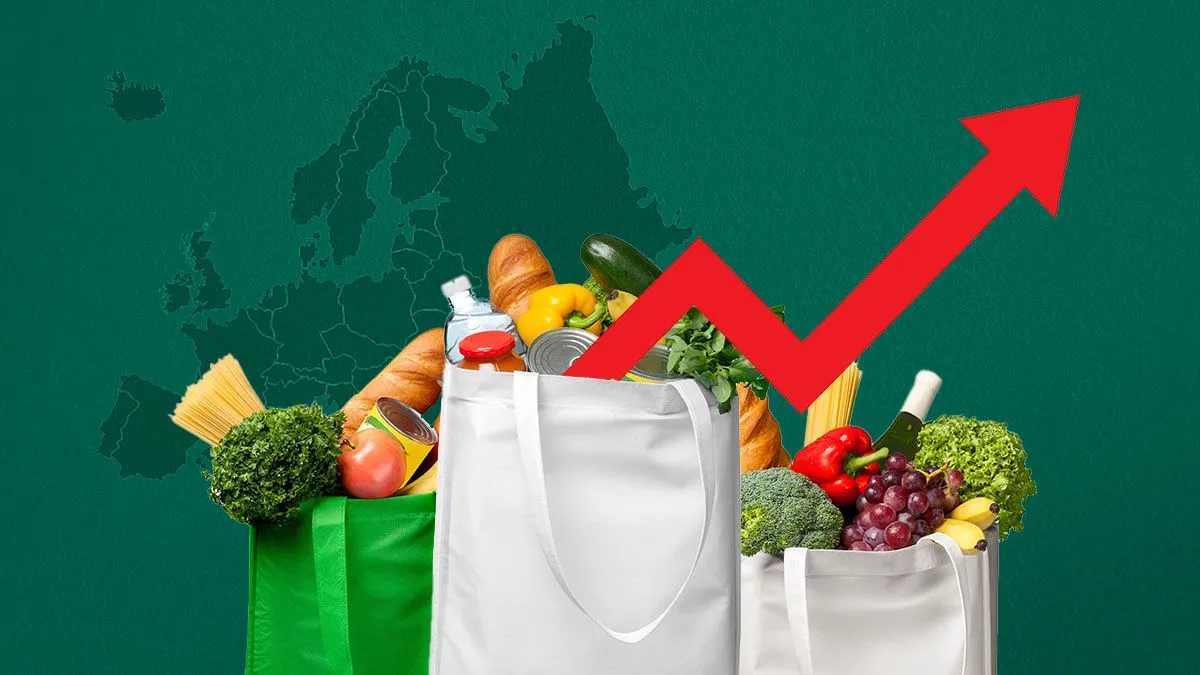
A poor harvest in a single country does not, in and of itself, mean a global food crisis. The modern system is much more resilient than it was a few decades ago: yields have increased, there are more major exporters, countries are building up strategic grain reserves, and farmers have more accurate weather forecasts.
But the problem in 2026 is that El Niño does not exist in a vacuum. The World Bank lists the development of El Niño, high energy and fertilizer costs, rising demand for biofuels, and potential trade restrictions as among the main threats to food markets this year. If several of these factors come into play at the same time, the effect will be significantly stronger.
Historical data show that a strong El Niño can indeed drive up food inflation. The European Central Bank previously estimated that a transition from normal conditions to a strong El Niño could raise global food commodity prices by approximately 9% at the peak of its impact. Moreover, this effect occurs with a delay and can stretch out over many months.
First, drought or flooding lowers expectations for future harvests. Then, exchanges, traders, and exporters react. Next, raw materials, processing, and logistics become more expensive—and only after that do the changes reach the price tags in regular stores.
That is why the strong El Niño of late 2026 may continue to be an economic factor throughout 2027.
It’s Not Just Food: How El Niño Affects the Energy Sector
Another major channel of impact is the energy sector.
In countries where a significant portion of electricity is generated by hydroelectric power plants, a prolonged drought means less water in reservoirs and, consequently, lower production. The shortfall must be made up by gas- and coal-fired power plants or imports, which can drive up the cost of electricity.
In other regions, excessive rainfall, on the contrary, increases water reserves for hydroelectric power plants. But if the rains turn into extreme floods, other problems arise—damaged roads, power grids, businesses, and other infrastructure.
Heat waves are another factor. As temperatures rise, the use of air conditioners increases sharply, and with it, the load on the power grid. Thus, a climatic phenomenon in the Pacific Ocean can simultaneously affect both electricity production and demand for it.
What El Niño Means for Ukraine
It is important for Ukraine not to directly apply forecasts for Australia, Peru, or Indonesia to our territory.
The link between ENSO and weather in Europe is much weaker and more unstable. The European Centre for Medium-Range Weather Forecasts has noted that even within a single European winter, the impact of El Niño can vary: signals at the beginning and end of the season sometimes differ and partially offset one another.
Therefore, statements such as “El Niño will definitely bring a warm winter to Ukraine” or “we are definitely in for a drought” are incorrect. Ukraine’s weather depends on many other factors—processes over the Atlantic and the Arctic, the location of cyclones and anticyclones, and the specific atmospheric conditions over Europe.
The indirect economic impact is much more relevant to Ukraine.
If rice or palm oil harvests decline in Asia, cocoa harvests in West Africa, and coffee harvests in Vietnam, changes in global prices will gradually affect Ukrainian imports as well.
On the other hand, price movements for wheat, corn, and oilseeds already directly affect Ukrainian farmers. If global supply shrinks due to poor weather in other regions, Ukrainian products may become more expensive on export markets. At the same time, however, fuel, fertilizers, insurance, and logistics may also become more expensive.
In other words, for Ukraine, El Niño may primarily manifest not as a specific weather anomaly, but through global prices.
Is the world ready for a strong El Niño?

The current situation differs significantly from the strong El Niño events of the past.
The world has learned to anticipate such events. Today, meteorologists can warn governments and farmers several months in advance about increased risks of drought or flooding. Farmers can adjust planting dates, choose different crops, store water, and use more resilient varieties.
According to Reuters, the food system has also become more diversified: global reserves have increased, agricultural productivity has risen, and new major exporters have emerged. Therefore, even an exceptionally strong El Niño today does not necessarily mean a repeat of the food crises of past decades.
However, another factor has emerged—global warming. The ECMWF emphasizes that El Niño now develops against a different climatic backdrop. Higher average temperatures increase evaporation, and a warmer atmosphere can hold more moisture. As a result, the effects of today’s El Niño will not necessarily be the same as during similar events several decades ago.
When the World Will Feel the Main Effects of El Niño
The next few months will be crucial. NOAA forecasts that the phenomenon will continue to intensify in the fall, and the likelihood of a very strong El Niño will remain extremely high throughout the fall and winter. The cycle itself is expected to continue into the spring of 2027.
It will become much clearer this fall and winter how it will affect the rainy seasons in Asia, Africa, and South America. After that, it will be possible to more accurately assess crop yields and the scale of the economic consequences.
Markets are already pricing in some of these risks. But the actual impact will depend on whether adverse weather affects several major producers of the same commodity at the same time.
If that happens, for the average consumer, El Niño may manifest itself in very mundane ways: more expensive coffee, chocolate, rice, sugar, or vegetable oil.
That’s why El Niño is far more than just a story about the weather. A few degrees of temperature anomaly in the Pacific Ocean sets off a long chain of events: from the weakening of the trade winds to a field in Vietnam, a coffee plantation in Brazil, a hydroelectric power plant, the global stock market, and ultimately the price tag in a Ukrainian supermarket.
And the key question for the fall of 2026 is no longer whether El Niño will form—it’s already here. The question is how strong it will become and whether the global economy can weather yet another major climate shock without serious upheaval.




