
El Niño is already affecting water levels in the Panama Canal
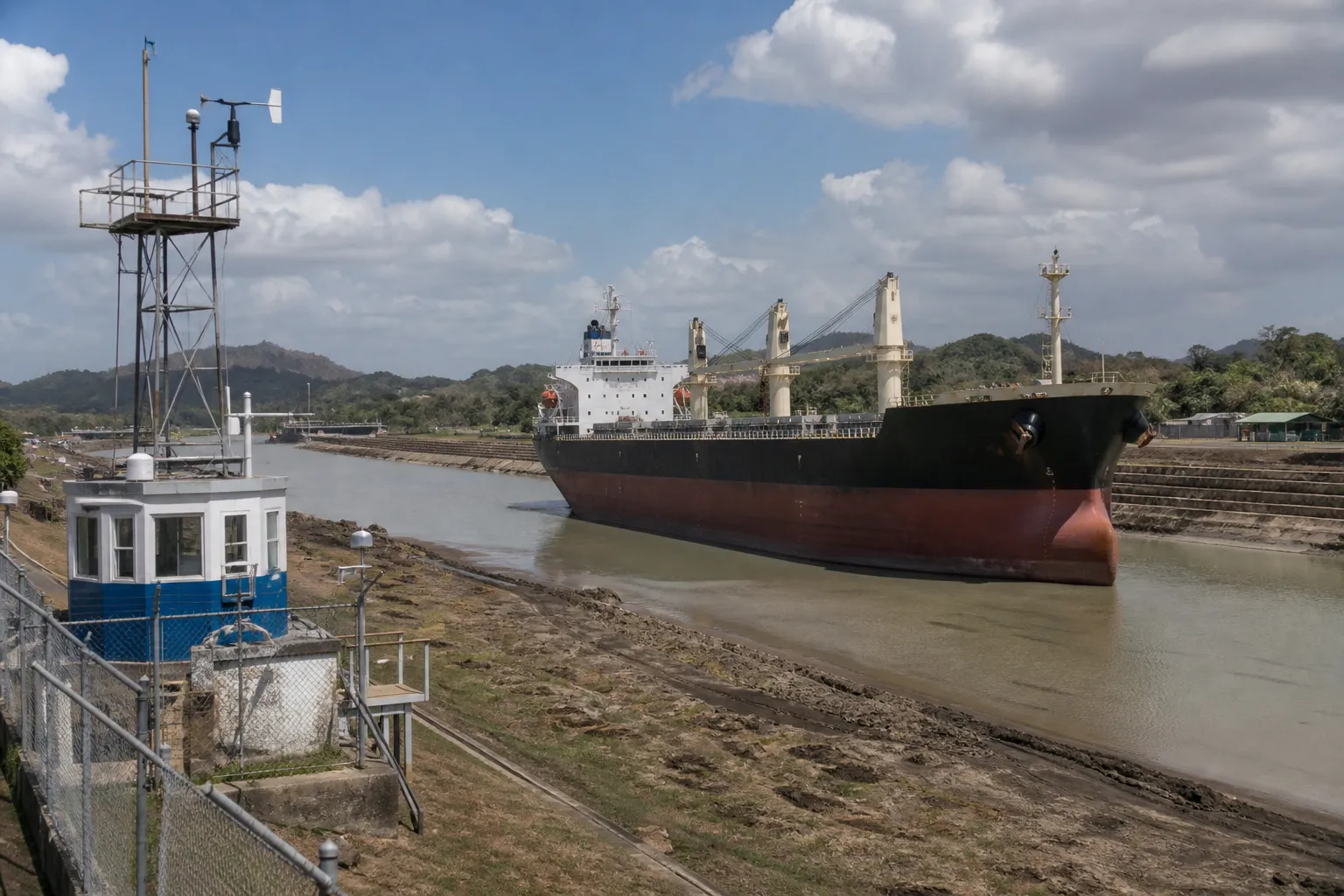
The El Niño phenomenon, which experts estimate will peak in a few months and last until next spring, is already affecting water levels in the Panama Canal, the appearance of seabirds, and countries' preparations for possible droughts, heat and floods. This was reported by CBC World.
Panama Canal and seabirds
In the Gamboa area of Panama, a lack of rainfall linked to El Niño has affected water levels. The Panama Canal Authority plans to limit the number of daily vessel transits in early September, preparing for an El Niño season that is longer than usual. Authority hydrologist Ricardo Gete showed the low water level at the Gatun Lake measuring station.
Seabirds, including blue-footed boobies, are also appearing in unusual numbers near Panama City. Warming waters in the eastern Pacific are disrupting the food supply for seabirds.
Preparations in Latin America
Governments in Latin American countries are mobilizing firefighters, activating emergency action plans, and preparing water supply, energy and transport systems for possible climate impacts. In Honduras, the Secretariat for Risk Management and National Emergencies declared a red alert in 75 municipalities in the central and southern parts of the country, and a yellow alert in another 71 municipalities due to conditions affecting crops and livestock.
More current news is available on the UA.News Telegram channel Telegram.
In Peru, President Keiko Fujimori named preparations for El Niño as one of the priorities. In July, she spoke with Lima Mayor Renzo Reggiardo during the cleaning and clearing of the Rímac River channel. Stones and gravel are being removed to maintain the channel's capacity and protect the city's drinking water supply in the event of heavy rainfall.
Drought in Indonesia
In West Java province, El Niño-related drought is benefiting salt producers, but prolonged heat is creating difficulties for farmers growing agricultural crops. Residents of the village of Gunung-Batur in Cilegon are collecting spring water after experiencing problems accessing groundwater. Indonesia's Meteorology, Climatology and Geophysics Agency warned that the country's dry season will be more intense and longer than average.
UN officials warned that a strengthening El Niño could cause more extreme weather events around the world. In Indonesia, the phenomenon is not a direct cause of large-scale forest fires, but according to the head of the disaster mitigation agency, additional heat and dryness can help fire spread faster.


