
Estonia has extended nighttime restrictions at its border with Russia
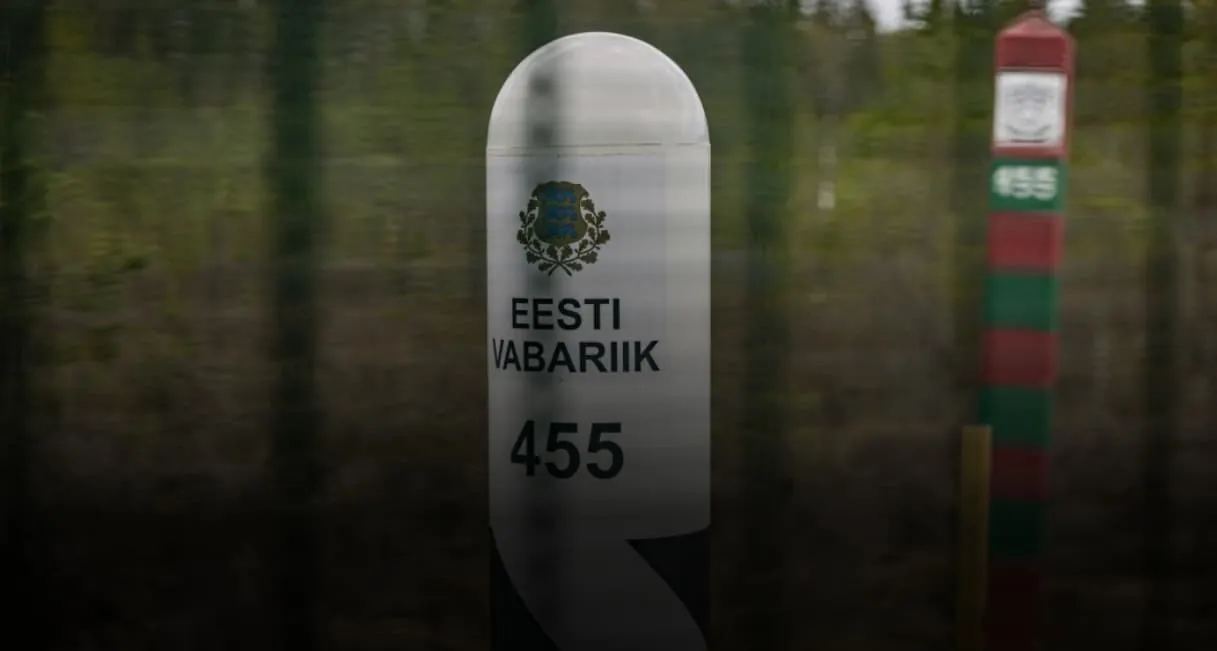
Estonia has extended the nighttime closure of border crossings with Russia for another three months. The restrictions will remain in effect at least until the end of August. Tallinn explains the decision simply: the Russian side has shown “no goodwill” recently, so the country has no plans to ease controls. This was reported by the Estonian Ministry of the Interior.
Estonia has decided not to change the strict operating regime at border crossings with Russia. The country’s Ministry of the Interior announced that the nighttime closure of the crossings will continue for another three months—until the end of August.
This applies to the checkpoints in Luhamaa and Koiduli. These remain the main road crossings between Estonia and Russia. Under the new rules, they will operate daily only from 7:00 a.m. to 7:00 p.m.
The same restrictions will apply to the pedestrian crossing in Narva. Starting in mid-June, the bridge to the Russian city of Ivangorod will also be open only until 7:00 PM, although previously people could cross the border until 11:00 PM. The Estonian Ministry of the Interior says that the decision, first adopted three months ago, has proven effective.
Interior Minister Igor Taro stated outright that during this time, Russia has given no grounds for easing border controls. “The Russian side has shown no goodwill in its behavior over the past three months, and therefore we do not consider it possible to relax border controls,” Taro said.
According to him, the border service has already adapted to the new work schedule, and the restrictions have allowed for more efficient use of personnel on the eastern border. At the same time, the Estonian authorities emphasize that security is currently a priority for the country, so they do not intend to make any hasty decisions regarding the border in Tallinn.
The ministry also cited statistics from recent months. After the introduction of nighttime restrictions, the number of crossings at Luhamaa decreased slightly—by about 2%—while at Koidula, conversely, it increased by 6%.
Against the backdrop of Russia’s war against Ukraine, the Baltic states have tightened controls on their eastern borders in recent years and regularly review crossing rules for citizens of Russia and Belarus.
The Estonian government has approved additional funding of 17 million euros to strengthen the border with Russia, specifically for modernizing surveillance systems and implementing artificial intelligence technologies.
Earlier, Estonia ordered additional HIMARS systems from the U.S. and may receive them as early as 2027—sooner than planned. At the same time, the country is developing its own defense infrastructure in partnership with the American company Lockheed Martin. As a result, Tallinn is building a more flexible and long-range missile arsenal.
The Estonian Ministry of Defense wants to simplify the procedures for procuring and using drones in the military. To this end, it has prepared amendments to aviation regulations designed to make the process faster and more flexible. The government explains this by noting that drones are rapidly changing modern warfare, and the rules must keep pace.


