
An Estonian entrepreneur cited Poland as an example of rapid economic development
In an op-ed for ERR News, Estonian entrepreneur Indrek Neyvelt cited Poland as an example of a country where rapid economic growth is possible despite a more complex tax system and a progressive personal income tax. In his view, the tax system can influence not only budget revenues but also investment, employment, consumption, and the economy’s competitiveness.
Neyvelt noted that in 2014, Poland’s GDP per capita at purchasing power parity was 68% of the EU average, while in Estonia it was 78%. Last year, according to the data he cited, Poland’s figure reached 81% of the EU average, while Estonia’s remained at around 79%.
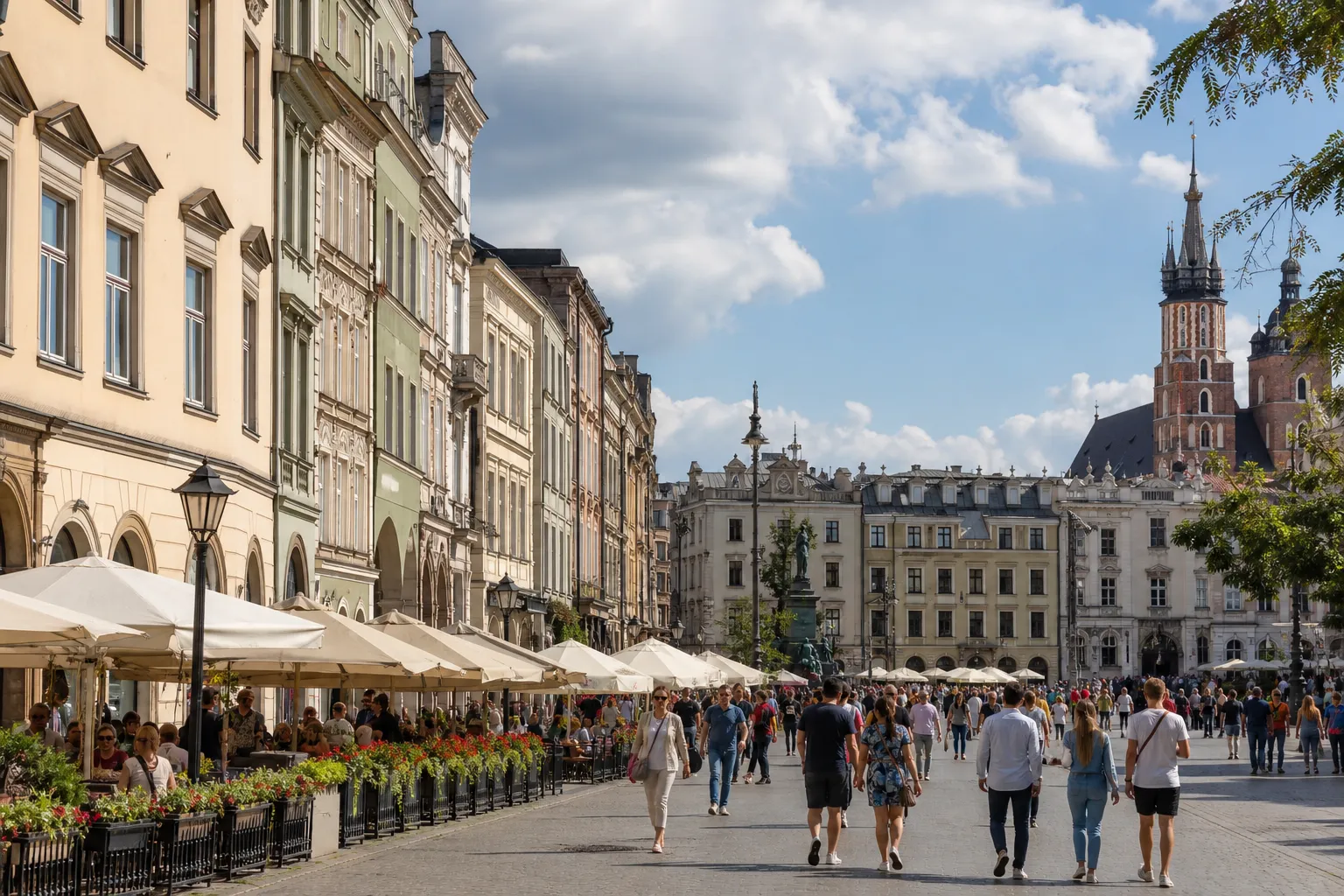
The author described his own impressions from trips to Kraków and Rzeszów this year. According to him, many new structures have been built in these cities, old buildings have been renovated, and high-quality roads have been constructed. He also noted that prices—particularly in the food service sector—are lower than in Estonia.
For more current news, follow the UA.News Telegram channel.
Neuwelt cited Poland’s differentiated VAT rates as one of the factors. The standard rate is 23%, but a 5% rate applies to many basic food items, including bread, dairy products, eggs, vegetables, and fruits. An 8% rate applies to certain prepared meals and most restaurant services, while alcohol, non-alcoholic beverages, and energy drinks are taxed at a rate of 23%.
The entrepreneur also outlined the parameters of Poland’s personal income tax: a tax-free income of up to 30,000 zlotys per year, a top rate of 12% for income between 30,000 and 120,000 zlotys, and 32% for income over 120,000 zlotys. An additional 4% solidarity levy applies to income exceeding 1 million zlotys. According to Neuwelt, Poland also offers tax breaks for young people under 26, the option of joint income tax filing for families, and additional benefits for families with at least four children.
He also mentioned Poland’s corporate tax system, known as “Estonian CIT.” It follows a model similar to Estonia’s but with additional restrictions: a company must typically have at least three employees, and all of its shareholders must be individuals. Neuwelt emphasized that Poland’s success cannot be explained solely by taxes: among other factors, he cited a large domestic market, EU investments, its own currency, foreign investment, and an influx of labor.


