
European Commission monitors suspected pneumonic plague in Russia — Politico Europe
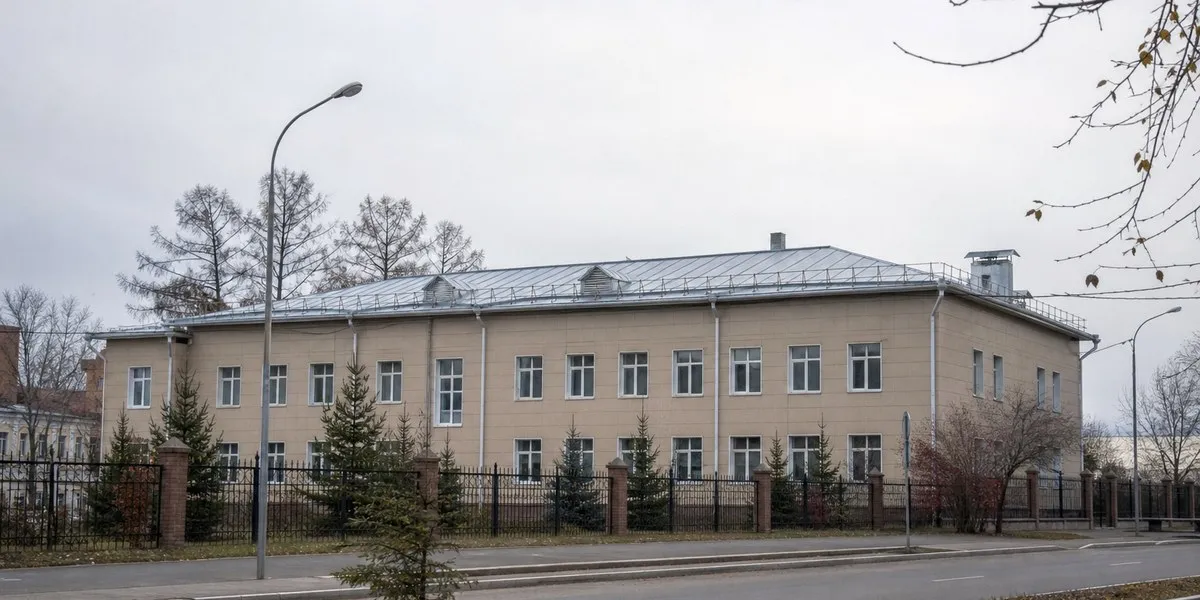
The European Commission is closely monitoring reports of a possible case of pneumonic plague in eastern Russia following the death of a 28-year-old employee of the Irkutsk Anti-Plague Institute of Siberia and the Far East. Politico reports.
European Commission’s response
European Commission spokesperson Eva Hrncirova said that Brussels is aware of reports of a laboratory incident in Russia that is likely linked to the plague pathogen. According to her, the European Commission is in contact with experts from the European Centre for Disease Prevention and Control and is closely monitoring the situation.
The head of Buryatia, which borders Irkutsk Oblast, Alexey Tsydenov, suggested that pneumonic plague could have been the cause of death of the employee, who fell ill and died on Friday.
More current news is available on the UA.News Telegram channel Telegram.
Cause of death not confirmed
Rospotrebnadzor of Russia, the aggressor state, has not confirmed the exact cause of death. The agency reported only that the employee died of pneumonia of unknown etiology. More than 200 people were placed under observation after her death.
Plague is an infectious disease caused by the bacterium Yersinia pestis. According to the World Health Organization, it usually occurs in small mammals and their fleas and can be treated with antibiotics. Hrncirova noted that plague has not been recorded in Europe for more than 50 years, although it continues to occur in countries in the Americas, Africa, and Asia.
Pneumonic plague is the most contagious form of the disease, as it can be transmitted between people through respiratory particles. Its symptoms, including shortness of breath and cough, usually appear within 24 hours of infection. Without treatment, the mortality rate from plague can range from 30% to 100%.




