
Europe prepares for possible threats from Russia at the end of the decade — Asharq Al-Awsat
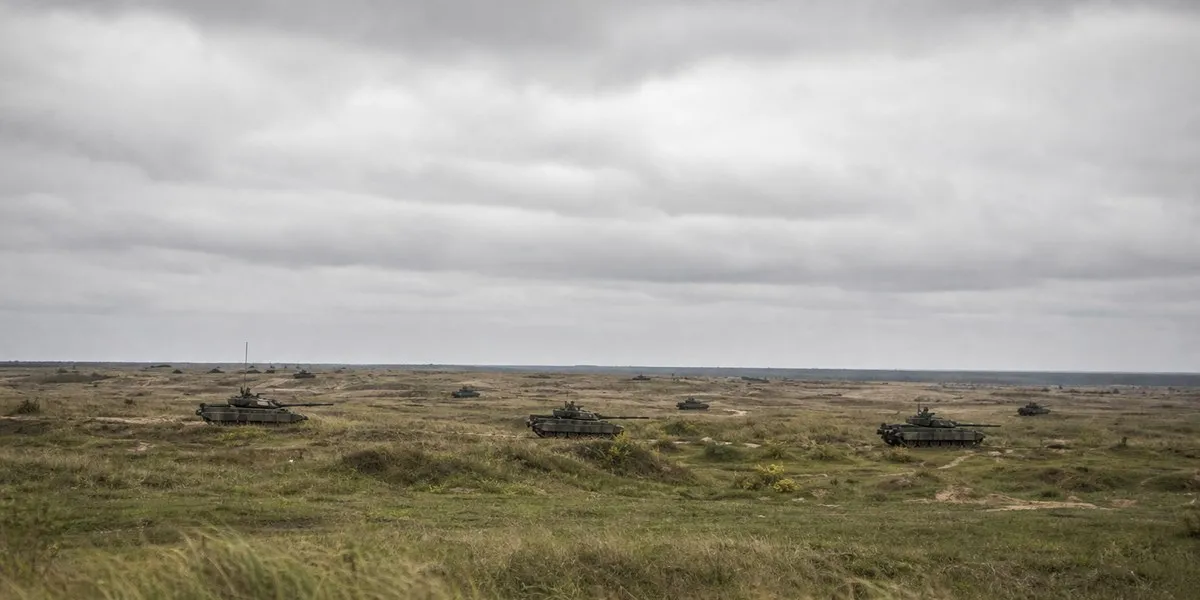
Germany, Lithuania and other European countries are strengthening defence planning and military exercises. European assessments indicate that Russia, an aggressor state, may by the end of the decade restore military capabilities sufficient to threaten NATO’s eastern flank. At the same time, the Alliance sees no signs of an imminent attack, Asharq Al-Awsat reports.
Preparing for possible scenarios
According to the publication, Germany is preparing to potentially receive large numbers of wounded people in hospitals, while Lithuania has updated its civilian evacuation plans. Military exercises have intensified in the Baltic states and Northern Europe. German and Swedish troops conducted joint manoeuvres near the strategically important island of Gotland, while NATO forces trained near Russia’s Kaliningrad exclave between Poland and Lithuania.
Bundeswehr Inspector General Carsten Breuer explained that references to 2029–2030 are not a forecast of the start of a war. They are a timeframe for assessing when Russia, after its war against Ukraine, may restore its forces and rearm its army. According to assessments attributed by the publication to NATO, Moscow may by the end of the decade accumulate resources and capabilities for a potential attack.
NATO Secretary General Mark Rutte also stated that Europe is currently safe, but the situation could change within three to five years. He linked this timeframe to the need to increase defence spending.
More current news is available on the UA.News Telegram channel Telegram.
Hybrid incidents and deterrence
European governments warn of a growing number of acts of sabotage, cyberattacks and attacks on infrastructure. Among the incidents, the publication mentions the interception and downing of a Russian drone over Lithuania by NATO fighter jets, as well as an attempted drone attack on Leipzig Airport in Germany. It was linked to a person suspected of connections with Russia.
According to Ukraine’s Sahaidachnyi Security Center, 100 hybrid incidents were officially recorded in Europe from January to August 2026, compared with 60 during the same period of the previous year. A NATO source said the actual number may have exceeded 200, excluding cyberattacks, while Alliance institutions face thousands of cyberattacks every month.
Seeking dialogue
Finnish President Alexander Stubb called on the European Union to begin opening communication channels with Moscow. European Council President António Costa spoke about Europe’s readiness for possible negotiations on Ukraine, and the EU is discussing appointing a contact person for such talks.
Lithuanian Foreign Minister Kęstutis Budrys suggested that political statements about the threat may be part of a coordinated campaign aimed at warning Moscow against attempts to test NATO’s Article 5 on collective defence.




