
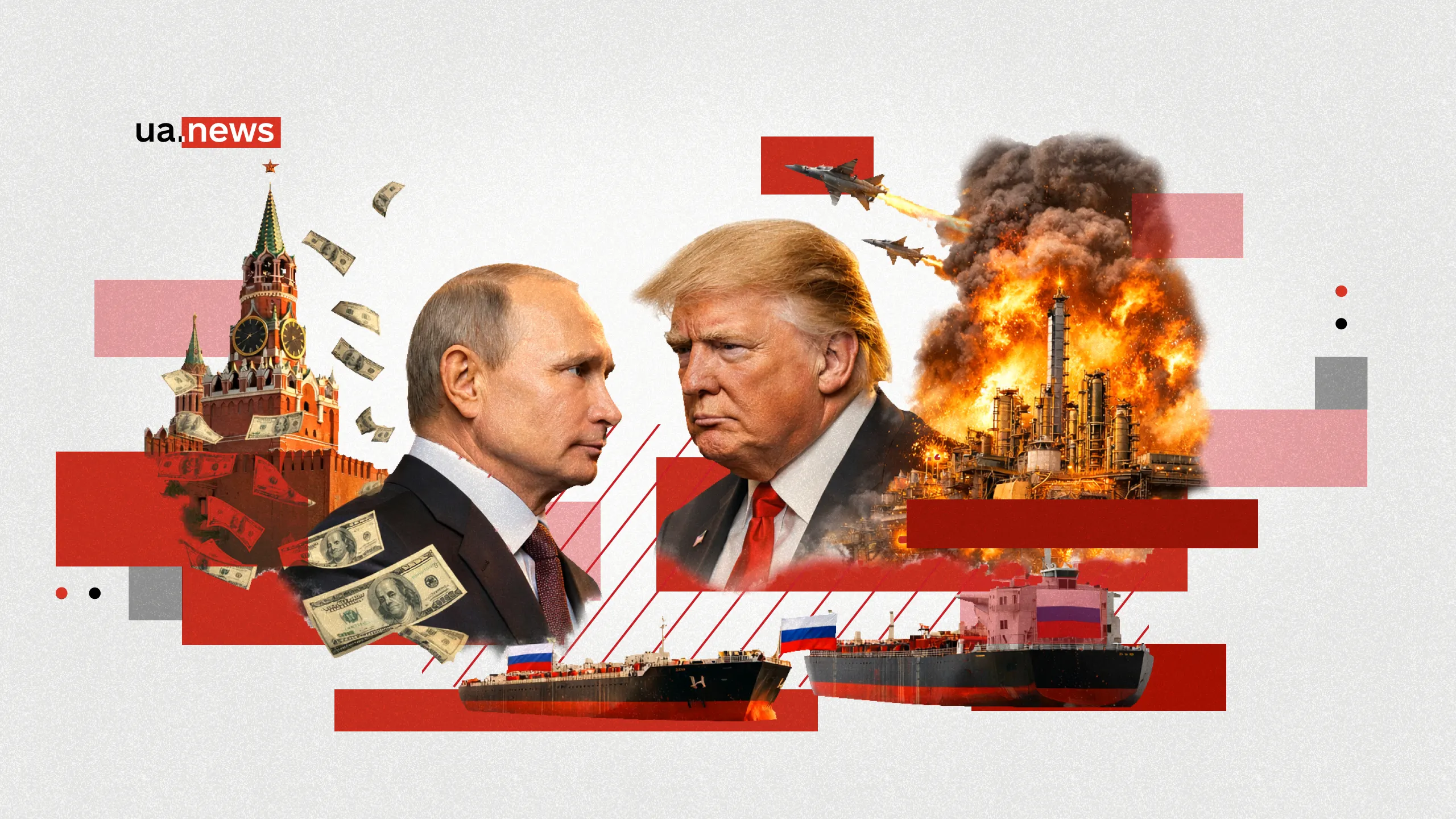
The prolongation of the conflict in the Middle East continues to multiply global problems not only in military terms but also economically and politically, creating new contradictions within countries of the Western coalition. A trigger for new discussions was the decision of former United States President Donald Trump to temporarily lift American sanctions on Russian oil.
In Washington, it was explained that the goal was to reduce shortages and restrain prices in global energy markets. However, this controversial “anti-crisis measure” was not supported by the countries of the Group of Seven, as well as European nations concerned about restoring revenues for the Russian Federation. President of Ukraine Volodymyr Zelensky already stated that on free oil trade, the Kremlin could earn an additional ten billion United States dollars and would have resources to continue the war.
UA.News explains the reasons and consequences of this step taken by the administration of Donald Trump.
Oil Market Shock and Trump’s Problems
The International Energy Agency announced that the world faced a worse energy crisis than after the Yom Kippur War of 1973 and the beginning of the full-scale invasion of Ukraine by Russia in 2022. On March 11, a group of countries in the International Energy Agency took an unprecedented step—releasing four hundred million barrels of oil from emergency reserves to the market, which represents one-third of their total reserves.
Since its establishment in 1974, the countries of the International Energy Agency have only four times released strategic reserves in such significant volumes:
In 1991, after Operation Desert Storm, the military campaign of United States President George Bush Senior against Iraq.
In 2005, in response to a double reduction in oil production in the Gulf of Mexico due to Hurricane Katrina.
In 2011, when NATO allies intervened in the civil war in Libya.
In 2022, after the full-scale invasion of Ukraine by Russia.
However, the historical release of reserves during the war in the Middle East did not impress oil markets. In just one day of trading, on March 12, oil prices jumped more than nine percent. Brent crude exceeded one hundred United States dollars per barrel, and West Texas Intermediate approached ninety-five United States dollars. Over the past five days, prices fluctuated between eighty-four and one hundred sixteen United States dollars per barrel.
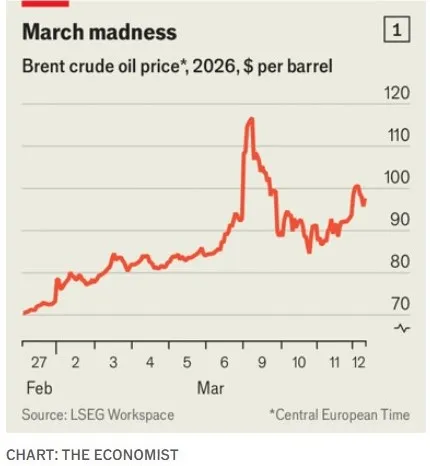
Price fluctuations were also partly influenced by the public rhetoric of Donald Trump. Prices decreased when he mentioned the possibility of ending the conflict and rose if forecasts indicated a prolonged war.
Currently, the situation is complicated: traders doubt that the United States can end the war at any moment they wish. The Israeli Minister of Defense has already stated that the military operation will continue “as long as necessary,” and leaders of Arab oil companies warn of “catastrophic consequences” of prolonged fighting.
The global increase in oil and fuel prices also reached the United States, thereby intensifying domestic political pressure on the Republican Party and Donald Trump himself. Initially, the American president tried to convince his opponents that the United States would only benefit from the market boom. “The United States is the largest oil producer in the world by a large margin, so when oil prices rise, we earn a lot of money,” Trump wrote on social media on March 12.
Neither political opponents nor voters accepted Trump’s explanation. Economist/YouGov polls showed that fifty-two percent of Americans disapproved of the United States’ actions toward Iran. People were primarily concerned that high oil prices would lead to additional inflationary pressure on all goods.
Easing Sanctions Against Russia
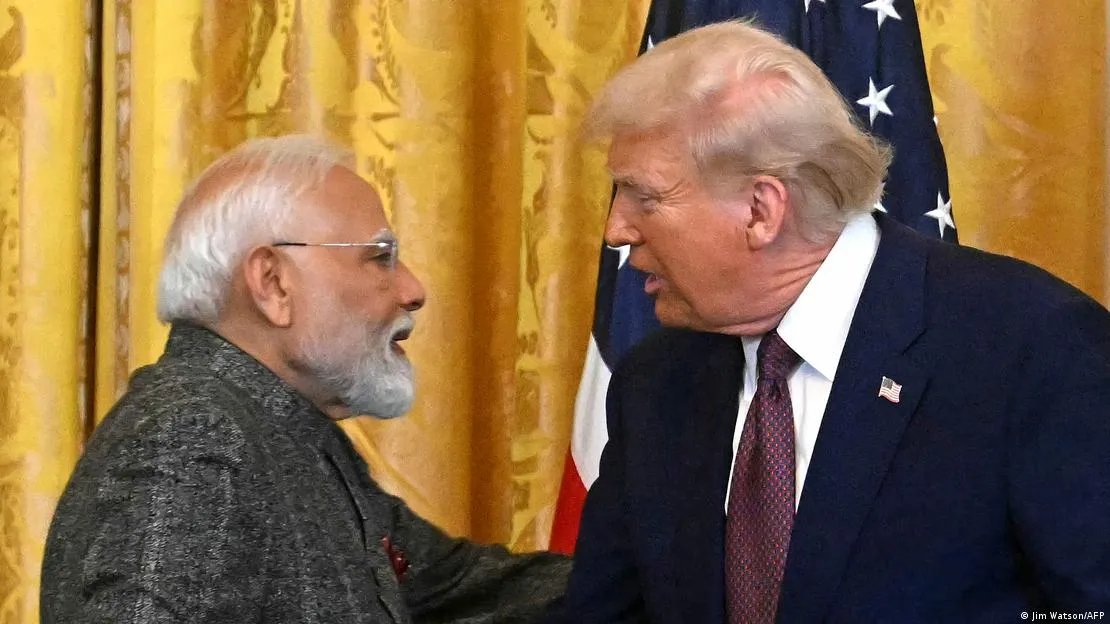
The fastest way to increase oil supply to the market without risking depletion of the International Energy Agency’s strategic reserves could be to ease secondary sanctions on Russia, the third-largest oil exporter in the world. On March 5, Donald Trump’s administration allowed Indian oil refineries to purchase oil from Russia for thirty days to somewhat stabilize the markets. This occurred just one month after the American leader convinced India to stop buying Russian oil. At that time, Trump stated that this “would help end the war in Ukraine” and cut off Russia’s largest source of export revenue.
Indian oil refineries purchased approximately thirty million barrels of Russian oil in the first days after the ban was lifted. However, prices did not stabilize—the markets reacted to the prolonged war in the Middle East.
Almost a week after the easing for India, the United States announced the temporary lifting of sanctions on Russian oil for all buyers, but with certain restrictions. The United States Department of the Treasury issued a temporary thirty-day license allowing the purchase of Russian oil and petroleum products transported by sea or already loaded onto tankers. According to the Treasury document, the license is valid from March 12 until midnight April 11 Washington time.
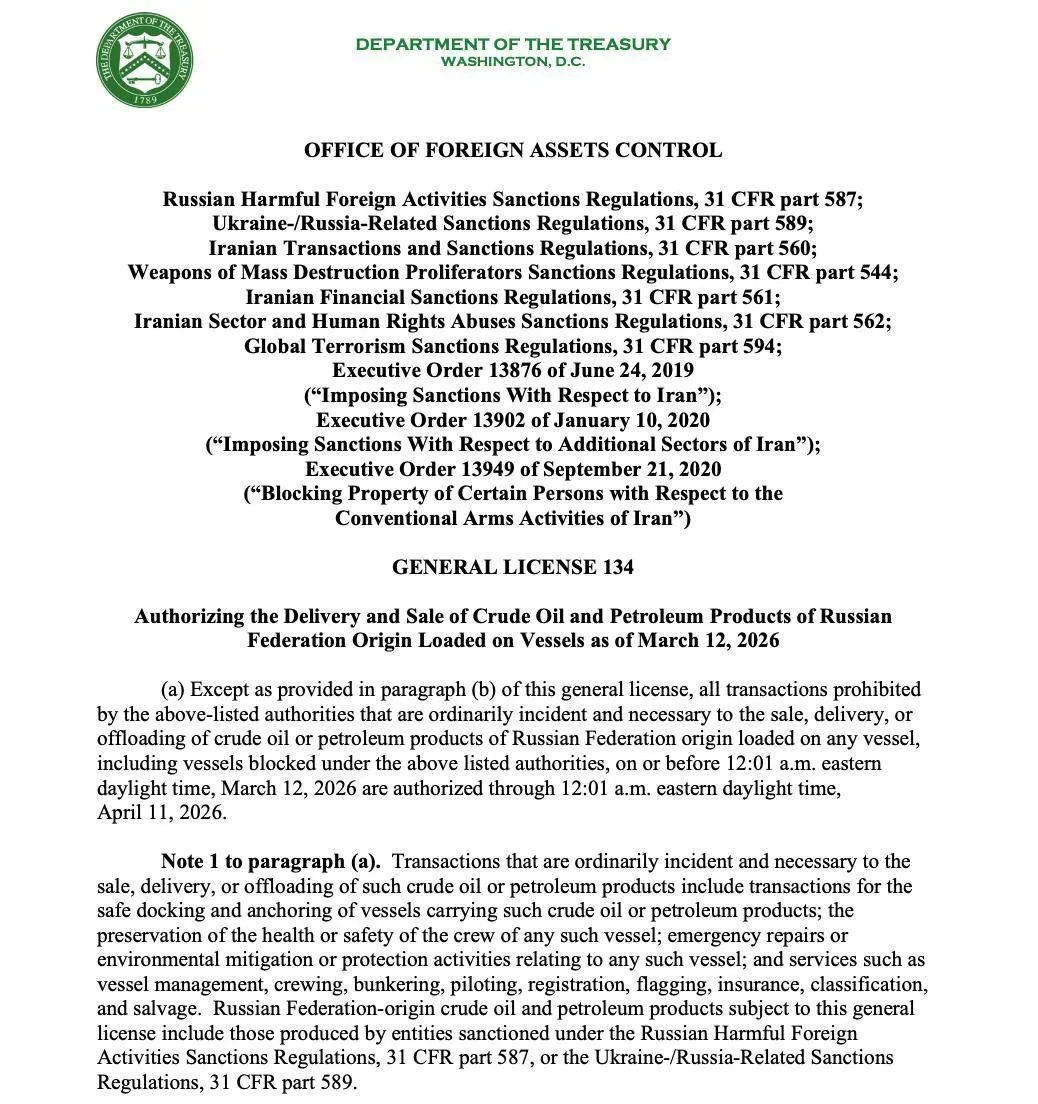
United States Secretary of the Treasury Scott Bessent assured that this “short-term measure” would not provide significant financial benefit to the Russian government. “To increase the global volume of existing supplies, the United States Department of the Treasury grants a temporary license for countries to purchase Russian oil that is currently stuck at sea. This limited short-term measure applies only to oil already in transit and will not bring significant financial benefit to the Russian government,” Bessent stated.
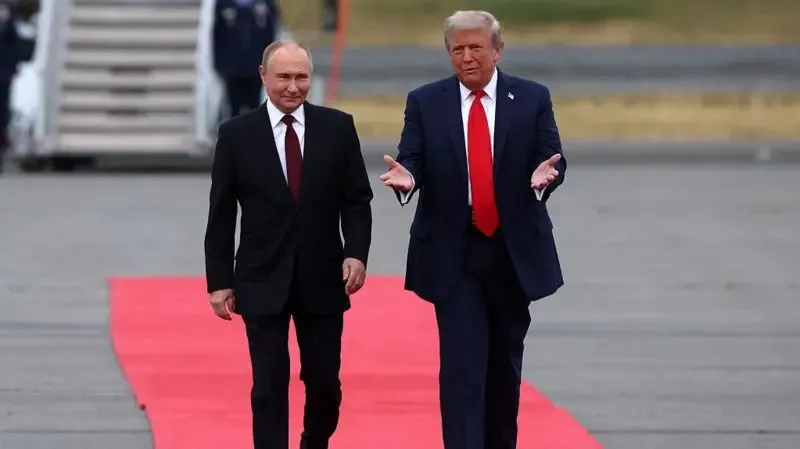
Russia – the Main Beneficiary of the Iran War
The war in the Middle East has provided record profitability for Russia. In twelve days of the conflict, Moscow reportedly earned up to two billion United States dollars in additional revenue from oil sales. Daily, Russia earns an additional approximately one hundred fifty million United States dollars.
According to financial analysts, by the end of March, the sum of revenues for the Russian budget could reach three to almost five billion United States dollars if the price of Russian Urals crude remains at seventy to eighty United States dollars per barrel.
Commenting on the easing of United States sanctions on Russian oil, Kremlin spokesperson Dmitry Peskov noted that Moscow’s and Washington’s interests “temporarily coincide.”
“We have heard statements from US representatives that this was done exclusively for oil already loaded before March 12. But there was a statement that the United States does not plan to lift any oil sanctions on Russia further. Temporarily, our interests coincide. We believe the situation threatens the growth of the crisis in the energy sector. Such measures will contribute to market stabilization. Without significant volumes of Russian oil, market stabilization is impossible,” Peskov said.
The war in the Middle East and the price shock in global markets have become a “gift” for the Kremlin, considering that in 2025 Russia lost approximately twenty percent of oil revenue due to tightening US sanctions and the drop in Urals crude prices.
At the same time, Western analysts note that Russia is unlikely to be able to quickly maximize market supply. Due to sanctions, Russian oil production has faced problems with purchasing spare parts and employing specialists, and therefore cannot easily increase deliveries. As a result, potential buyers will compete for a limited number of barrels, which could also benefit the Urals brand.
Donald Trump’s “Temporary” Decision
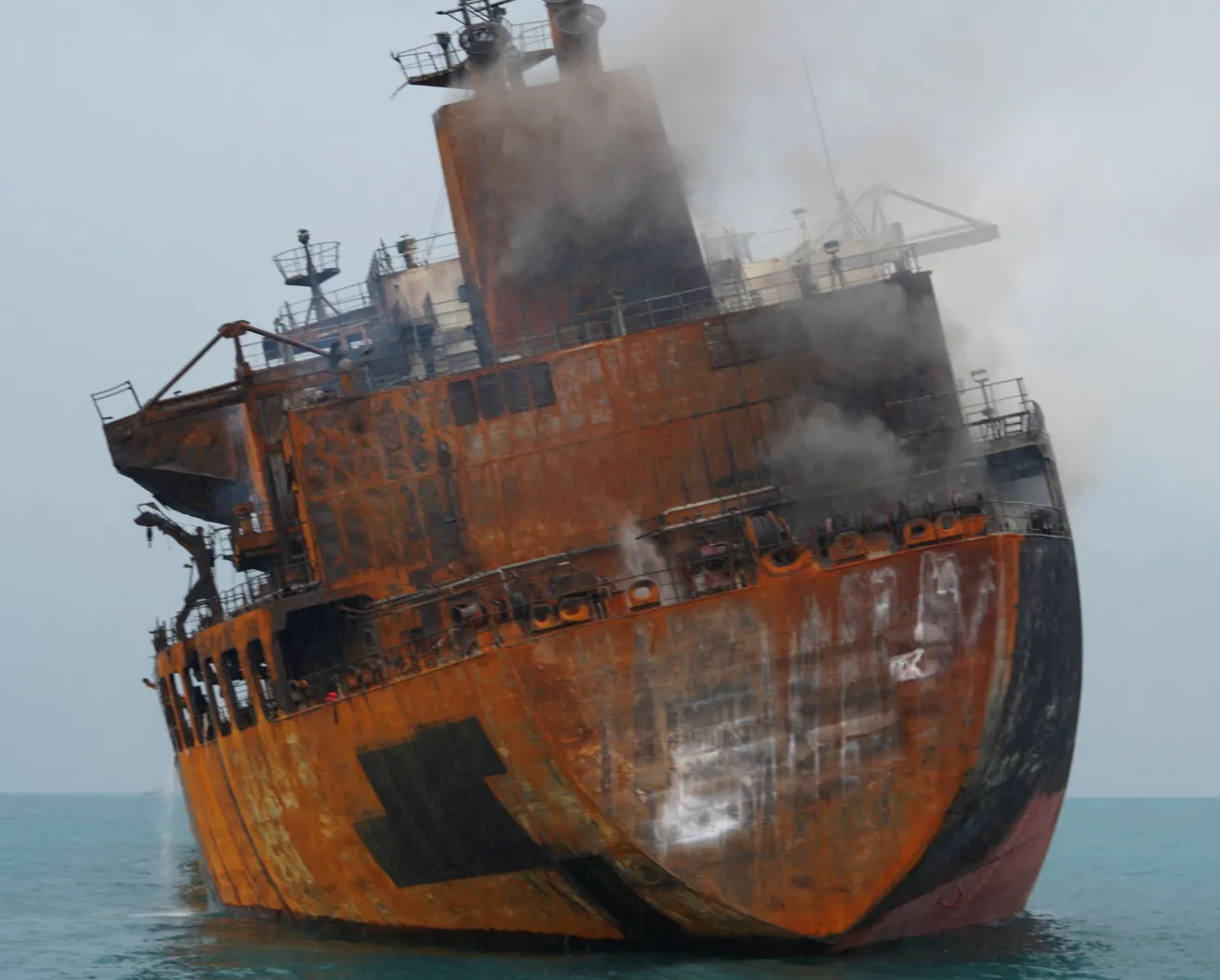
On the thirteenth day of the Middle East war, Iran blocked more than three hundred twenty vessels in the Persian Gulf. Given such substantial losses, temporarily increasing Russian oil supplies will not be a “panacea” for the market and will only compensate for four to five days of lost exports from Persian Gulf countries, according to analysts consulted by Bloomberg.
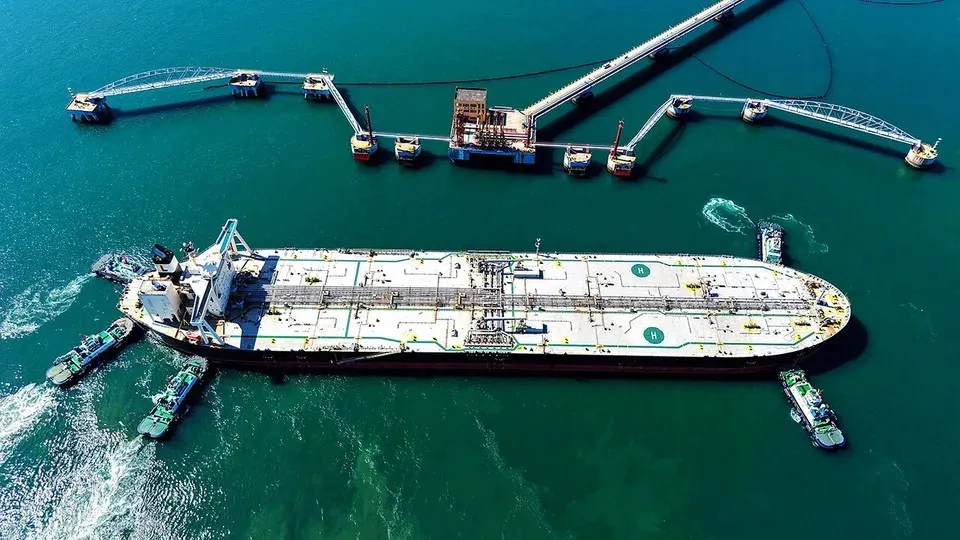
This may prompt Washington to lift the ban on Russian oil trade indefinitely. Donald Trump, commenting on the permit for India to purchase Russian oil, hinted that the decision could remain in force until the Strait of Hormuz is unblocked. He also did not rule out extending the easing of sanctions to new Russian oil production and to other buyers.
However, Donald Trump’s plans may face serious resistance both within American politics and from external partners. Responding to concessions by the White House regarding Russia, a group of Democratic senators has already initiated an investigation and demands the restoration of restrictions on the Russian oil sector.
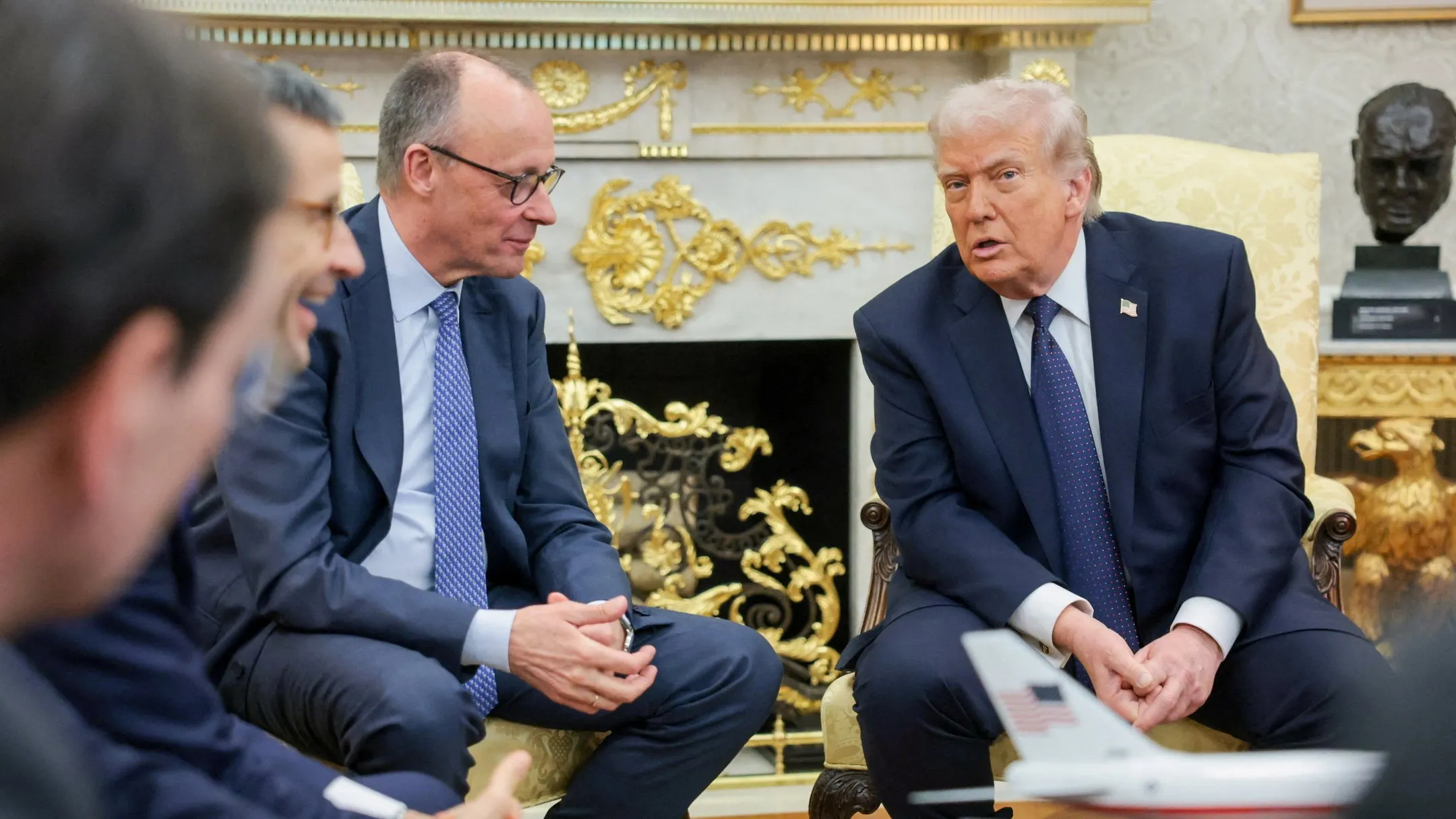
The easing of United States sanctions is also opposed by members of the Group of Seven. This was confirmed by German Chancellor Friedrich Merz, who stated that in a meeting with the United States President, six members of the Group of Seven “were absolutely united in the opinion that this is the wrong signal.” He also emphasized that the problem is not a shortage of supply, but the price of oil.
“In this context, I would like to know what other motives prompted the United States government to make this decision. After all, it is temporary. And above all this stands the question: when will this war end and by what strategy will it be concluded? Real answers to these questions have not yet been provided,” stated Chancellor Merz, noting that it is also necessary to ensure that “Russia does not use the war in Iran to weaken Ukraine.”
President of Ukraine Volodymyr Zelensky, who criticized the anti-sanctions actions of the United States, reminded that Russia uses oil revenues also to produce drones. These same drones attack neighboring Arab countries and United States military bases. Zelensky emphasized, “Ultimately, lifting sanctions only to have more drones fired at you is, in my view, not the right decision.”


