
Brazil's Indigenous Youth Raise Awareness About Climate Change Through Art and Social Media
Young members of Brazil’s indigenous communities are using social media, music, photography, and dance to raise awareness about the impacts of climate change and defend their territories. UN News reported this ahead of the International Day of the World’s Indigenous Peoples, observed on August 9.
Dancer and entrepreneur Marciele Albuquerque, a member of the Munduruku people, grew up in Juruti in the Brazilian Amazon. According to her, the region is getting hotter every year, and the fruits that used to be harvested near the settlement have become scarcer. Now they have to search for them much farther away. She also spoke about the increasing frequency of droughts and floods.
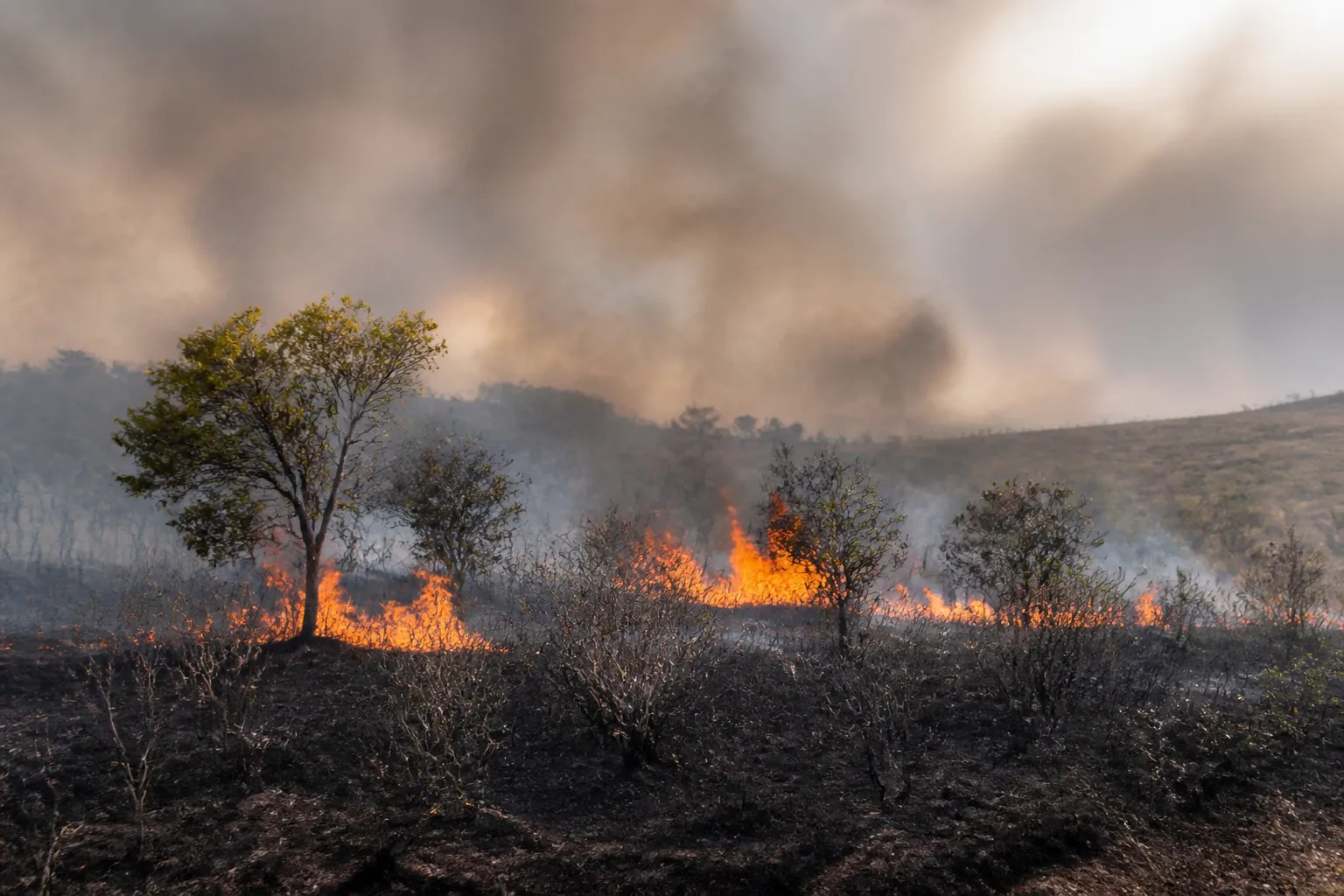
Photographer and communicator Christian Variu, a representative of the Xavante people from the Parabubure territory in the state of Mato Grosso, speaks about the increasingly intense fires in the Cerrado biome. According to him, uncontrolled fires are disrupting the Xaván people’s food chain and leading to the appearance in their communities of foods that are not nutritious, which is affecting people’s health.
For more breaking news, follow the UA.News Telegram channel.
The UN notes that more than 370 million indigenous people worldwide are already feeling the effects of climate change. Albuquerque, Variu, and singer-songwriter Kaé Guajajara are participants in the UN’s Verified initiative, which aims to combat climate misinformation.
Kaé Guajajara was born in Mirinzal, in the state of Maranhão, and grew up in the Maré favela in Rio de Janeiro. She believes that music helps raise awareness about deforestation, land loss, and the forced displacement of Indigenous peoples. The singer also calls for stronger government policies to support Indigenous communities in cities, where about half of Brazil’s Indigenous population currently lives.
In 2026, Marciele Albuquerque became the first Indigenous woman to be crowned Cunhã-Poranga—the holder of the highest female cultural title at the Parintins Folklore Festival. She earned the title while performing with Boi Caprichoso. According to young leaders, a presence in the digital space is a crucial component of the struggle for the visibility and rights of Indigenous peoples.


