
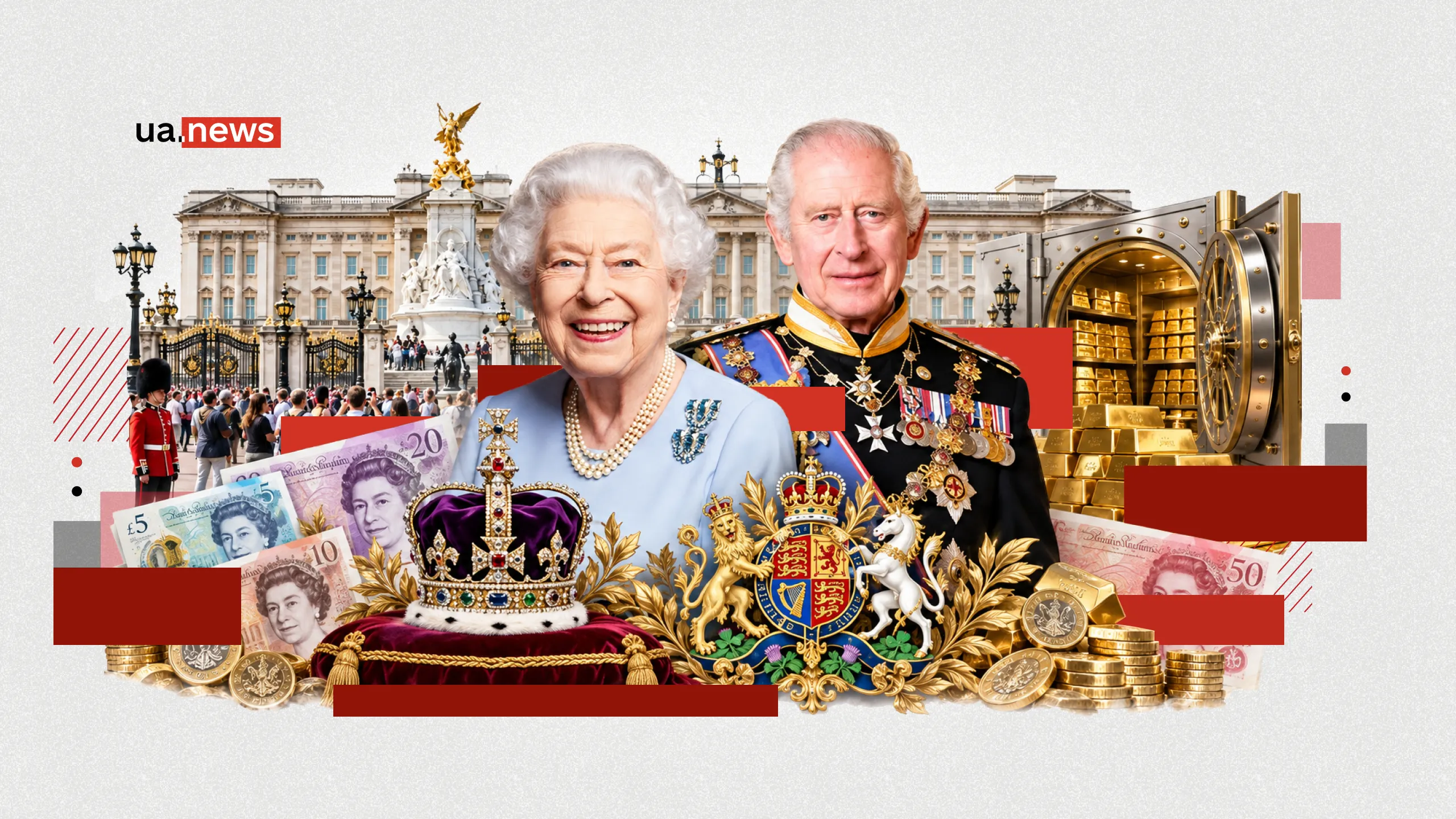
September 8 marked the fourth anniversary of the death of Queen Elizabeth II. She died on September 8, 2022, at Balmoral Castle in Scotland at the age of 96, bringing to a close the longest reign in the history of the British monarchy—more than 70 years. After her death, the throne passed to her eldest son, Charles III, and along with the crown, he gained access to a complex financial system that had been shaped over centuries.
From the outside, it looks like a massive family business with palaces, castles, estates, paintings, and jewels worth tens of billions of pounds. In reality, things are much more complicated. Buckingham Palace cannot simply be sold, the Crown Estate is not the king’s personal property, and the monarch merely preserves most of the items in the famous Royal Collection for future generations. At the same time, the royal family does indeed have private real estate, investments, and sources of income that are inaccessible to ordinary Britons.
UA.News explains how much the British monarchy is actually worth, what Elizabeth II left to Charles III, how much the British spend each year to maintain the Crown, and whether it brings in more money for the state than it costs.
The British monarchy is worth tens of billions, but most of that money does not belong to the king
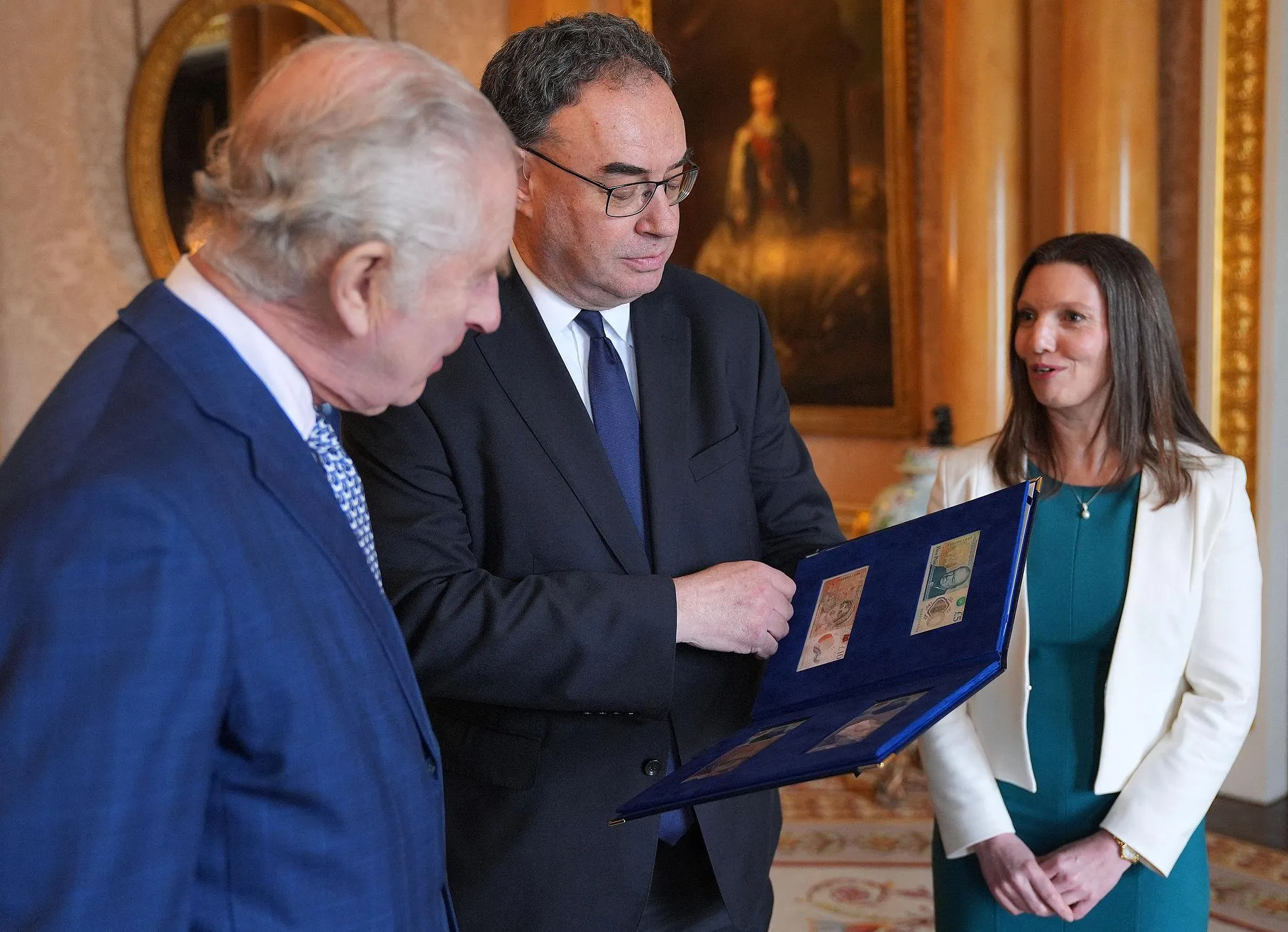
The most complicated aspect of the British monarchy’s finances is understanding the difference between the king’s property and the Crown’s property. Formally, Charles III controls a vast amount of land, real estate, works of art, and other assets. However, he cannot dispose of a significant portion of this property as an ordinary owner would.
One of the best-known examples is the Crown Estate. It is a vast portfolio of commercial real estate, land, farmland, and seabed off the coasts of England, Wales, and Northern Ireland.
According to the Crown Estate’s latest report, as of the end of the 2025/2026 fiscal year, the organization’s net asset value stood at £16.7 billion, while its real estate portfolio alone was valued at £14.5 billion. The Crown Estate manages, among other things, high-value commercial real estate in central London, vast tracts of land, and seabed rights for offshore wind energy.
But King Charles III cannot sell the Crown Estate and pocket £16 billion. Since the 18th century, the proceeds from these assets have been transferred to the state. Today, the Crown Estate is managed by an independent board, and the funds generated go to the British Treasury.
In 2025, the Crown Estate generated approximately £0.5 billion in net revenue for the state. Over the past ten years, the organization has contributed about £5 billion to public needs.
How much do Britons pay each year to support the king, the palaces, and the royal family?
In exchange for the Crown Estate’s revenue, the British monarchy receives the Sovereign Grant from the government, which funds the King’s official duties, staff, travel, and the upkeep of working royal residences.
In the 2025/2026 fiscal year, the grant amounted to £132.1 million. This is a significant increase compared to £86.3 million the previous year. However, nearly half of this money did not go directly toward the day-to-day expenses of the royal family. According to Buckingham Palace’s financial report, £67.5 million was spent on the preservation and renovation of the official royal palaces. A significant portion of the expenses is related to the decade-long renovation of Buckingham Palace.
The project began back in 2017. The building required virtually a complete rewiring, as well as the replacement of pipes, boilers, and heating and plumbing systems—many of which had not undergone a major overhaul since the 1950s.
The total amount of additional funding for this renovation was estimated at £369 million. The work is scheduled to be completed in 2027. After that, funding for the Royal Household is set to decrease: it has already been determined that, starting in 2027, the Sovereign Grant will amount to £99.9 million per year for the next five-year period.
In 2026/2027, the grant will still amount to £137.9 million—primarily due to the final phase of Buckingham Palace’s renovation.
However, Charles III himself does not plan to make Buckingham Palace his permanent private residence once the renovations are complete. It is to remain, first and foremost, the ceremonial center of the British monarchy, the workplace of the royal household, and a historic landmark.
What Elizabeth II Actually Owned Privately and How Much Charles III Inherited
Unlike the Crown Estate or Buckingham Palace, Elizabeth II also had genuine private property, which she could dispose of much more freely. We likely won’t know the exact amount of her estate for a very long time. The wills of British monarchs are traditionally not made public, and the details of Queen Elizabeth II’s estate remain confidential.
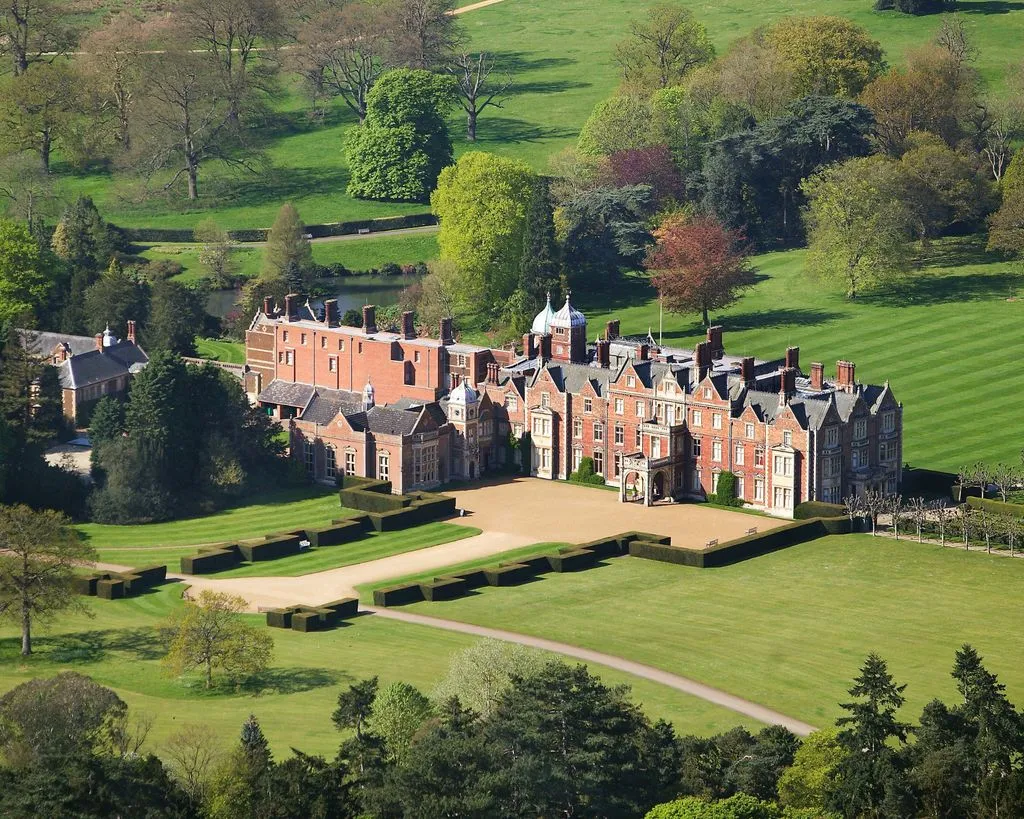
After her death, Forbes estimated the queen’s private assets at approximately $500 million. These included the two most famous private royal residences — Balmoral in Scotland and Sandringham in England — as well as investments, horses, works of art, jewelry, and one of the world’s most valuable stamp collections. This is where the line is drawn—a distinction often lost in headlines about the “billions of the British royal family.”
Buckingham Palace belongs to the Crown. It was not the private property of Elizabeth II, nor did it become the personal property of Charles III. Windsor Castle is also part of the property the monarch holds in her capacity as head of state.
Balmoral and Sandringham, on the other hand, are private property. That is why Elizabeth was able to bequeath them to her son. The situation is similar with the art collection. The vast Royal Collection—which includes paintings by old masters, furniture, sculptures, manuscripts, jewels, and other items accumulated by the royal family over the centuries—is not Charles III’s personal collection. The monarch holds it as sovereign for his successors and the country.
At the same time, there was also Elizabeth’s private collection, which could have passed to Charles as a regular inheritance.
Why Charles III Did Not Pay the Usual Tax on Elizabeth II’s Multimillion-Dollar Inheritance
Another peculiarity of the British monarchy concerns taxes. An ordinary British citizen who receives a large inheritance is, under certain conditions, subject to inheritance tax. The transfer of private property from one monarch to the next follows different rules.
An official memorandum on the taxation of the royal family states that private assets passed from one sovereign to the next are not subject to inheritance tax. The government explains this by noting that private residences such as Balmoral and Sandringham also serve official functions, and the monarchy must maintain a certain degree of financial independence from the government.
In other words, if Forbes’ estimate of approximately $500 million is close to reality, Charles III could have inherited these assets without paying the standard inheritance tax. This does not mean that the king pays no taxes at all.
Legally, the monarch has special status, but since 1993, British monarchs have voluntarily paid income and capital gains taxes under special agreements with the government. The British Treasury explains that these rules also apply to King Charles III.
In 2026, Buckingham Palace released specific figures for the first time: since ascending to the throne, Charles III has paid over £30 million in taxes. For the 2023/2024 fiscal year, his tax bill totaled £11.7 million, and for 2024/2025, it was £12.9 million.
The Duchy of Lancaster brings Charles III tens of millions of pounds in revenue each year
A separate source of the royal family’s funds is the Duchy of Lancaster. This is a portfolio of land, real estate, and other assets that has existed for over seven centuries and traditionally provides private income for the reigning British monarch.
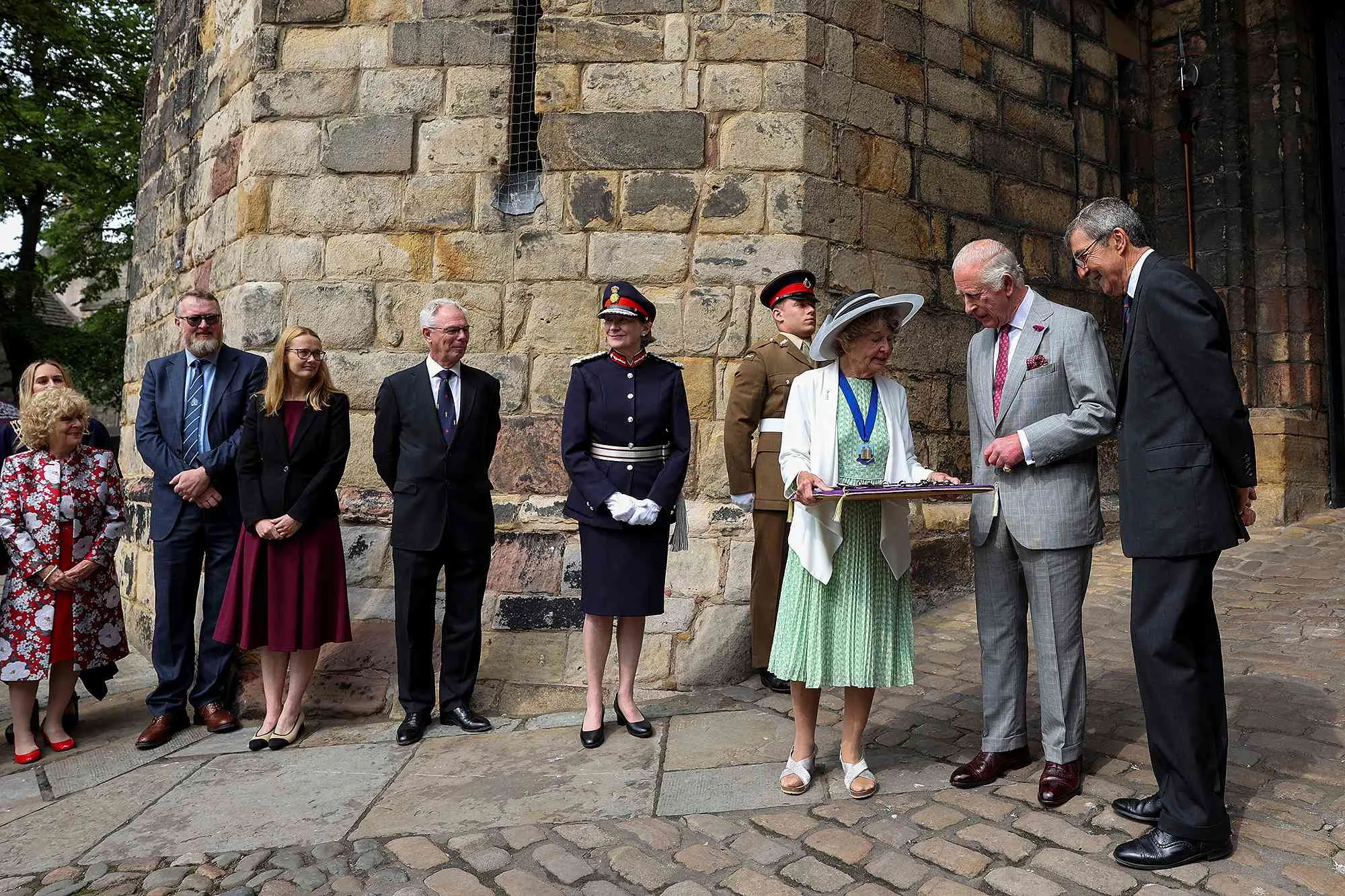
According to the results of the fiscal year ending March 31, 2026, the net asset value of the Duchy stood at £687.3 million. The adjusted net surplus rose to £25.2 million, up from £24.4 million a year earlier.
This money forms the so-called Privy Purse—the monarch’s private income. A portion is used for expenses not covered by the Sovereign Grant, and any income not spent on official purposes is subject to voluntary taxation by the king.
The heir to the throne has a similar system. The Duchy of Cornwall provides income to Prince William as Prince of Wales. In 2025/2026, it generated a distributable surplus of £21.6 million.
In other words, the British monarchy is not funded by a single “royal budget.” In fact, there is a parallel system comprising government funding for official duties, income from the historic duchies, the private assets of family members, and separate entities that manage royal heritage sites and collections.
Royal palaces attract millions of tourists every year
The most common argument made by supporters of the monarchy goes something like this: the royal family may be expensive to maintain, but it generates even more revenue for the country through tourism. Part of this argument has a clear economic basis.
According to the Royal Collection Trust, in 2025/2026, the official royal residences and galleries welcomed over 2.7 million visitors. Windsor Castle alone was visited by about 1.267 million people, Buckingham Palace by 590,000, Holyroodhouse in Edinburgh by 469,000, and the Royal Mews by another 163,000.
And these figures only include people who purchased tickets to Royal Collection Trust sites. For example, the area around Buckingham Palace sees a significantly higher volume of tourists—millions of people pass by the building without actually going inside.
The Royal Collection Trust operates as a charitable organization without direct government funding: revenue from tickets, shops, and other activities is used to maintain the collection and the royal sites open to tourists.
It is much more difficult to quantify the broader impact of the royal family itself. Back in 2017, the consulting firm Brand Finance valued the entire British monarchy as a hypothetical business at £67.5 billion, with its annual contribution to the British economy estimated at approximately £1.77 billion. In particular, about £550 million of that estimate was attributed to the additional impact on tourism. The Brand Finance study also included the impact on British brands, the media, the arts, commerce, and companies holding Royal Warrants.
However, this figure should not be taken as the current market valuation of the monarchy: the study was conducted nearly ten years ago, and there is no exact modern equivalent. Furthermore, it is impossible to say with certainty how many tourists came to London specifically because of the monarchy and how many would have visited the United Kingdom anyway, even without the king.
Elizabeth II left behind a financial system that is nearly impossible to quantify with a single figure
That is precisely why the question “how much is the British royal family worth?” has no single correct answer. If we consider only Elizabeth II’s private estate, external estimates put the value at hundreds of millions of dollars.
If we add the Duchy of Lancaster, the value of the assets that provide the monarch’s income exceeds £680 million. If we include the Crown Estate, another £16.7 billion in net assets comes into play—though these do not belong to Charles III as a private individual and primarily generate revenue for the state.
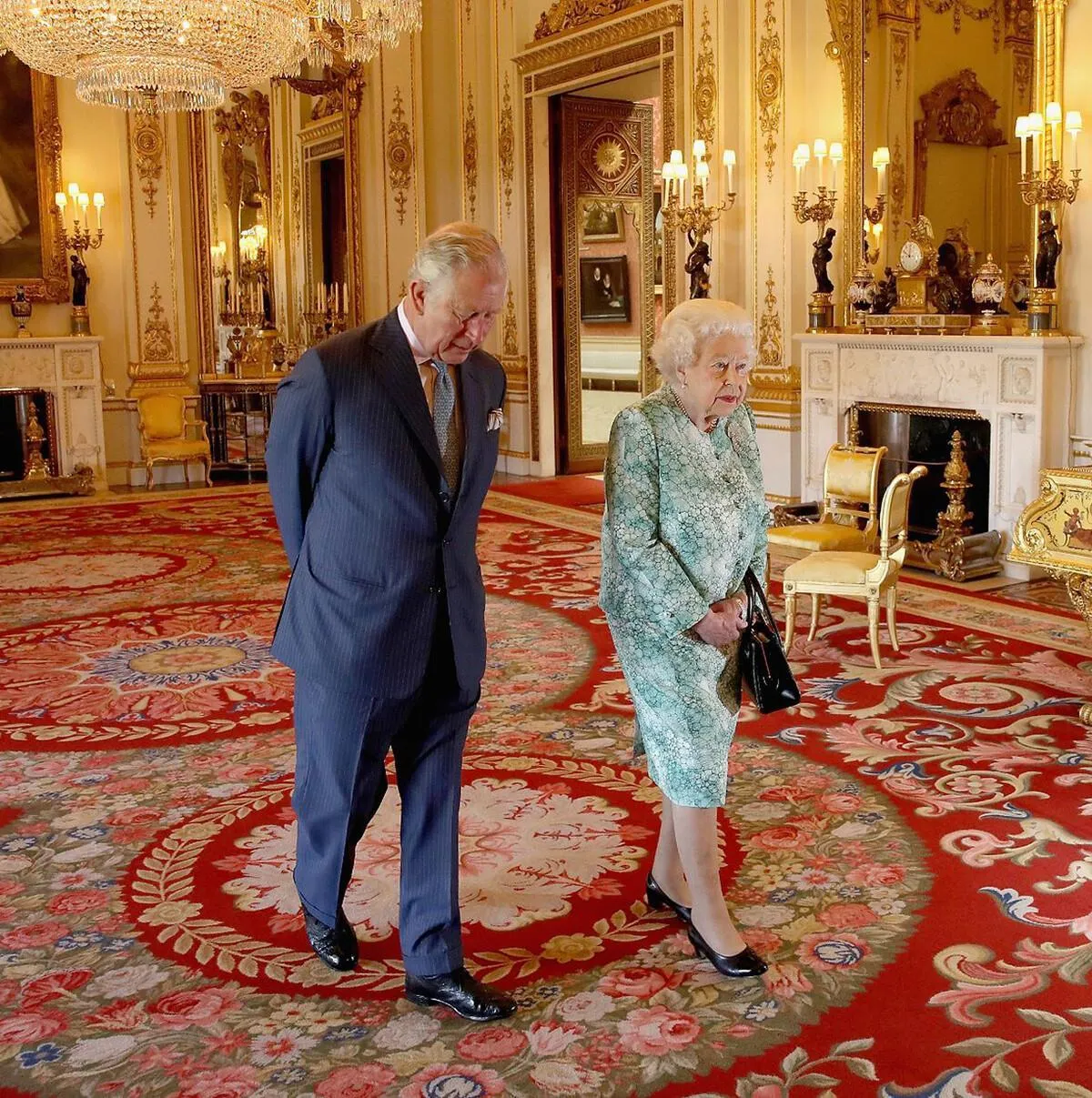
Then there are the palaces, the Royal Collection, lands, and other historic properties, which could be valued in the billions but cannot simply be put up for sale by the king. On the other hand, there are expenses. In the current fiscal year, the British government will allocate £137.9 million to the royal household, although a significant portion of this amount is tied to the completion of the renovation of Buckingham Palace. Starting in 2027, funding is scheduled to be reduced to £99.9 million per year.
Therefore, the British monarchy resembles not so much a company as a complex holding company in which private funds are intertwined with state property, historical endowments, real estate, tourism, and the symbolic value of the British brand.
Over the course of her 70-year reign, Elizabeth II became the central figure in this system. Four years after her death, the name on banknotes, the monarch’s portrait, the titles, and the head of the royal family have all changed. But the Crown’s financial machine continues to operate under virtually the same rules that were established long before Elizabeth and will most likely outlive many more British monarchs.


