
Met Office: El Niño is likely to be the strongest since the 19th century
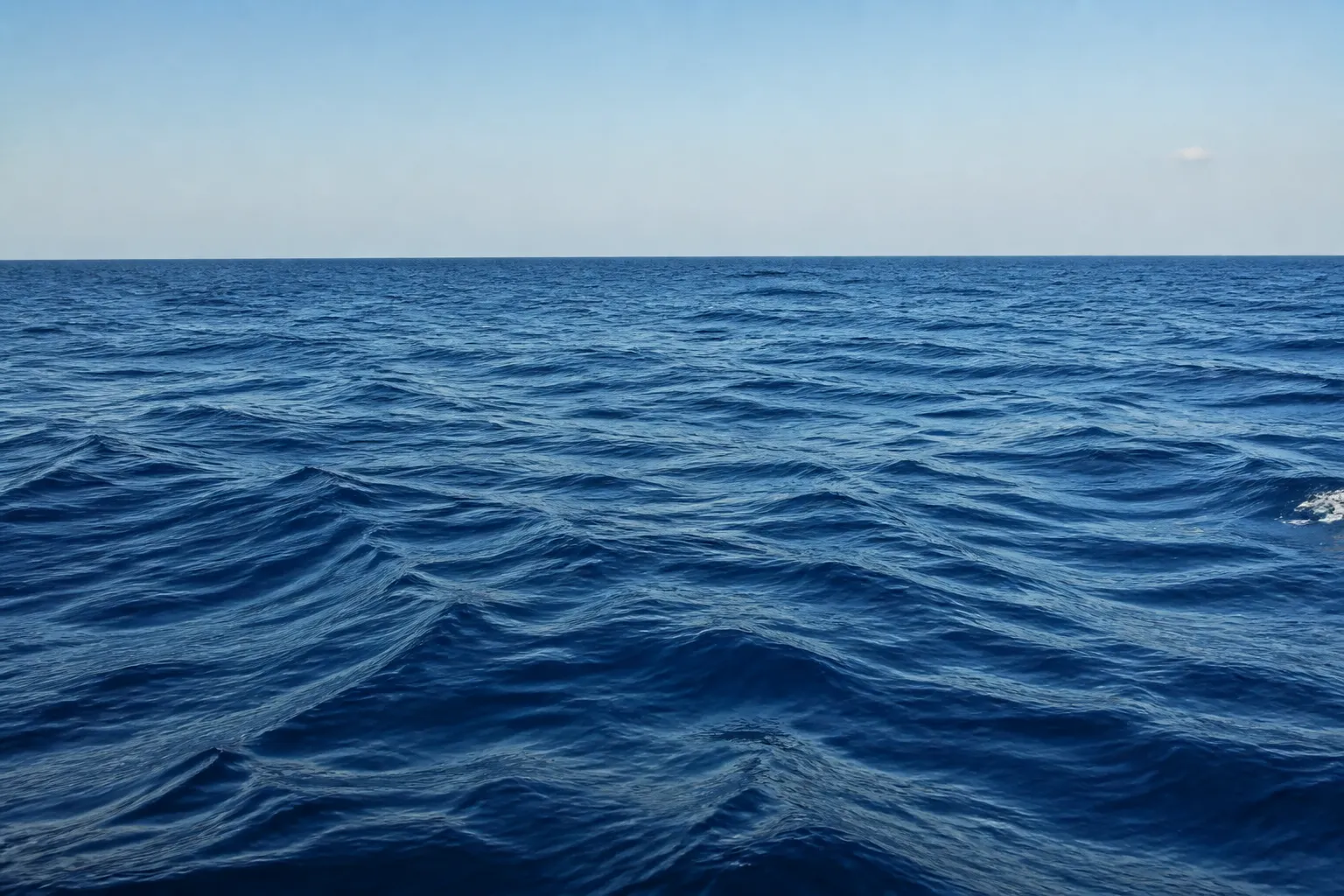
El Niño, which is developing in the Pacific Ocean, is likely to be the strongest in the lifetimes of current generations. The British Met Office predicts that the combination of this natural phenomenon and human-induced climate change will, with very high probability, make 2027 the warmest year on record, according to BBC News World.
El Niño occurs approximately once every two to seven years and usually lasts about a year. During the event, the trade winds over the Pacific Ocean, which normally blow from east to west, may weaken or change direction. This allows warm water to spread eastward, and the ocean transfers heat to the atmosphere, raising the average global temperature and altering precipitation patterns.
Scientists declare an El Niño event when sea surface temperatures in a key region of the Pacific Ocean exceed the norm by at least 0.5°C. Currently, this figure is already more than 2°C above normal. According to a Met Office forecast, later in 2026, as the phenomenon approaches its peak, the anomaly could exceed 3°C. This would be an unprecedented figure in records dating back to 1950 and would likely mark the strongest El Niño since the 19th century.
For more breaking news, follow the UA.News Telegram channel.
Adam Scife, head of long-range forecasting at the Met Office, called the event unprecedented and stated that he had never seen such an intense El Niño signal in the service’s forecasts. High temperatures in the deeper layers of the ocean may be an additional factor: in some places, at a depth of about 100 meters, they are approximately 8°C above normal.
There is evidence that the phenomenon is already affecting weather conditions in certain regions. In South Asia, monsoon rains are currently below normal levels, while changes in wind patterns in the Caribbean and the tropical Atlantic may reduce hurricane activity. For Australia, El Niño increases the risk of droughts and wildfires, while in Peru, Ecuador, and the southern United States, the threat of flooding may rise.
The World Meteorological Organization notes that there is no evidence that climate change is increasing the frequency or intensity of El Niño events. At the same time, the phenomenon is occurring in an already warmer world, so its impact on the weather may be more extreme.


