
Remains of four missing persons found during excavations in Cyprus — Cyprus Mail
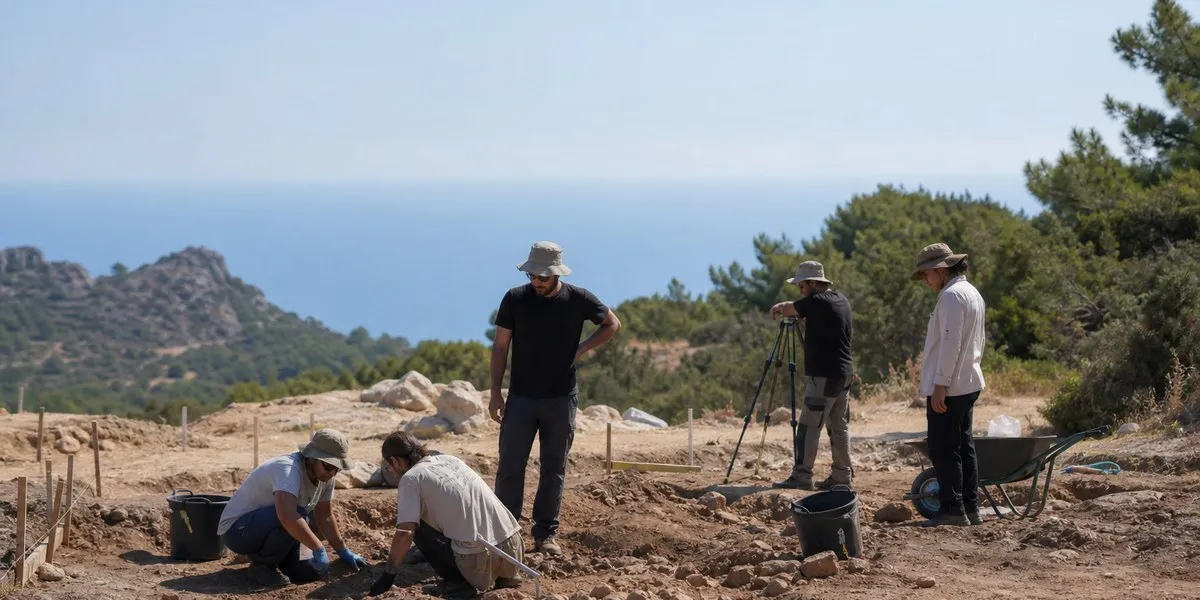
In Cyprus this week, excavations at three of eight sites uncovered the remains of four people who had been considered missing. This was reported by Cyprus Mail, citing Leonidas Pantelides, the Greek Cypriot member of the Committee on Missing Persons.
The remains of one person were found in the Ayios Georgios-Spatarikou area, and those of another person in Kalo Chorio-Kitreа. The remains of two people were discovered in Lapithos in the occupied north of Cyprus.
Excavations at eight sites
The Committee is currently conducting excavations at eight locations: Assia, Lapithos, Exo Metochi, Neo Chorio-Kitreа, Livadia in Famagusta, Yerolakkos, Ayios Georgios-Spatarikou, and a military zone in Karavas.
According to Pantelides, restrictions concerning the 25-metre zone during work in military areas were eased following pressure. The matter was also raised with UN Secretary-General António Guterres during his visit to Cyprus at the end of July.
More current news is available on the UA.News Telegram channel Telegram.
The official list includes 2,002 missing Greek Cypriots and Turkish Cypriots. At the time of the statement, 1,082 people had been identified: 765 Greek Cypriots and 317 Turkish Cypriots. Another 745 Greek Cypriots and 175 Turkish Cypriots remain on the list of missing persons. In 2026, 20 people were identified, compared with 12 throughout all of 2025.
Request for access to archives
Pantelides said that the locations of a number of large mass graves have still not been established. According to him, the search requires records from the Turkish army's medical service, which carried out collective burials in 1974, rather than the army's operational documents.
Presidential Commissioner Marios Hartsiotis called establishing the fate of missing persons a humanitarian and national duty of the state. He said that the cabinet had approved a specific building for the establishment of a permanent anthropological laboratory. Plans also include creating an ossuary for the dignified storage of the remains of identified and unidentified missing persons and fallen military personnel.
In April, the cabinet also approved the allocation of €1 million for specialised genetic research into the remains of Greek military personnel and missing persons from 1974, which had previously been treated with chemicals and could not be identified by conventional methods. The research began in June at the Cyprus Institute of Neurology and Genetics using massive parallel sequencing.




