
LGBTQIA+ clubs are being created on Australia’s Sunshine Coast due to lack of permanent space
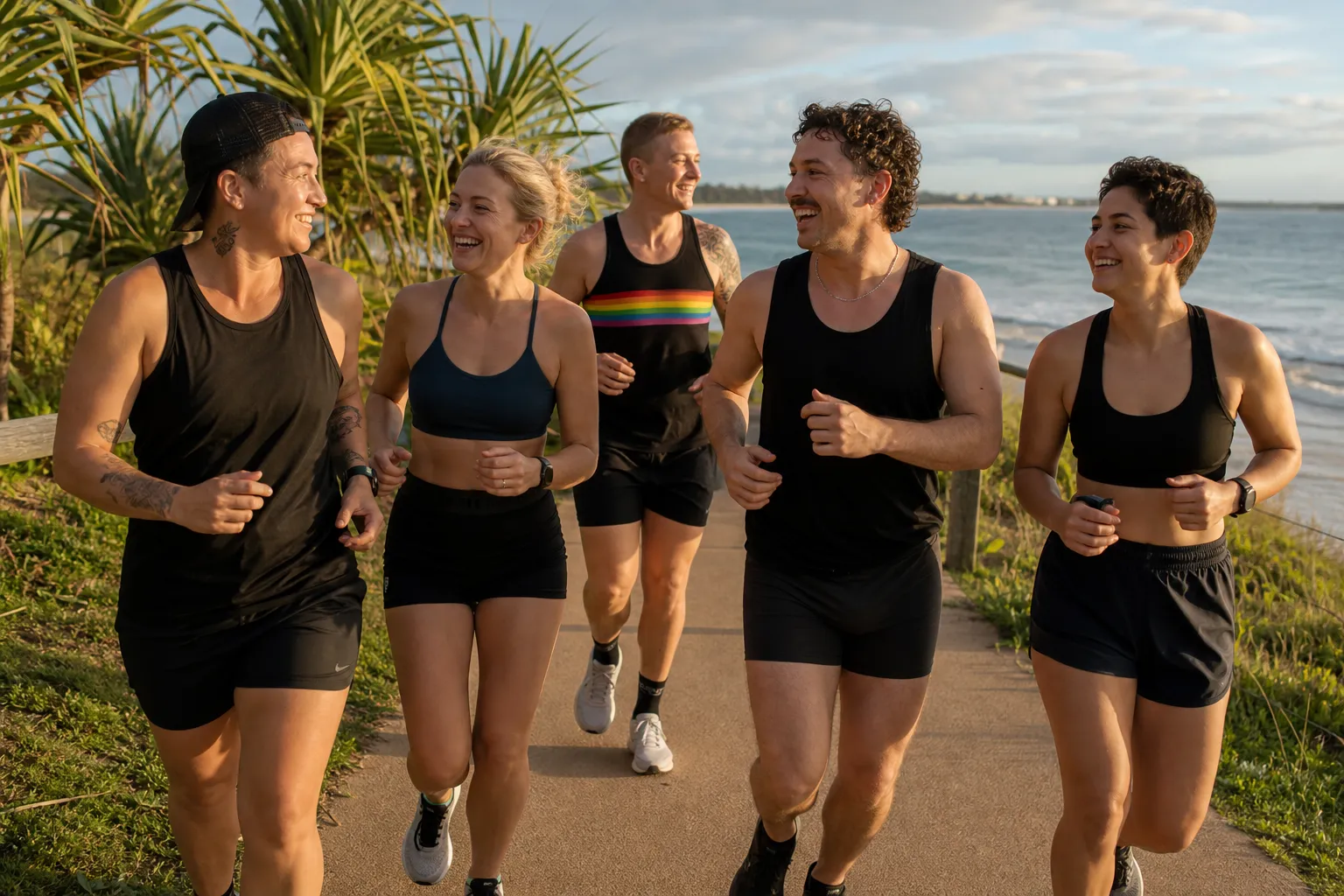
On the Sunshine Coast in Queensland, Australia, members of the LGBTQIA+ community are creating social and sports clubs due to the absence of a permanent dedicated space. As ABC News Australia reports, local initiatives bring people together for quizzes, picnics, game nights, runs and swimming sessions.
Alison Nolan and Lucy Upton founded a social club for queer women and gender-diverse people, inspired by a similar initiative in Brisbane. According to Nolan, queer people on the Sunshine Coast told her about the lack of events and spaces intended specifically for them. She stressed the importance of being able to be oneself without having to explain anything.
Social and sports initiatives
Grace Manning, who moved to the region about a year ago, started an LGBTQIA+ running club. She said she missed the queer community and described finding such an environment locally as a special experience. According to her, people may feel lonely and isolated if they do not see themselves among those around them.
More current news is available on the UA.News Telegram channel Telegram.
Two years ago, Aqualicious, a Queensland swimming club for LGBTQIA+ people that has operated in Brisbane since 2003, expanded its activities to the Sunshine Coast. Club president Isaac Gessling said the organisation deliberately does not emphasise “rainbow” symbolism and welcomes people at different stages of understanding their identity, as well as community allies.
The need for a safe environment
Gessling noted that the sporting environment can be uncomfortable and not always safe for queer people. The 2024 Free to Exist report states that young LGBTQIA+ people are 50% less likely to participate in sports clubs than the broader community. Aqualicious stresses that the club’s activities encompass not only swimming, but also shared leisure, a healthy lifestyle and socialising.
Rebecca Reynolds, executive director of the Queensland Council for LGBTI Health, said queer spaces have traditionally centred around bars and clubs, but the number of social and wellbeing groups is now growing. University of Queensland researcher James Fowler added that social connections are important for health, and that being able to see people with similar experiences can help overcome isolation.


