
In Taiwan, eDNA detects 13 additional fish species in reservoir — Taipei Times
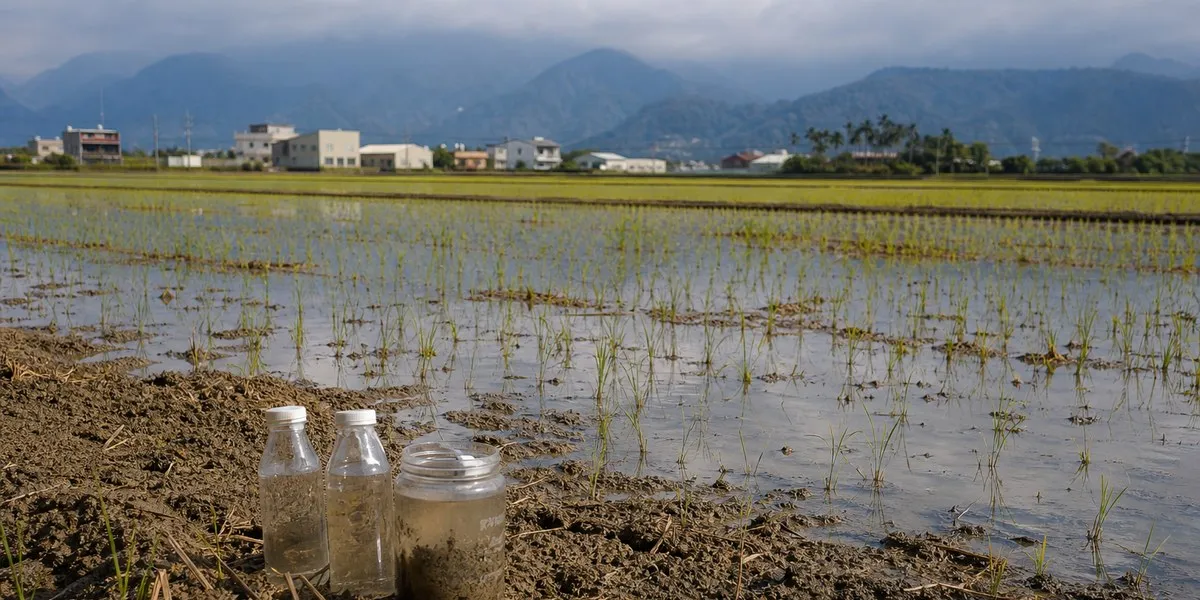
In Taiwan, environmental DNA, or eDNA, analysis detected 13 fish species in the Feitsui Reservoir in New Taipei that had not been recorded by traditional capture methods. Those methods had previously documented 23 species there, while eDNA analysis confirmed that number and added another 13, Taipei Times reports.
Reservoir study
Environmental DNA is genetic material that plants and animals leave in the environment, including through feces, urine, feathers, spores or pollen. eDNA studies typically analyze soil or water samples, and the DNA sequences found are compared with large reference databases. This approach makes it possible to detect species without directly capturing or observing them.
The authors of the Feitsui Reservoir study noted that capture methods may be biased toward large invasive species, while eDNA metabarcoding more often detects native and small species. Species recorded only through eDNA included the largemouth bass Micropterus salmoides and the blue tilapia Oreochromis aureus, which scientists described as high-risk invasive species.
The results also indicate that native fish have not completely disappeared from the body of water. Researchers suggest that their conservation may be supported by the reservoir's ecological connection with the upper tributaries of the Beishi River.
More current news is available on the UA.News Telegram channel Telegram.
Sea and rice fields
The technology was also used to study Taiwan's marine ecosystems. Scientists at National Sun Yat-sen University collected seawater samples at 10 coastal locations, including near the island's northern and northeastern coasts, the Penghu archipelago, Xiaoliuqiu Island and Green Island. Hard corals and benthic organisms were detected more frequently in southern waters, while the greatest diversity of copepods was recorded in the north.
In Chiayi County, researchers analyzed water and soil from eight rice fields and obtained 1.01 million DNA sequences suitable for analysis. After unclassified results were removed, 93% of the sequences were assigned to arthropods and nearly 6% to annelid worms. The samples found Asian rice stem borer, Formosan termite, golden apple snail and the mosquito Culex tritaeniorhynchus, a carrier of the Japanese encephalitis virus, in high abundance.
Scientists note that eDNA methods can be faster and cheaper than conventional monitoring, but they have limitations. The amount of DNA in samples is affected by organisms' life stage and activity, temperature, ultraviolet radiation and microbial activity, while currents can carry DNA far from its source.




