
Norway Will Continue Oil Production in the Arctic Despite the EU's Stance — Reuters
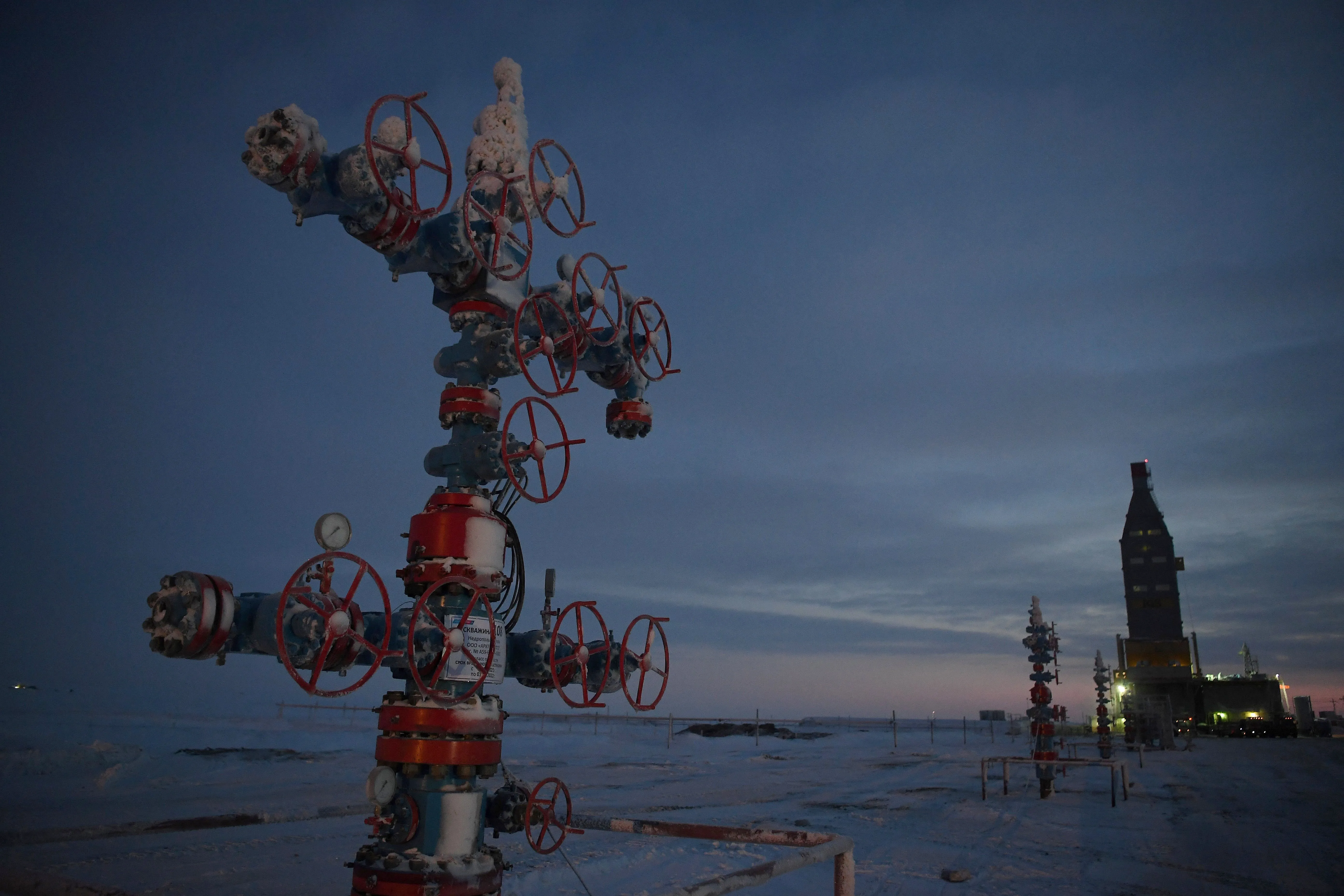
Norway will continue to develop oil and gas fields in the Barents Sea, even if the European Union maintains its support for a ban on new drilling in the Arctic. Oslo believes that the development of Arctic resources is necessary to maintain the country’s role as one of Europe’s key energy suppliers.
Norwegian Energy Minister Terje Asland stated that the country intends to maintain current levels of oil and gas production and exports until at least 2035. The Barents Sea is set to play a crucial role in this regard, as energy production could decline significantly after 2030 without the discovery and development of new fields.
Since the start of Russia’s full-scale war against Ukraine, Norway has become the largest supplier of natural gas to Europe. Currently, the country meets about 30% of the EU’s and the United Kingdom’s gas needs.
The European Union opposes new drilling in the Arctic due to environmental risks, but officials in Brussels are considering revising this policy in light of energy security concerns. At the same time, Norway insists that it has the sovereign right to manage its own resources independently.
According to Asland, the areas of the Barents Sea open to oil operations do not have permanent ice cover. Oslo also emphasizes that the development of these fields is crucial for preserving jobs and developing the country’s northern regions.
If the EU refuses to purchase oil and gas produced in the Arctic, Norway will be able to redirect its supplies to other global markets. In particular, gas can be exported in the form of liquefied natural gas.
In addition, the Norwegian minister stated that the country no longer considers itself Europe’s “green battery.” According to him, Norway is unable to balance the European energy market on its own and does not plan to build new cross-border energy interconnections, although it will continue to cooperate with Europe in the energy sector.
Source: Reuters.
As a reminder, Norway will maintain its aid to Ukraine at $9 billion.
Khmara discussed cooperation on defense projects with his counterparts from Sweden and Norway.


