
Just a few years ago, the phrase “cancer vaccine” sounded more like a promise of the distant future. Cancer is not a single disease, but rather hundreds of different conditions that arise from various mutations, behave differently, and can even have completely different sets of genetic changes in two people with the same diagnosis.
That is precisely why creating a single universal injection that would protect against all tumors—just as a vaccine protects against measles or polio—proved to be practically impossible.
But on August 19, 2026, Moderna and Merck reported positive results from Phase III trials of the personalized mRNA therapy intismeran autogene in patients with high-risk melanoma. The drug is tailored individually for each patient and is used in combination with the immunotherapy Keytruda.
That said, it is still too early to claim that humanity has already received a ready-made “cancer vaccine.” The companies have only released the study’s main results, and detailed data are yet to be presented at a scientific conference. The drug also remains experimental and must undergo regulatory review.
UA.News explains why developing a cancer vaccine has proven much more difficult than developing a vaccine against viruses, how the COVID-19 pandemic has accelerated the development of mRNA technologies, what a personalized vaccine entails, and which types of cancer scientists are already trying to treat using this method.
Why Is It So Difficult to Develop a Cancer Vaccine?

A conventional vaccine has a relatively straightforward purpose. The body needs to be exposed to a specific characteristic of a virus or bacterium so that the immune system can recognize it. When the actual pathogen enters the body, the immune system recognizes the foreign object and quickly attacks it.
With cancer, the situation is fundamentally different.
A tumor arises from a person’s own cells. These cells accumulate mutations, lose their ability to control cell division normally, and gradually acquire properties that allow them to evade the immune response. For the immune system, this is a much more complex target: it must distinguish a dangerous cell from the billions of normal cells in the same body.
Furthermore, there is no single “cancer antigen.” Breast cancer, melanoma, pancreatic cancer, or lung cancer can have completely different molecular characteristics. Even two tumors of the same type in different people may consist of cells with different mutations.
The problem exists even within a single tumor. As cancer develops, its cells continue to mutate. As a result, one part of the tumor may have one set of genetic changes, another part may have a different set, and metastases may differ from the primary tumor.
This phenomenon is called tumor heterogeneity, and it is one of the reasons why cancer is so difficult to treat. There is another problem as well. Tumors can suppress the immune response. They can create an environment around themselves in which T cells function less effectively, or use molecular mechanisms that essentially tell the immune system to “stand down.”
That is why modern cancer vaccines are often tested in combination with drugs that help remove these “brakes.”
A cancer vaccine does not always mean prevention
It’s important to distinguish between two different concepts here. We already have vaccines that can prevent certain types of cancer. For example, vaccination against the human papillomavirus (HPV) reduces the risk of cervical cancer and other HPV-related cancers. The hepatitis B vaccine, in turn, reduces the risk of developing some cases of liver cancer.
However, these vaccines protect people against viruses that can cause cancer, not against the cancer itself. Therapeutic anticancer vaccines have a different purpose. They are given to people who currently have or have had cancer to train the immune system to better identify and destroy cancer cells.
The idea itself is far from new. For decades, scientists have been trying to use tumor fragments, proteins, antigens, and immune cells to trigger an anti-cancer response.
As early as 2010, the U.S. regulatory agency approved sipuleucel-T for certain patients with advanced prostate cancer. To create it, certain immune cells are harvested from a patient, processed in a laboratory, and reintroduced so that they help the immune system respond to the tumor.
Not just finding a single antigen, but creating a vaccine tailored to a specific tumor
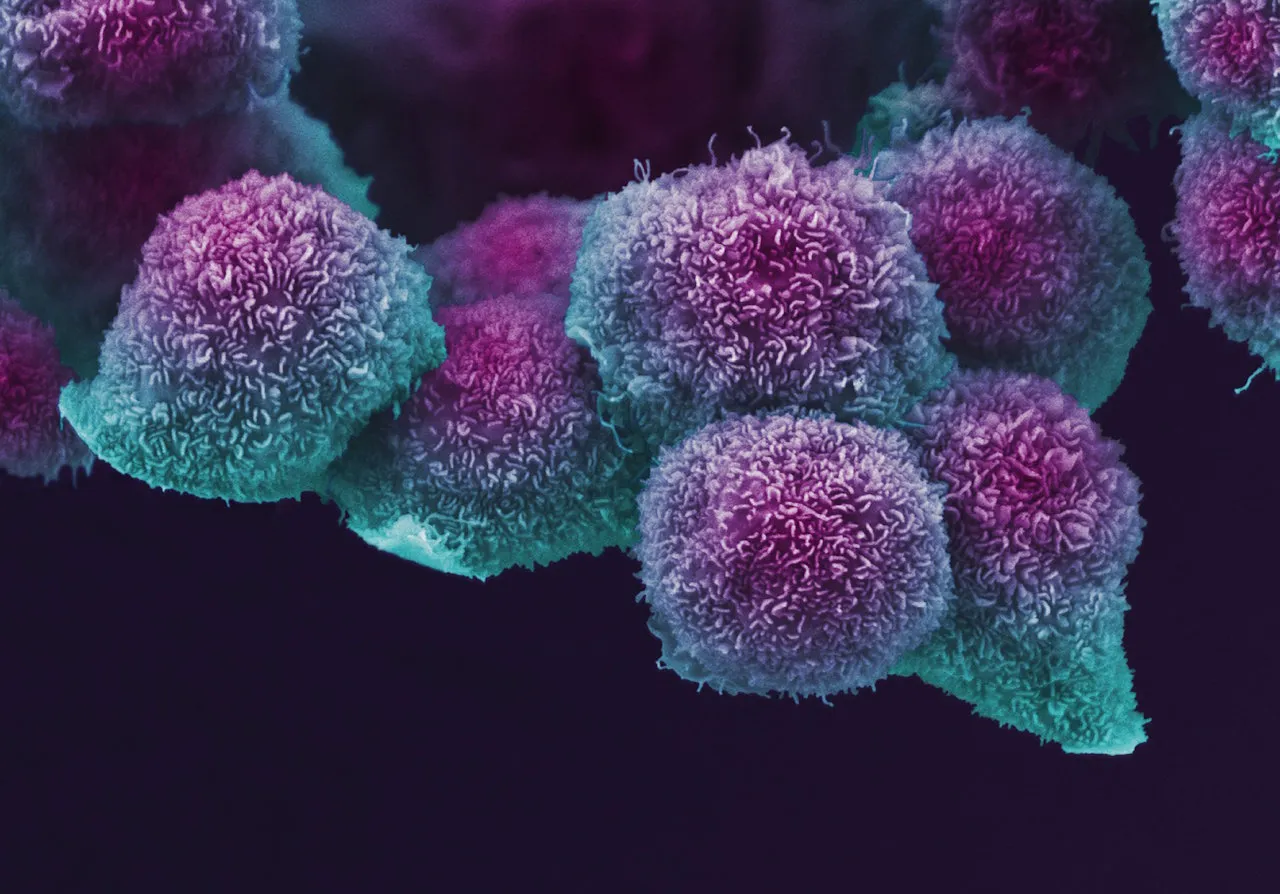
Neoantigens have become the key concept behind the new wave of personalized vaccines. When a normal cell turns into a cancer cell, mutations accumulate in its DNA. Some of these mutations lead to the appearance of altered proteins that normal human cells do not have.
Fragments of these proteins can act as “flags” that allow the immune system to distinguish the tumor from healthy tissue. These are what are called neoantigens.
The logic behind a personalized vaccine is to identify the most promising neoantigens of a specific tumor and present them to the immune system.
To do this, a cancer sample is obtained after surgery or a biopsy. Next, the DNA of the tumor and healthy cells is sequenced, and the results are compared. Algorithms identify the mutations present specifically in the tumor and then predict which of them T cells are most likely to recognize.
After that, an mRNA molecule is created that contains the instructions for producing the corresponding antigens.
After the drug is administered, the cells read the mRNA and produce the specified protein fragments. The immune system becomes familiar with them, and T cells have the opportunity to learn to identify tumor cells with the same characteristics.
Therefore, two patients with a formally identical diagnosis may receive vaccines with completely different compositions.
What Happened with the Moderna and Merck Vaccines
The biggest breakthrough today is associated with the drug intismeran autogene, formerly known as mRNA-4157 or V940. It is not used in place of standard treatment.
In the study, patients first had their melanoma completely removed, after which they received the personalized drug in combination with pembrolizumab—Keytruda. Keytruda belongs to the class of PD-1 inhibitors. To put it very simply, the drug helps T cells continue to attack the tumor instead of being shut down by mechanisms used by cancer cells.
Therefore, the two technologies serve different purposes: the personalized vaccine tells the immune system what to look for, while Keytruda helps it attack the identified target more effectively.
Preliminary results have already been promising. According to five-year data from a Phase IIb study, the combination of intismeran and Keytruda reduced the risk of recurrence or death by 49% and the risk of distant metastases or death by 59% compared with Keytruda alone.
Following this, the companies conducted the much larger Phase III INTerpath-001 trial, which enrolled 1,137 patients with completely resected Stage IIB–IV melanoma. On August 19, the companies announced that the study had achieved two key endpoints simultaneously: it improved recurrence-free survival and distant metastasis-free survival.
This is the first positive Phase III result for personalized mRNA-based neoantigen therapy. However, there is an important caveat: the companies have not yet published detailed numerical results from this Phase III trial. Additionally, monitoring of overall survival is ongoing.
Therefore, final conclusions can only be drawn after the publication of the full data and an independent scientific analysis.
Why Melanoma Was Chosen First
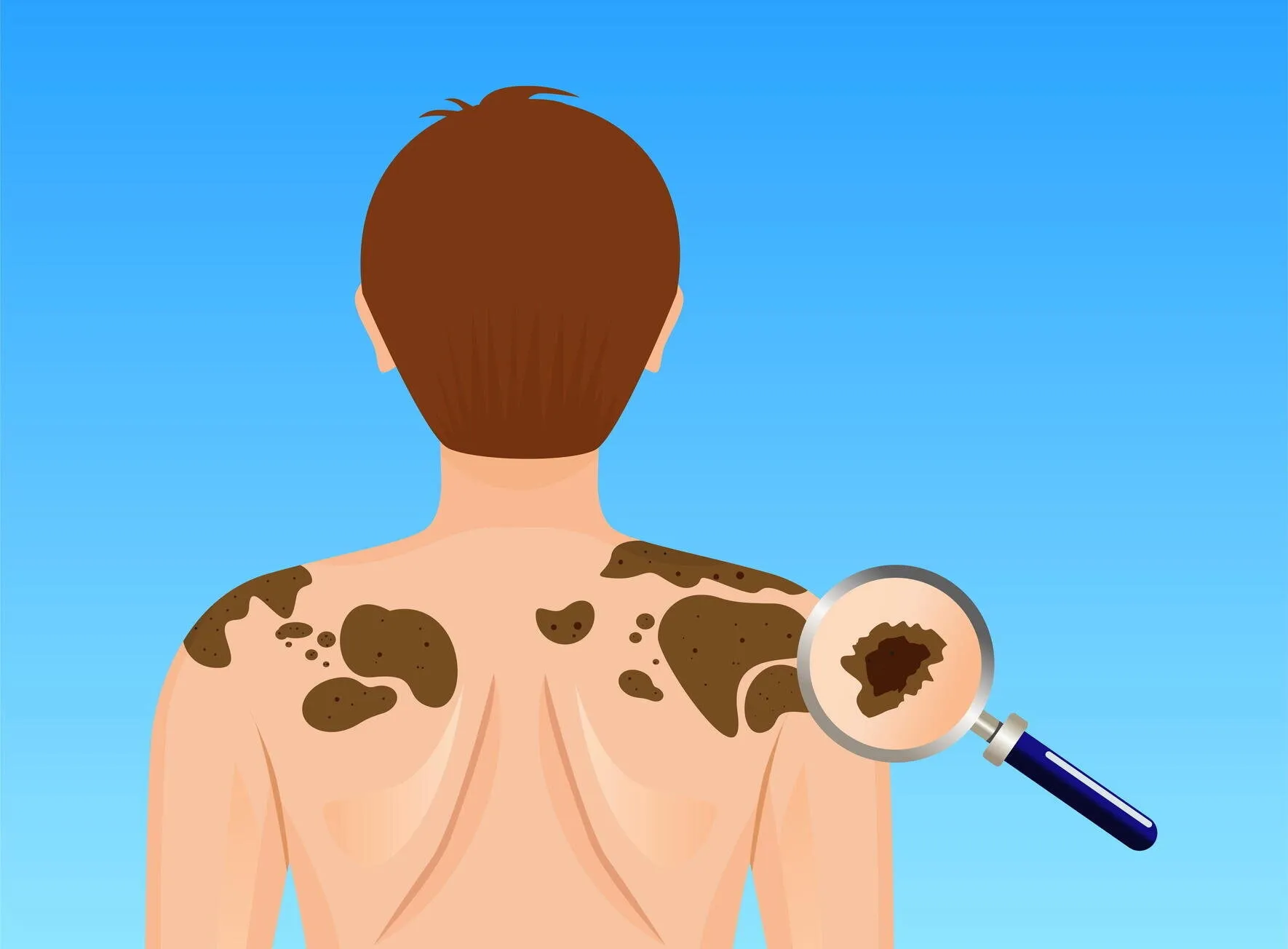
Melanoma is a particularly suitable target for this approach. Its cells often have a high mutational burden. One reason for this is ultraviolet radiation, which can damage the DNA of skin cells over the course of a person’s life.
The more mutations a tumor has, the more potential neoantigens can be identified and used as targets. In addition, melanoma has long been one of the types of cancer that respond relatively well to modern immunotherapy.
Therefore, it became a logical candidate for testing personalized mRNA technology.
Following early success in melanoma, Moderna and Merck began expanding the program.
Intismeran is already being studied for non-small-cell lung cancer, kidney cancer, and bladder cancer. Reuters also reports on programs for pancreatic and stomach cancers.
Of particular interest is its use after surgery.
Even when surgeons have removed all visible tumor tissue, microscopic clusters of cells that are not yet visible on CT or MRI scans may remain in the body. It is these cells that can cause a recurrence months or years later.
This is a potentially advantageous situation for the vaccine. The immune system needs to destroy a relatively small number of residual cells, rather than fighting a large tumor mass.
One of the most interesting tests involves pancreatic cancer
BioNTech and Genentech are pursuing another line of research. They have developed a personalized mRNA vaccine, autogene cevumeran, which is being studied, in particular, following surgeries for pancreatic cancer.
This is a particularly challenging type of cancer. Pancreatic tumors have a very specific microenvironment that actively suppresses immune cells, and many immunotherapy methods have shown limited effectiveness in this context.
During the studies, researchers created personalized vaccines based on the tumor neoantigens of each patient. In some participants, the vaccine elicited a strong T-cell response. Moreover, the immune memory cells generated by the vaccine could persist for years.
This was a small, early-stage study, so it does not yet prove that the vaccine increases overall survival. However, the results—particularly given the complexity of this tumor—show that the concept warrants further investigation.
Not all mRNA vaccines need to be personalized
There is another approach. Instead of searching for each patient’s unique mutations, one can use antigens that are found in large numbers of people with a specific type of tumor.
Such a vaccine can already be mass-produced. This is significantly cheaper and faster, although potentially less precise, than an individualized vaccine.

One example is programs targeting HPV-positive head and neck tumors, where the target is human papillomavirus (HPV) proteins present in cancer cells.
In other words, the general term “mRNA cancer vaccine” can actually encompass a wide range of technologies: from a drug created for a single patient to a ready-made vaccine for an entire group of people with a specific molecular subtype of tumor.
From a Tumor Sample to a Ready-to-Use Vaccine
Perhaps the most challenging part of personalized technology is the manufacturing process itself. In traditional pharmaceuticals, a factory produces millions of identical pills or vials. Here, a single production batch can effectively mean a single patient.
First, tumor material is needed. Then comes sequencing, bioinformatics analysis, mutation screening, and neoantigen prediction. After that, an mRNA construct is designed for a specific individual, produced in accordance with pharmaceutical standards, quality-checked, and shipped to the clinic.
Today, this process can take about six to eight weeks, which currently makes the technology particularly suitable for postoperative treatment, when the primary tumor has already been removed.
But for aggressive cancers, even a few weeks can be critical. That’s why one of the main races today is to learn how to create such vaccines faster.
And this is precisely where machine learning algorithms can play an increasingly important role, helping to analyze a vast number of mutations and predict which ones might be the best targets for the immune system.
Why Moderna’s Success Doesn’t Mean a Universal Vaccine Is Here
The phrase “a cancer vaccine has been developed” looks good in a headline but does not accurately describe reality. Intismeran cannot simply be injected into a healthy person to protect them from melanoma.
It is a personalized therapy for a specific cancer patient. It is developed after a tumor has already appeared, based on its genetic characteristics. It is also unknown whether this success will be replicated in dozens of other types of cancer.
There is the issue of cost. Sequencing, bioinformatics, and personalized pharmaceutical manufacturing are significantly more complex than producing millions of identical doses. There is also the issue of time. And there is a biological challenge: cancer continues to evolve. While the immune system attacks cells with certain targets, clones with a different set of mutations may survive.
That is precisely why personalized vaccines are unlikely to replace surgery, radiation therapy, chemotherapy, or other types of immunotherapy. Most likely, they will become another component of comprehensive treatment.
After COVID, mRNA Faces Its Biggest Test
The pandemic has made three letters—RNA—famous around the world. But for researchers who had been working with this technology long before 2020, a coronavirus vaccine was just one of many possible applications.
Oncology is a much more complex target. A virus has the same key targets in different people. Each patient’s tumor, however, can be unique. That is why the current results from Moderna and Merck are important not only for the two companies or for melanoma patients.
It demonstrates that the approach—“sequence the tumor → identify its specific mutations → create a personalized mRNA → train the immune system to attack”—is capable of passing not only small-scale experimental trials but also a large Phase III study.
Still ahead are the full publication of the results, regulatory review, issues of cost and scalability, and most importantly—trials on other types of cancer. Perhaps medicine will never create a universal vaccine that protects against all types of cancer with a single shot.
Instead, a completely different approach is gradually taking shape: not a single cancer vaccine for everyone, but a vaccine tailored to a specific tumor in a specific person.


