
Pacific island states urge COP31 to provide climate finance
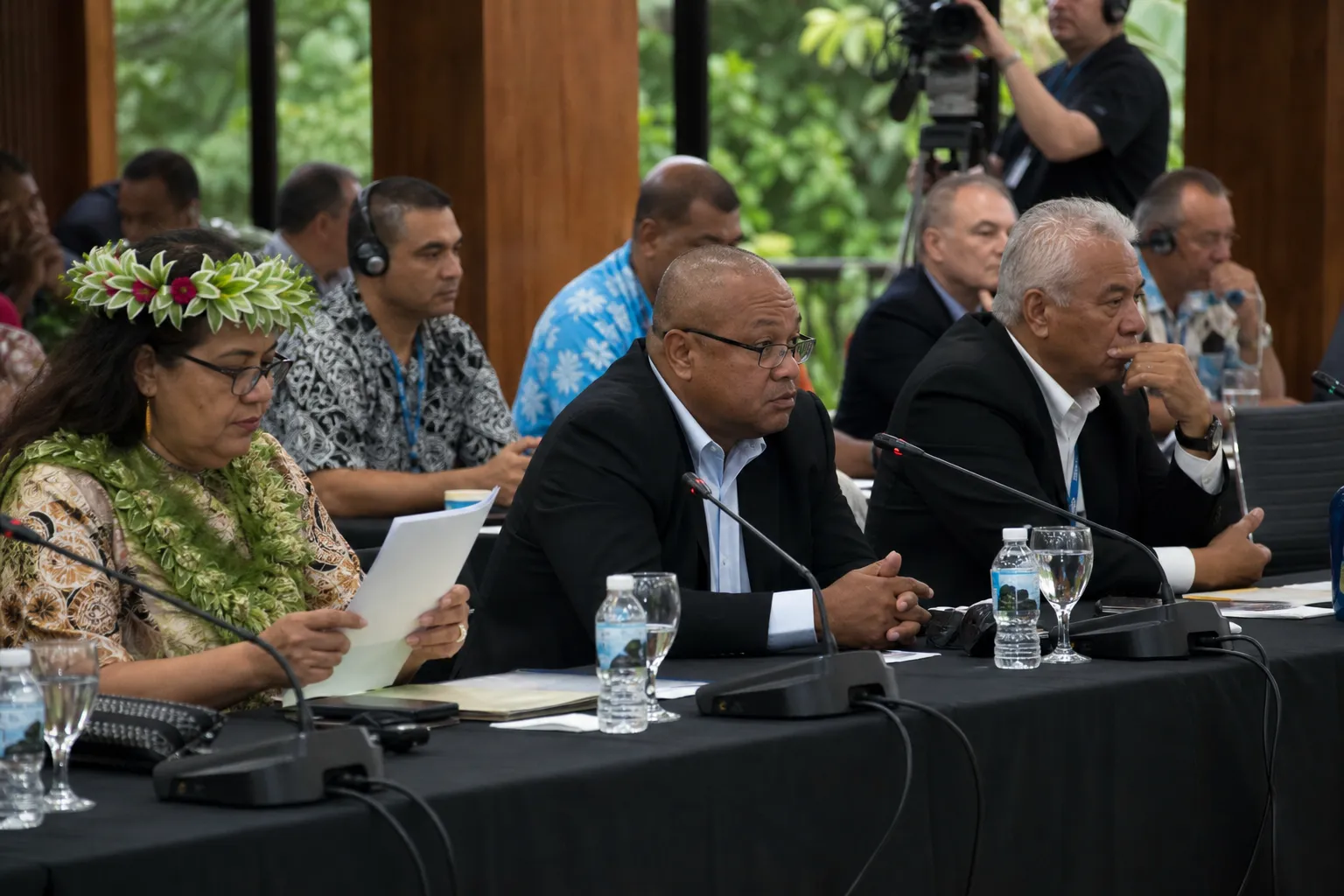
At the Pacific Islands Forum in Koror, Palau, leaders of island states called on the COP31 climate summit in November to ensure the region has access to financing for the transition to renewable energy, ocean protection and stronger community resilience. Australia, which is co-chairing COP31, took part in the 18-member Pacific Islands Forum event.
As Climate Home News reports, in the forum's final declaration, the countries described climate change as the greatest threat to the security, livelihoods and well-being of Pacific peoples. The document also stresses the importance of a high-level declaration during the preparatory meeting ahead of COP31 in order to strengthen political momentum before the summit.
Preparatory meeting in Fiji and Tuvalu
Australia and the island states invited world leaders to a preparatory meeting for COP31, which is due to take place in Fiji and Tuvalu from October 5 to 8. Such meetings are usually technical in nature and intended for negotiators, but countries in the region seek to adopt a political declaration there calling for substantial decisions at COP31 in Turkey.
Australian Climate Minister and COP31 negotiations president Chris Bowen said the country intends to use the conference to advance solutions that will make it easier for states to access the climate finance they need. He also said Australia would promote the Pacific Resilience Facility, created to rapidly direct funds to local communities vulnerable to climate change.
More current news is available on the UA.News Telegram channel Telegram.
A $14 billion plan
At the forum, the countries launched the $14 billion “100% Renewable Blue Pacific” investment plan. It provides for strategic projects to reduce the region's dependence on imported fossil fuels. These include Australia's $52 million program to develop stand-alone renewable energy in remote communities, as well as a $100 million blended-finance fund for private investment in wind and solar generation.
According to the University of New South Wales, some Pacific countries spend up to a quarter of their GDP on importing diesel fuel for electricity generation. The plan provides for the deployment of 2.2 gigawatts of renewable generation capacity and about 9 gigawatt-hours of energy storage systems.
The forum also endorsed the Belau Declaration, which calls for accelerating the global transition from fossil fuels to renewable energy and giving greater attention to ocean health in the fight against climate change. At the same time, the UN warned in a new report that sea levels are rising at the fastest rate on record: in 2024, the figure reached a record 5.9 millimeters.


