
Iranian parliament considers restricting contacts with foreign countries
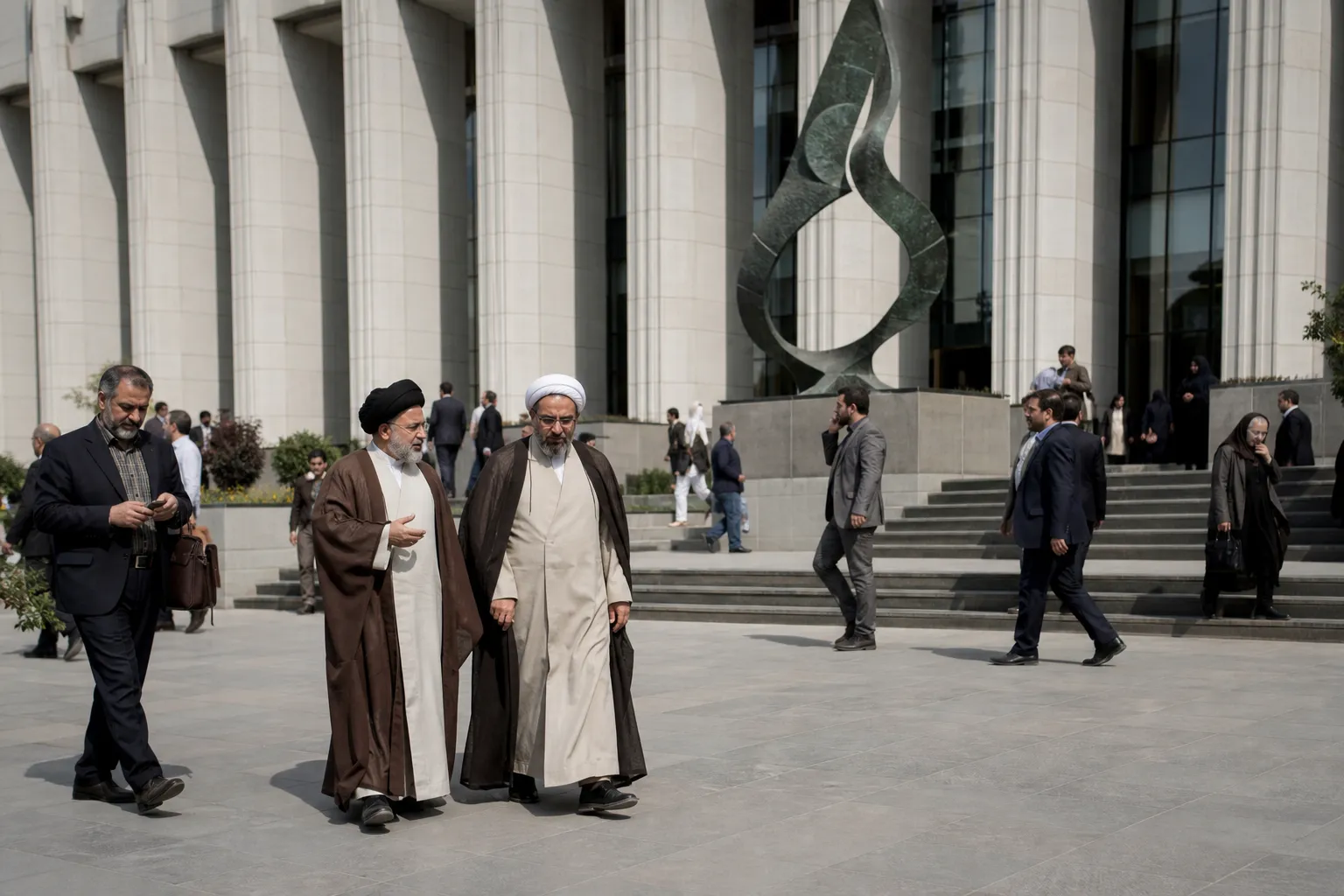
Iran’s parliament is considering a bill that could require citizens to obtain prior permission from security agencies for a broad range of contacts with foreign media, universities, organizations and other foreign entities. According to OilPrice, the document is officially titled the “Plan to Counter the Infiltration of Intelligence Services and Foreign Governments or Institutions.”
What restrictions are proposed
The draft stipulates that Iranians would have to obtain prior approval from the Ministry of Intelligence and the intelligence organization of the Islamic Revolutionary Guard Corps to publish books or articles, engage in academic cooperation, participate in scientific conferences or arts festivals, as well as to give interviews to foreign media that the authorities consider hostile.
Separate provisions establish criminal liability for interviews, discussions and other contacts with such media, as well as for providing them with photos, videos, audio recordings and other materials. Penalties for violations could amount to up to two years in prison.
In mid-August, parliament approved the general principles of the bill by 183 votes to four. During consideration by the National Security and Foreign Policy Committee, the document grew from 19 to 33 articles. So far, the plenary session has approved only the first two articles, while the remaining provisions may be revised. Following possible approval by parliament, the bill must still be endorsed by the Guardian Council.
More current news is available on the UA.News Telegram channel Telegram.
Criticism of the bill
Parliament Speaker Mohammad Bagher Ghalibaf supported stronger countermeasures against foreign infiltration but warned that requiring permission at every stage of contacts with foreign countries could effectively isolate the country. He returned Articles 7 and 8, concerning the procedure for disclosing information and penalties for exceeding the scope of permission, to the committee because of ambiguous wording.
Mohammad Mehdi Shahriari, a member of the relevant committee, said the initiative contradicts national interests. The government of President Masoud Pezeshkian has also publicly opposed the bill. Vice President for Science, Technology and Knowledge-Based Economy Hossein Afshin warned that the document could isolate Iran’s academic and scientific community, cause scientific stagnation and intensify the outflow of specialists.
On September 3, the UN Independent International Fact-Finding Mission on Iran called for the bill to be withdrawn, warning of a possible further restriction of fundamental freedoms and the isolation of Iranians from the international community. UN Special Rapporteur on Iran Mai Sato also said that the country’s intelligence services should not control Iranians’ contacts with the world.


