
Risk of infectious disease outbreaks remains after flood in Rasuwa — Kathmandu Post
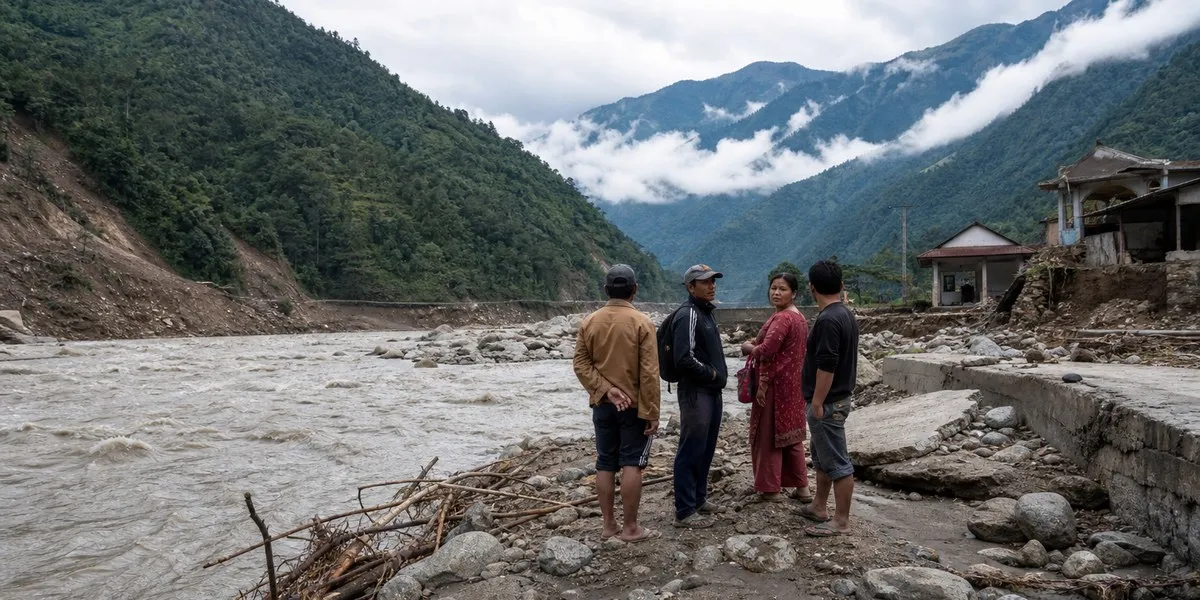
In Rasuwa, Nepal, the risk of infectious disease spread among displaced and affected people remains after the flash flood on August 26, 2026. More than 1,400 deaths have been confirmed, while more than 6,000 people remain missing or out of contact with their relatives.
As reported by the Kathmandu Post, human and animal remains were reported along riverbanks. This has heightened concerns about water safety and possible disease outbreaks in areas affected by the disaster.
Contamination of drinking water
Dozens of people in affected areas have reportedly fallen ill with diarrhea. E. coli and other bacteria that cause diarrheal diseases were detected in drinking water supplied to disaster zones. This may indicate that the water supply is not fully protected from contamination.
As a result, there remains a risk of outbreaks of typhoid fever, viral hepatitis A and E, leptospirosis, cholera, and other waterborne diseases. Hundreds of doses of oral cholera vaccine were distributed in these areas, which may reduce the risk of an outbreak, but does not rule out other infections.
More current news is available on the UA.News Telegram channel Telegram.
Respiratory and seasonal infections
Coughing and flu-like symptoms are also being observed in temporary accommodation centers. In crowded conditions, influenza, colds, and Covid-19 can spread quickly between people. Respiratory pathogens are currently circulating in Kathmandu, while Nepal's seasonal influenza peak falls, among other periods, between July and October.
A separate risk is the rising number of dengue fever and Japanese encephalitis cases in several parts of Nepal. Damaged infrastructure and materials deposited by the flood along the banks may create areas of standing water where mosquitoes could potentially breed.
More than three weeks have passed since the flood, but no major outbreak of infectious diseases has been observed so far. The government is conducting regular medical monitoring at accommodation centers, including for fever, diarrhea, and cough. Risks may persist until safe water supply, sanitation, and healthcare systems are restored.




