
Potentially fatal injuries found on 18 skulls near tombs of Egypt’s first kings — ScienceAlert
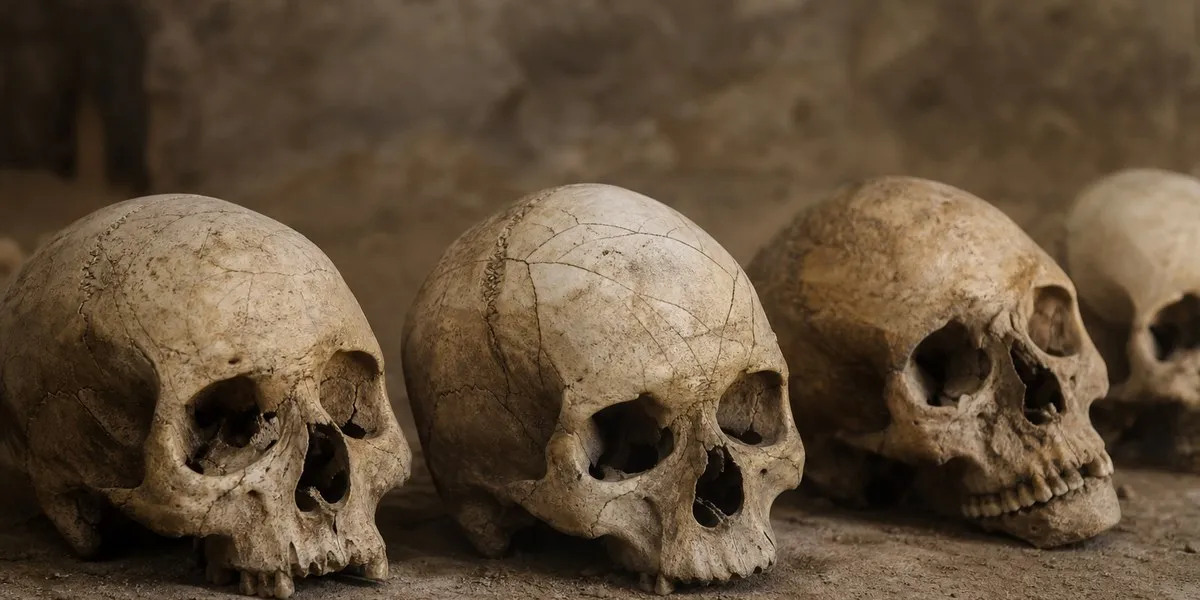
Archaeologist Rosalyn Campbell of Purdue University found signs of potentially fatal injuries on 18 of 46 preserved skulls from burials near the tombs of the first kings of Ancient Egypt. A renewed forensic examination of the remains may support the assumption of human sacrifice after the rulers’ deaths, ScienceAlert reports.
Burials near royal tombs
The skulls originate from the area of the royal burial complexes of Umm el-Qaab in ancient Abydos. People were buried there beside Egypt’s first kings, who ruled approximately from 3078 to 2900 BCE during the First Dynasty.
British Egyptologist Flinders Petrie excavated these graves in the 1920s and in some cases found the remains of hundreds of people. He suggested that people from the so-called subsidiary burials may have been killed soon after the king’s death so that they could serve him in the afterlife. At the same time, Petrie had no evidence of the causes of their deaths.
More current news is available on the UA.News Telegram channel Telegram.
Some of the burials bore names and official titles of people identified as lower- or middle-ranking officials or artisans. The burials were simple chambers arranged in rows; some contained coffins, pottery, copper tools, points, and small ivory figurines.
What injuries were found
The most common injuries were linear fractures of the cranial vault, which are usually caused by flat, broad objects. On several skulls, Campbell also recorded injuries caused by sharp objects, including a penetrating injury to the side of the head and a chop wound in the eye area.
The researcher’s cautious conclusion
Campbell notes that some people may have died of natural causes and been buried near the royal complexes. At the same time, 18 of the examined skulls have injuries sustained around the time of death. In the archaeologist’s view, the results lend additional weight to Petrie’s hypothesis of possible sacrifices of servants or courtiers after the ruler’s death. The study was published in the journal Frontiers in Environmental Archaeology.




