
220,000 transactions per month — Russia is testing the digital ruble
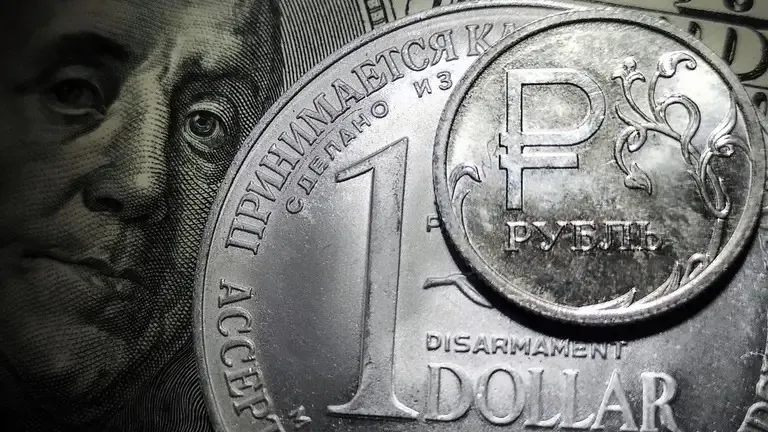
Russia reported that more than 220,000 accounts in digital rubles were opened during the first month after the project’s launch. This is significantly higher than the Central Bank’s initial forecast, which had anticipated about 60,000 accounts. At the same time, the launch of the new currency has been met with skepticism from some Russians and criticism from certain banks.
The digital ruble was officially launched in Russia on September 1. In just the first month, over 220,000 accounts were opened in this new form of currency. The Central Bank of the Russian Federation stated that this is far more than they had anticipated at the start.
Initially, the regulator had anticipated approximately 60,000 accounts. However, by the end of September, the number had exceeded 220,000. “We expected about 60,000 accounts. However, in just the first month, there were already more than 220,000,” said Zulfiya Kahrumanova, deputy chair of the Central Bank of the Russian Federation.
At the same time, the sheer number of accounts opened does not necessarily mean that all their owners are actively using the digital ruble. Reuters notes that the project’s continued success will depend on how willingly citizens and businesses adopt this new form of money.
What Is the Digital Ruble?
The digital ruble is a state-issued digital currency issued by the Central Bank of Russia. It differs from ordinary non-cash money that people keep in accounts at commercial banks. When a person pays with a card or through a banking app, they are effectively using money held at a commercial bank. The digital ruble, on the other hand, is a direct liability of the central bank.
In other words, it is not a cryptocurrency, nor is it simply a new way to pay with a bank card. In Russia, it is being developed as a separate form of the national currency that will operate through a special digital platform.
For the average user, the difference may not be obvious. Vladimir Putin has already acknowledged this. Last month, he called on Russian officials to better explain to citizens how the digital ruble differs from ordinary electronic payments.
Why Does Russia Need This?
Moscow views the digital ruble as more than just a domestic financial project. Russia also wants to develop digital currencies together with other BRICS countries. China and India are cited as key partners in this effort. The idea is to link national digital currencies in the future and create a separate system for international settlements.
This is particularly relevant for Russia following the imposition of Western sanctions. The restrictions have complicated its interactions with the international financial system and settlements with major trading partners, particularly China and India.
A domestic digital payment system could potentially reduce Moscow’s dependence on Western financial infrastructure. It could also cut down on the number of intermediaries through which Russia makes international payments under sanctions.
At the same time, this remains only a prospect for now. To create a fully-fledged international system, it is not enough to launch the digital ruble in Russia. Other countries must also actively use similar systems, and banks, companies, and ordinary people must agree to use them.
What Benefits Does Moscow See?
Russian authorities cite several reasons why the digital ruble could be useful. One of them is greater control over the flow of funds. Supporters of the project believe that digital money could make tax evasion more difficult. It could also be used to monitor exactly how social benefits are spent.
Another area is government procurement. According to supporters of the digital ruble, such a system could make the flow of budget funds more transparent and facilitate oversight of their use. For the government, this means significantly greater ability to track how and where money is moving. It is precisely this feature, however, that raises questions among some citizens.
Not all Russians want to switch to the digital ruble
Despite the Central Bank’s statements about a successful launch, attitudes toward the new currency in Russia remain mixed. Some citizens do not understand why they need the digital ruble when cards, bank transfers, and mobile payments already exist.
It is telling that Putin himself acknowledged the problem with understanding the new system. He instructed officials to better explain to people the difference between the digital ruble and regular electronic payments. In other words, for many Russians, it is not yet clear what practical benefits they will gain from switching to the new format. After all, they can already make everyday payments electronically.
Reuters also notes that surveys indicate that most Russians are reluctant to receive their salaries in digital rubles. At the same time, some employees are already voluntarily receiving payments in this format.
Banks aren’t thrilled about the new system either
Some major Russian banks are also skeptical of the digital ruble. For them, the emergence of a state-backed digital currency means new competition from the Central Bank’s platform.
Commercial banks have already spent significant funds on their own mobile apps and electronic payment systems. Therefore, bankers are asking why customers should switch to yet another payment method. In particular, Sberbank CEO German Gref has previously emphasized that Russian banks already facilitate electronic payments within the country.
In other words, from the banks’ perspective, the issue is not just about technology. If some of the money shifts from traditional bank accounts to digital rubles, this could alter the role of commercial banks in the financial system.
Moscow has already begun paying salaries in digital rubles
The Russian Ministry of Finance and the Central Bank have already begun voluntarily paying salaries to some employees in digital rubles. While this has not yet become widespread practice, the government is using this approach to demonstrate how the new system works. Officially, this is presented as a voluntary program. In other words, employees are not required to automatically switch to the digital ruble simply because the government system has been launched.
However, public attitude remains one of the key issues for the project’s future. Opening an account is only the first step. What matters far more is whether people will regularly receive money into it, use it to pay for purchases, and incorporate the digital ruble into their daily lives.
Russia Wants to Link the Digital Currencies of BRICS Countries
A separate focus of the Russian project is international payments. Moscow, together with other BRICS countries, is discussing the possibility of creating a new payment system based on national digital currencies. For Russia, such a system could serve as a way to conduct some international payments without relying on traditional Western financial infrastructure. China and India—Russia’s major trading partners—are of particular interest in this regard.
But launching such a system requires more than just technology. Countries must agree on operating rules, banks must connect the necessary infrastructure, and companies must actually use the new mechanism for trade.
Therefore, the current 220,000 accounts in Russia are just the beginning of the experiment. The extent to which the digital ruble becomes a widely used tool domestically and a part of international settlements will depend on the willingness of citizens, businesses, and other countries to use it. Reuters reports on this.




