
Rabbi calls for collective self-examination on Yom Kippur — Jerusalem Post
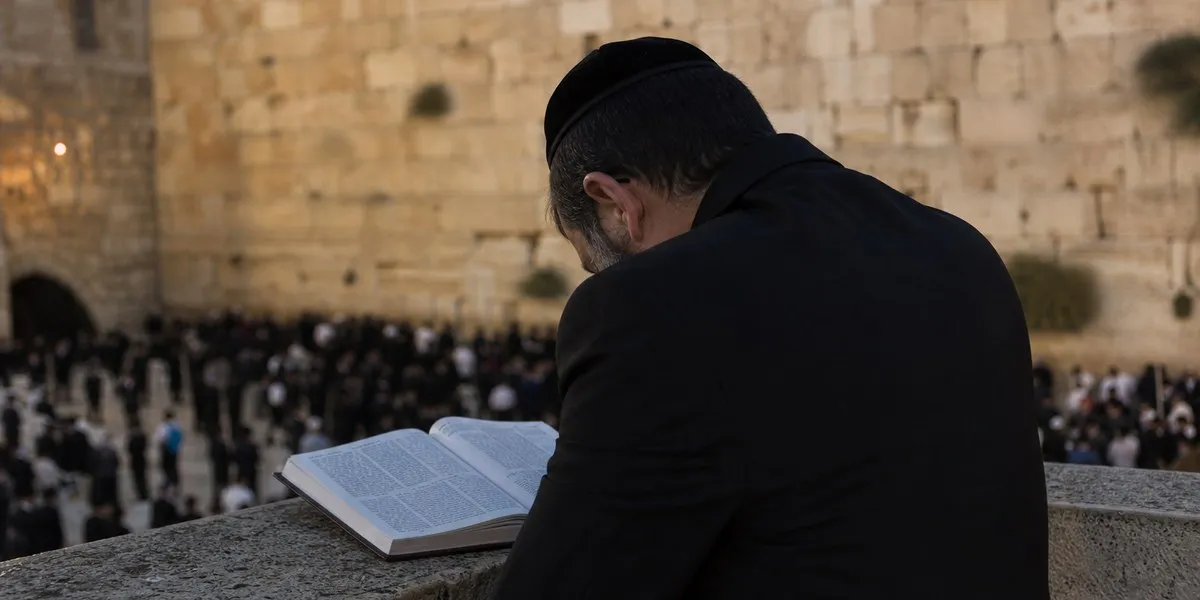
In Israel, Rabbi Moshe Taragin, a teacher at the Har Etzion yeshiva, called in a Yom Kippur column for combining personal repentance with collective self-examination. In his view, this day is an opportunity not only to reflect on one’s own actions, but also to assess the state of society and relations between its groups.
As The Jerusalem Post writes, Taragin described Yom Kippur as a time of deep inner searching, when a person confronts their own weaknesses, self-deception, and habits they avoid throughout the year. The author believes that collective repentance should also become a response to the challenges that, in his words, have faced Israeli society over the past three years of war.
Exhaustion and sacrifice
Among the phenomena requiring public reflection, Taragin named spiritual disorientation, inattention to the historical significance of events, emotional numbness, and becoming accustomed to the sacrifices of other people. He writes that the prolonged war has left society with grief, anxiety, and fatigue, while the rapid flow of news can dull reactions to events that would previously have caused severe shock.
More current news is available on the UA.News Telegram channel Telegram.
The author also described the events of October 7, which he characterizes as a Hamas-led massacre, as events that should shape the future life of Israeli society. He called for supporting the families of the dead, wounded servicemembers, reservists, and their loved ones, as well as speaking carefully about others’ pain and not diminishing suffering because someone else experienced heavier losses.
Language and disagreements
Taragin drew attention to internal contradictions that, in his assessment, existed in Israeli society before October 7 and intensified again during the war. He warned against ideological self-confidence and called for recognizing that one’s own convictions may be incomplete or mistaken.
Separately, the rabbi criticized irresponsible language in public discussions. He called it unacceptable to compare other Jews to Nazis and to baselessly label them antisemites. In the author’s view, words can intensify conflicts and leave lasting wounds, so society should remember the shared past and shared fate of the Jewish people.


