
Rahul Gandhi criticizes Modi over reaction to female protesters’ profanity
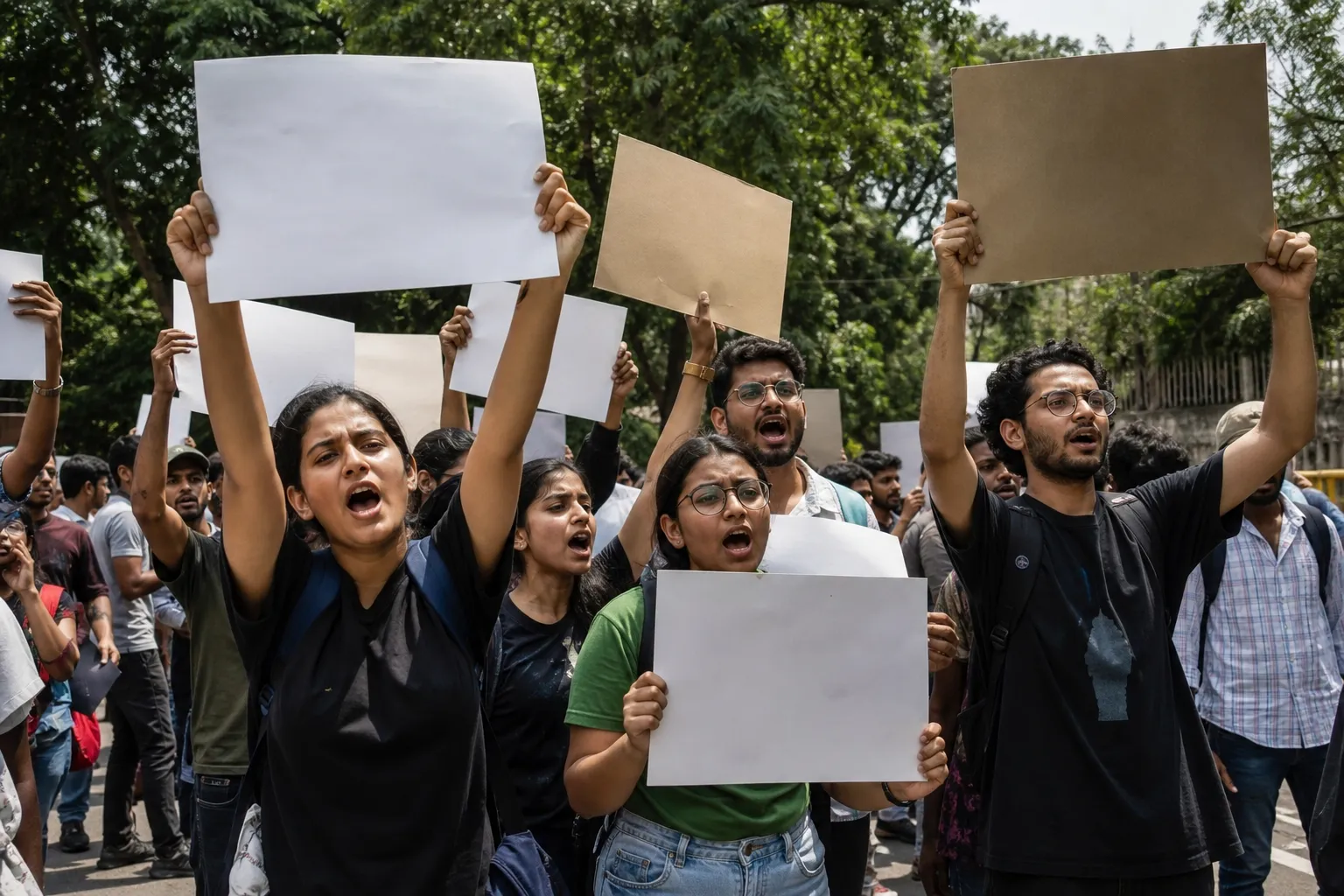
Rahul Gandhi, the opposition leader in India’s lower house of parliament, criticized Prime Minister Narendra Modi over his reaction to profanity used by young female protesters. At a meeting with students in Pune, Gandhi said that Modi had called the girls’ swear words a “cultural shock,” although, according to the opposition leader, men also used profanity during the demonstrations, BBC News reports.
Gandhi linked Modi’s focus specifically on the gender of the protesters to patriarchal thinking. He called for fighting such an attitude, under which boys are allowed to swear while the same words from girls provoke condemnation.
Protests and the authorities’ response
The discussion began after weeks-long protests by the Cockroach Janta Party in Delhi and other Indian cities. Participants demanded education reforms amid leaks of examination papers. Some young women used profanity directed at Modi during the protests.
According to the BBC, the 35-day protest at the Jantar Mantar site in Delhi ended on July 25 after the resignation of Education Minister Dharmendra Pradhan. After posters and videos containing insults directed at the prime minister spread on social media, police launched an investigation into offensive posts.
More current news is available on the UA.News Telegram channel Telegram.
A 15-year-old girl became the focus of the controversy. She posted a video apologizing for her language and said that she had deleted an earlier video. Her mother, who is raising the child alone, told local media that they had to change where they lived several times because of harassment and threats on social media. Other female protesters reported trolling and rape threats.
Debate over double standards
After the protests ended, Modi posted a vertical video on Instagram. He called such language unacceptable in a civilized society, said that he and his late mother had been insulted, but added that he was ready to forgive the “mischievous children” who had made a mistake.
Journalist Namita Bhandare told the BBC that the reaction to women’s remarks demonstrates double standards, since politicians of different views have also used insulting language toward women. She noted that in some villages in northern India, obscene songs are part of the wedding tradition.
Activist Sunil Jalan, who campaigns against swearing, called for focusing on the profanity itself rather than on the gender of those who use it. According to a survey by his organization, 55% of more than 70,000 participants in 28 Indian states and eight union territories admitted to using profanity.


