
Reform UK wants to lower priority for UK citizens born abroad in social housing queues
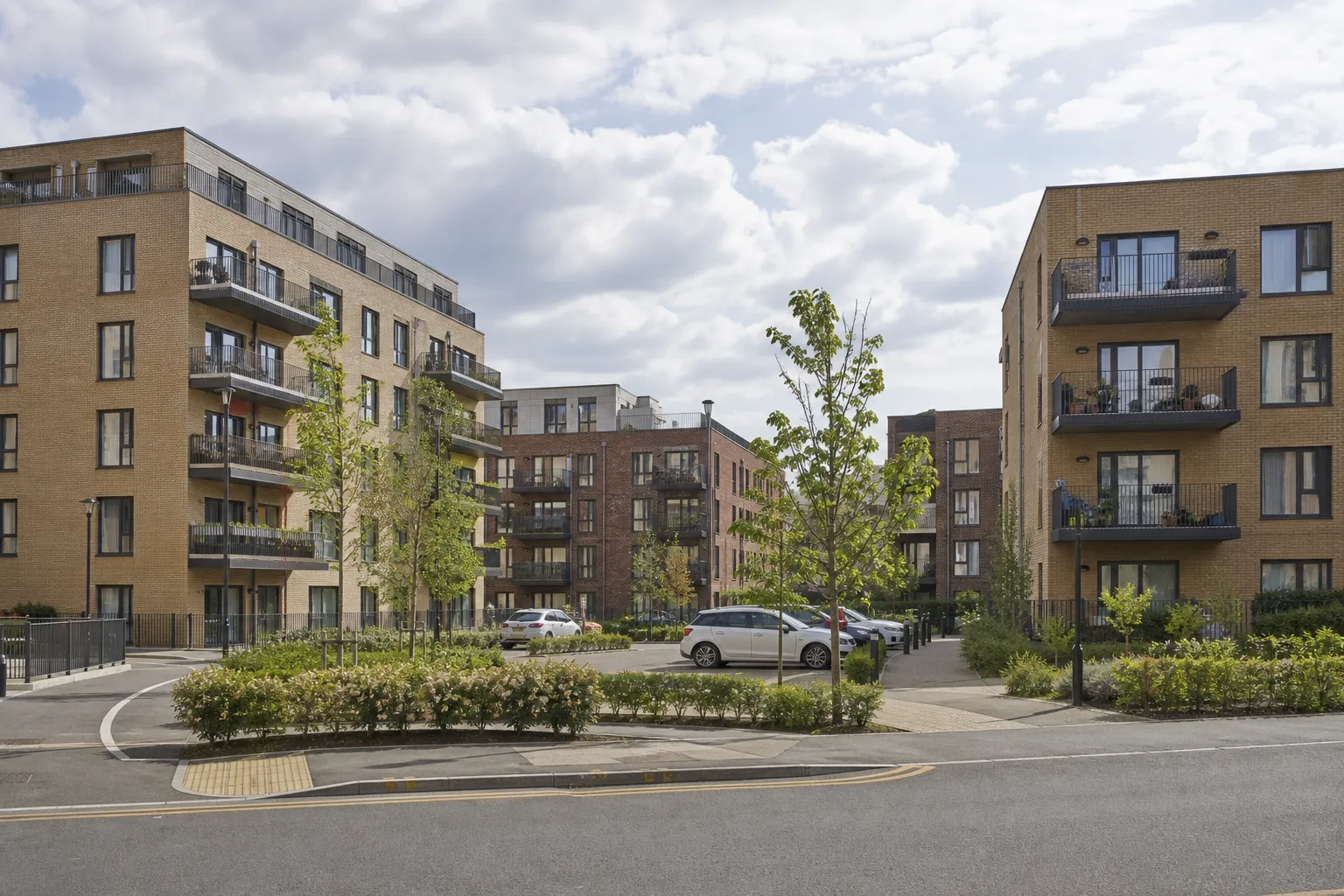
British party Reform UK plans to lower the priority in the social housing queue for UK citizens who were born abroad. It proposes giving first access to employed people born in the United Kingdom, as well as married couples under the age of 35 who have children.
The Guardian reports on the initiative, which Nigel Farage’s party is due to present at a press conference in London. According to the publication, legislative changes would be needed to introduce the rules without breaching existing law.
Exceptions and previous proposals
Reform UK said it plans to make an exception for Britons born abroad while their British parents were temporarily staying there. The party had previously proposed banning foreign citizens from access to social housing altogether. Under that proposal, foreigners already living in such housing would have had to find private accommodation within three months or face deportation.
More current news is available on the UA.News Telegram channel Telegram.
Reform UK deputy leader Richard Tice said that 1.3 million people in the United Kingdom are waiting for social housing. He also claims that more than half a million social housing homes are occupied by foreign citizens and that fewer than half of households in this sector have jobs.
Criticism and housing plans
Experts cited by the publication warn that setting priority based on nationality, age and family status could harm the most vulnerable groups. Shelter chief executive Sarah Elliott said that moving away from a system focused on housing need and the risk of homelessness could leave more families in temporary accommodation and create dangers for people fleeing domestic abuse.
A Labour Party representative noted that illegal migrants, asylum seekers and holders of student or work visas are already not entitled to social housing. Reform UK also promises to build 50,000 units of socially affordable housing each year, but has not explained how it plans to fund the programme without additional taxes or borrowing.


