
Russia's Black Sea coast is losing tourists due to oil spills
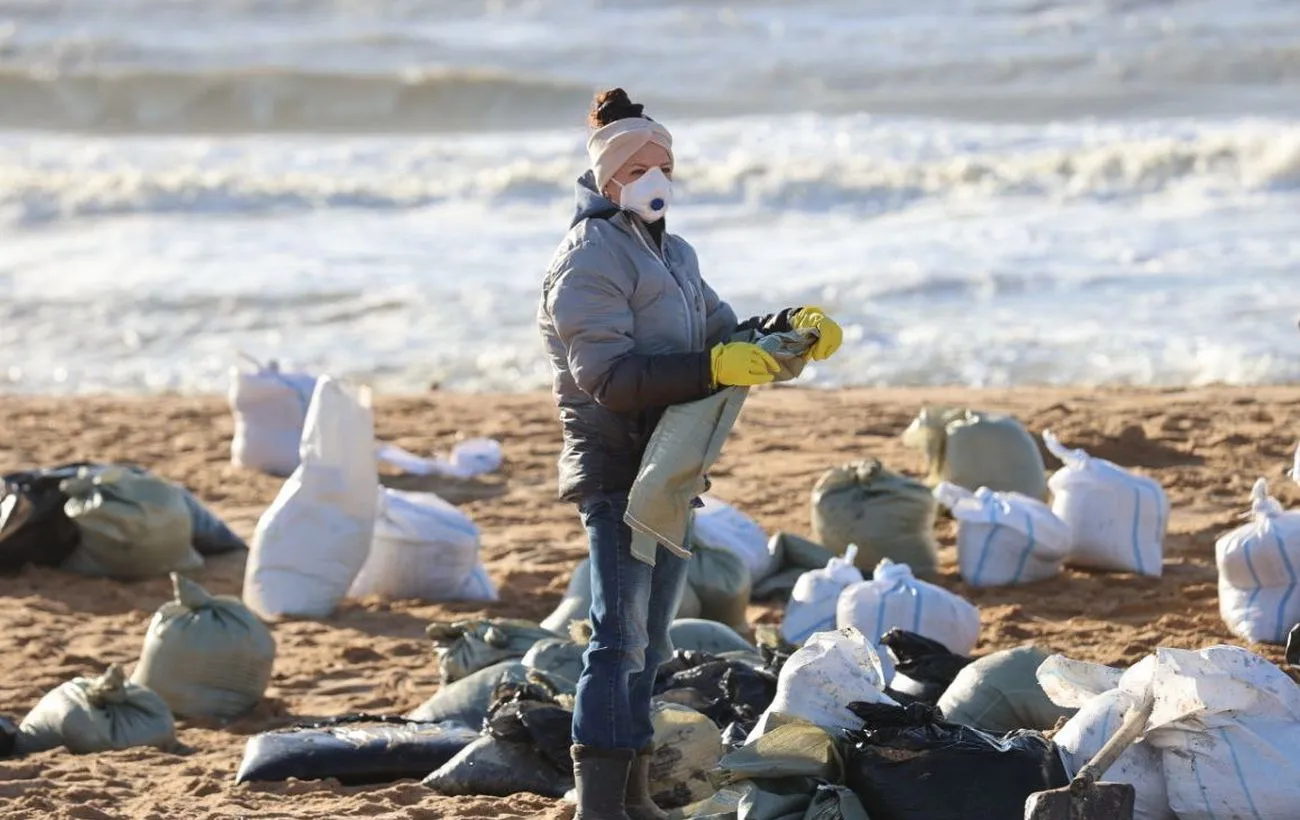
In the Russian resort town of Anapa, tourist traffic has plummeted due to the aftermath of oil spills in the Black Sea and the state of emergency. Health resorts and hotels are reporting up to half of their bookings canceled and are operating at a significant loss, according to Russian media.
The Russian Black Sea coast, which for years has been positioned as one of the country’s main resort destinations, is now experiencing a noticeable decline in tourist activity, and the situation in Anapa has become one of the most striking examples of how environmental disasters and industrial accidents can instantly transform the economy of an entire region, effectively leaving resorts and hotels without guests in the middle of the season.
According to the local Chamber of Commerce and Industry, the situation looks critical for the tourism industry, as some establishments are seeing up to 50% of bookings canceled, and some sanatoriums are effectively operating half-empty. “Sanatoriums, health resorts, and hotels in Anapa are currently seeing up to 50% of bookings canceled. Most sanatoriums are half-empty,” said a representative of the chamber, emphasizing that the state of emergency following the oil spills remains a key factor in tourists and corporate clients canceling their trips.
Problems for the region began after a fuel oil spill in the Black Sea in late 2024, and the situation was subsequently exacerbated by new incidents related to oil refining infrastructure and fires at facilities in Tuapse, which led to additional air and sea pollution. Water pollution and the appearance of dead marine animals were recorded in various areas along the coast, and volunteers have repeatedly reported a lack of resources to address the consequences and poor coordination of aid, which only exacerbates the crisis of confidence in the resort region.
The tightening of EU sanctions could complicate Russia’s Arctic logistics operations. This refers, in particular, to the calls of Russian icebreakers at the Norwegian port of Honningsvåg, which have become part of Russia’s logistics routes in the Arctic.




