
Russian oligarch paid hundreds of thousands of dollars for Trump Jr.'s wedding — ProPublica
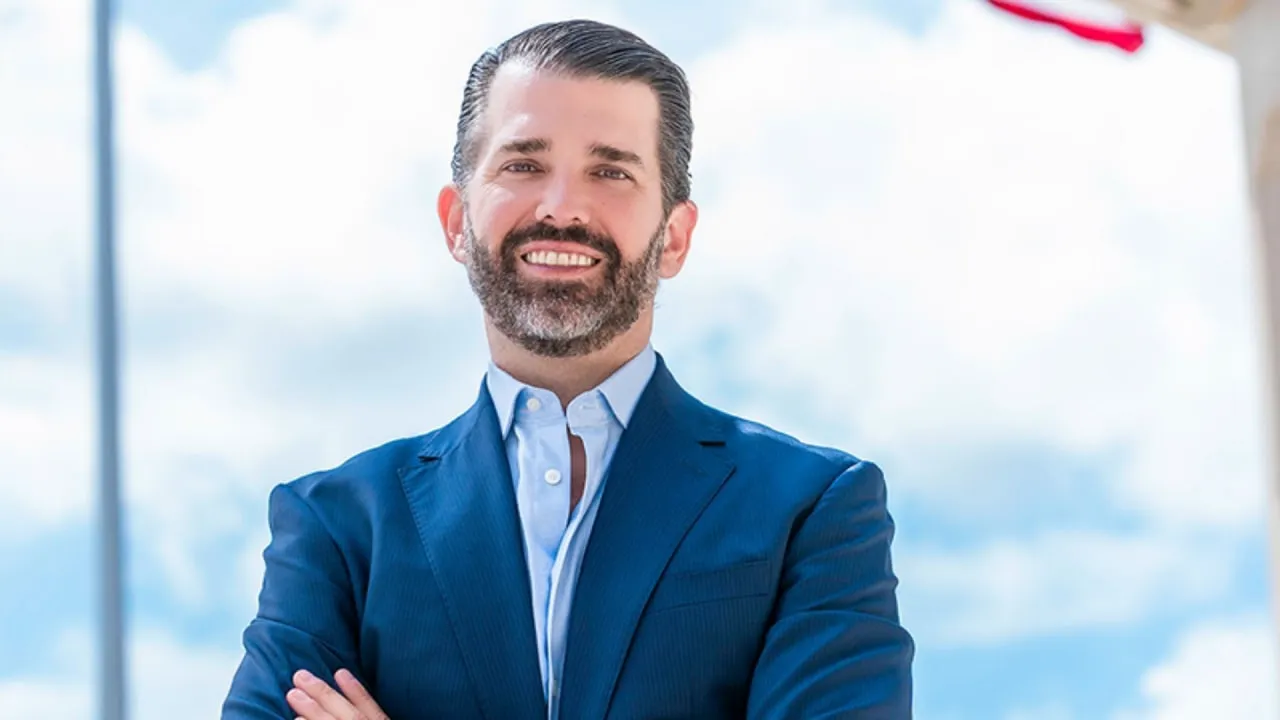
Russian businessman Umar Kremlev, who is considered close to the Kremlin, secretly financed a significant portion of the expenses for the lavish wedding of Donald Trump Jr. and Bettin Anderson. This is according to a ProPublica investigation.
The private three-day celebration took place in May on a private island in the Bahamas. Guests were treated to helicopter rides, dance performances, a large-scale fireworks display, and other expensive entertainment.
According to journalists and documents, Kremlev paid for the island rental for the guests and the celebratory fireworks, and his team helped organize the event. Payments were routed through the Dubai-based company IB Challenger, which is linked to the International Boxing Association (IBA), headed by Kremlev.
There was also a group of Russian-speaking guests at the wedding. Among them, journalists spotted businessman Alexander Lagutin, who had previously worked in the Russian defense and energy sectors. A few days before the wedding, he was in China with Kremlev as part of Vladimir Putin’s delegation. Kremlev himself had recently received the “Order of Friendship” from the Russian president.
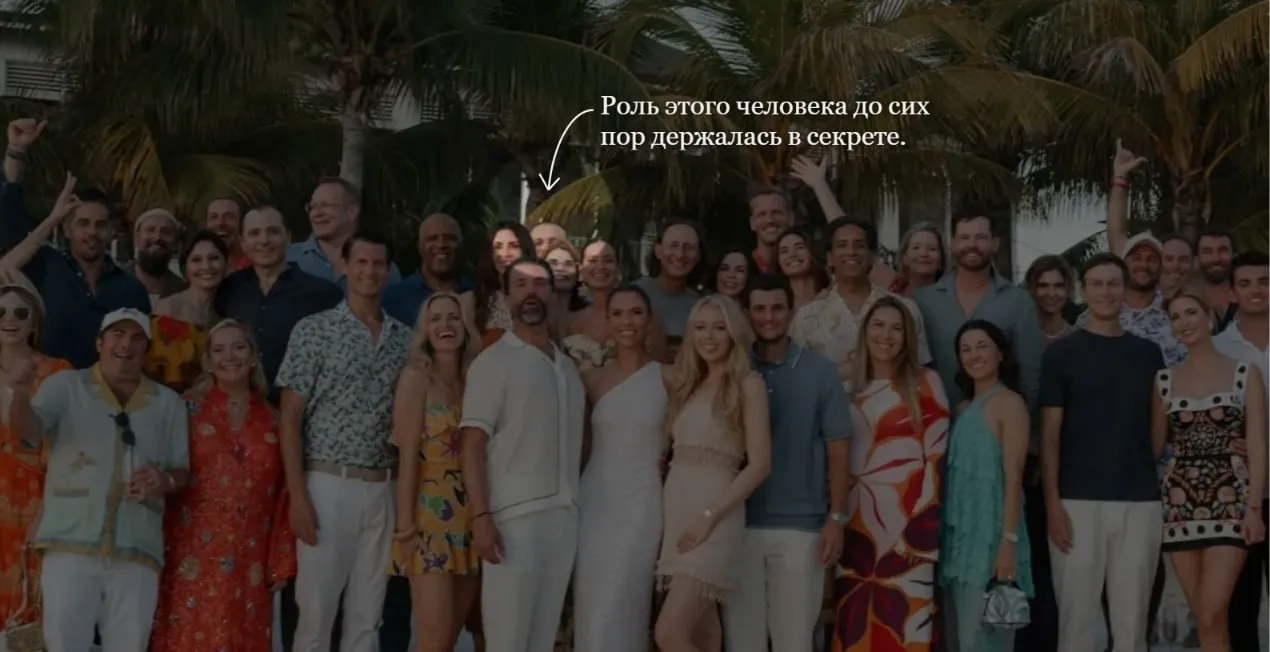
A representative for Trump Jr. did not deny the funding, stating that Kremlev is his personal friend. The Russian businessman’s team also confirmed their friendly relationship, emphasizing that they allegedly did not discuss political issues.
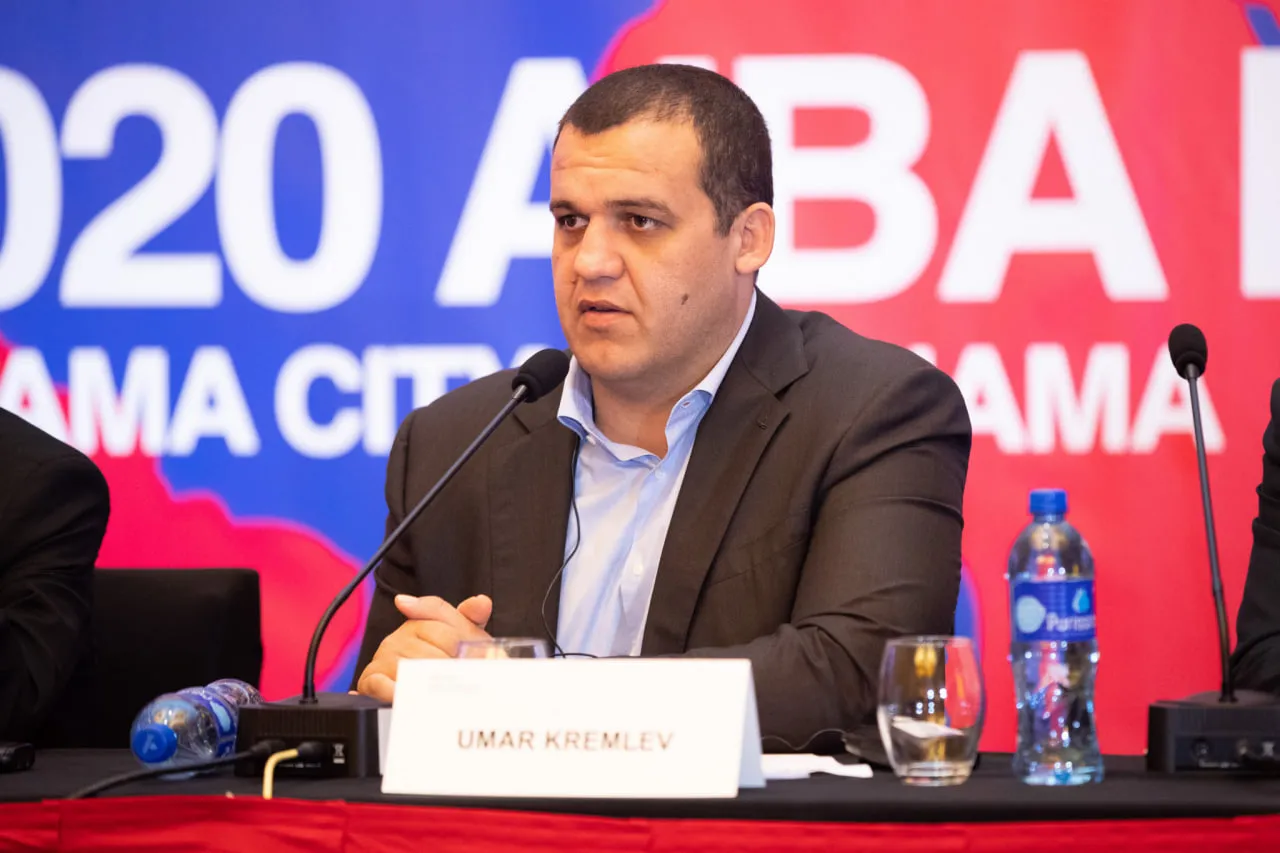
Kremlev has a mixed reputation and, according to media reports, a criminal past. U.S. counterintelligence experts have expressed concern over financial support on this scale. In their view, expensive gifts can create dependency and grant access to influential people and their families.
Source: ProPublica
American actor and director Sean Penn spoke out sharply against the policies of the Donald Trump administration, particularly the decision to suspend the operations of the U.S. Agency for International Development (USAID).
Federal Judge Carl Nichols in Washington, D.C., has temporarily blocked the implementation of a new U.S. Postal Service rule that tightened requirements for voting by mail.


