
The split within PiS has exacerbated the fragmentation of the Polish right-wing camp
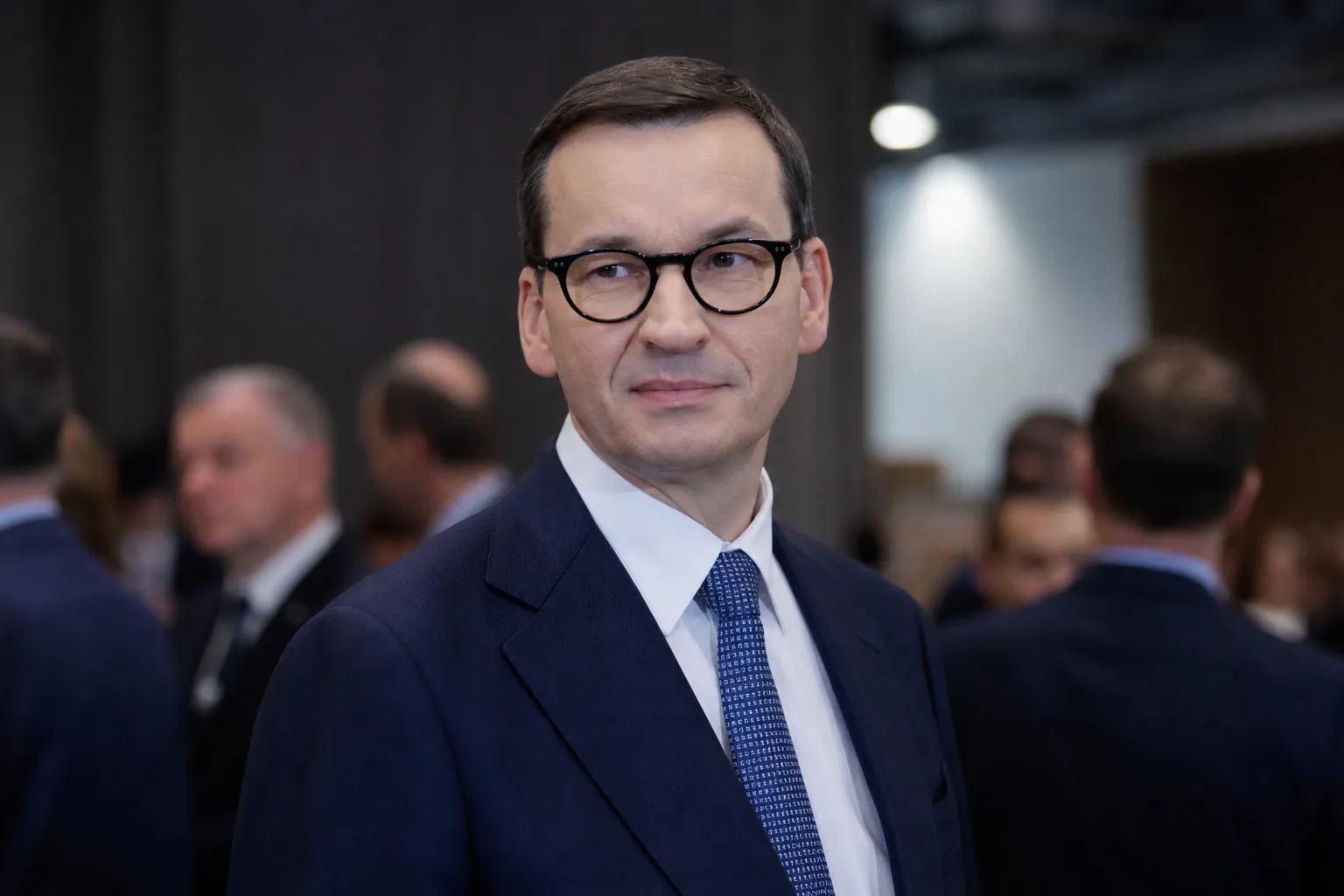
The biggest internal crisis in 25 years within the Polish opposition party “Law and Justice” (PiS) has ended with a split from a faction linked to former Prime Minister Mateusz Morawiecki. The conflict between Morawiecki and PiS leader Jarosław Kaczyński over the party’s future direction lasted several months, according to Notes from Poland.
In April, Morawiecki created the Rozwój Plus (“Development Plus”) platform, focused on economic development. The PiS leadership viewed this as a violation of the party’s charter, which prohibits members from joining political organizations that contradict the party’s goals. Initially, the parties agreed that the platform would operate within the framework of an official PiS expert group. However, in July, the leadership banned participation in internal party factions and required lawmakers to sign loyalty declarations.
According to the publication, 40 lawmakers associated with Rozwój Plus refused to sign such declarations. Kaczyński stated that by doing so, Morawiecki and his allies had effectively left PiS. For its part, the “Rozwój Plus” group characterized the situation as an expulsion due to political differences. Morawiecki confirmed his intention to soon transform the group into a separate party.
For more breaking news, follow the UA.News Telegram channel.
Two factions have emerged within PiS. The traditionalist-conservative group, known as the “maślarze,” advocated for a more hard-line right-wing and Euroskeptic course, particularly emphasizing national identity and traditional values. Morawiecki’s technocratic wing, known as the “harcerze,” proposed emphasizing economic competence, pragmatic governance, and broadening support among younger, urban, and more centrist-leaning conservative voters.
The loss of 40 lawmakers means that PiS is no longer the largest parliamentary faction. The author notes that this deprives the party of some of its procedural advantages, influence in committees, and resources. The split also complicates the prospects for right-wing forces in the parliamentary elections scheduled for the fall of 2027: Poland’s d’Hondt method of seat allocation favors larger electoral lists, and parties that fail to clear the 5 percent threshold do not participate in the allocation of seats.
Following the split, support for Morawiecki’s new faction, according to data cited in a Politico Europe article, averages around 6 percent. This could allow him to enter parliament and become an important player in coalition negotiations, but his electorate consists primarily of traditional PiS voters. The author also believes that in the short term, the situation benefits Prime Minister Donald Tusk’s government, as it diverts attention from criticism of the administration.


