
Saad Rafique names causes of Pakistan’s crises
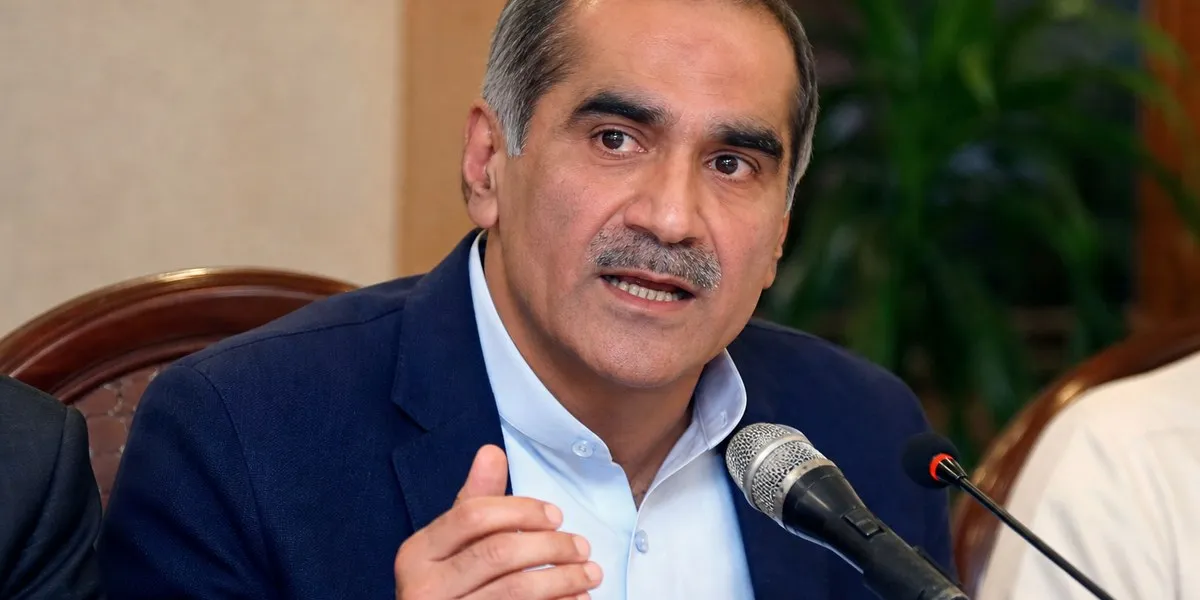
In Pakistan, senior Pakistan Muslim League-Nawaz (PML-N) leader and former federal minister Khawaja Saad Rafique said that the country’s governance, economic and political crises are linked to repeated interference in the Constitution, legislation, judiciary and political order. He warned that the situation could eventually spiral out of the control of all sides, Dawn reports.
Criticism of the political system
In a social media post, Rafique called Pakistan’s biggest problem its repeated departure from constitutional and legal principles. In his view, this has led to a prolonged crisis of public governance.
The politician also criticized the ruling elite and establishment’s desire to concentrate power. Among the factors that, he said, have led the country into economic hardship, lawlessness and extremism, he named nepotism, dishonesty, egocentrism, arrogance and an excessive sense of self-importance.
Rafique assigned responsibility to various parts of the state and society, including politicians with a “martial law mindset,” power-seeking political leaders, a judiciary relying on the doctrine of necessity, religious figures spreading extremism, an authoritarian bureaucracy and the media. According to him, the media tend to align themselves with those who hold power.
More current news is available on the UA.News Telegram channel Telegram.
Call for dialogue
Rafique expressed concern over the widening divide between political parties and society. In his assessment, political forces’ departure from their declared ideologies, democratic principles and promises has significantly undermined public trust.
He said that terrorism, political anarchy, economic difficulties and growing injustice cannot be overcome through ad hoc solutions. In his view, this requires the supremacy of the Constitution and the rule of law.
The PML-N leader called on state institutions and political forces to engage in self-criticism, correct the situation and hold an open, reasoned dialogue. He also proposed that civil society create discussion and reform groups that would develop well-grounded positions and express them publicly without bias or fear.
In August, Rafique had already proposed concluding a Charter of Pakistan involving the government, opposition and other stakeholders to resolve political, economic and security crises. The proposed topics included constitutional governance, transparent elections, economic recovery, security and an independent electoral process.


