
U.S. Allies Are Reevaluating Their Defense Strategies Amid Nuclear Risks
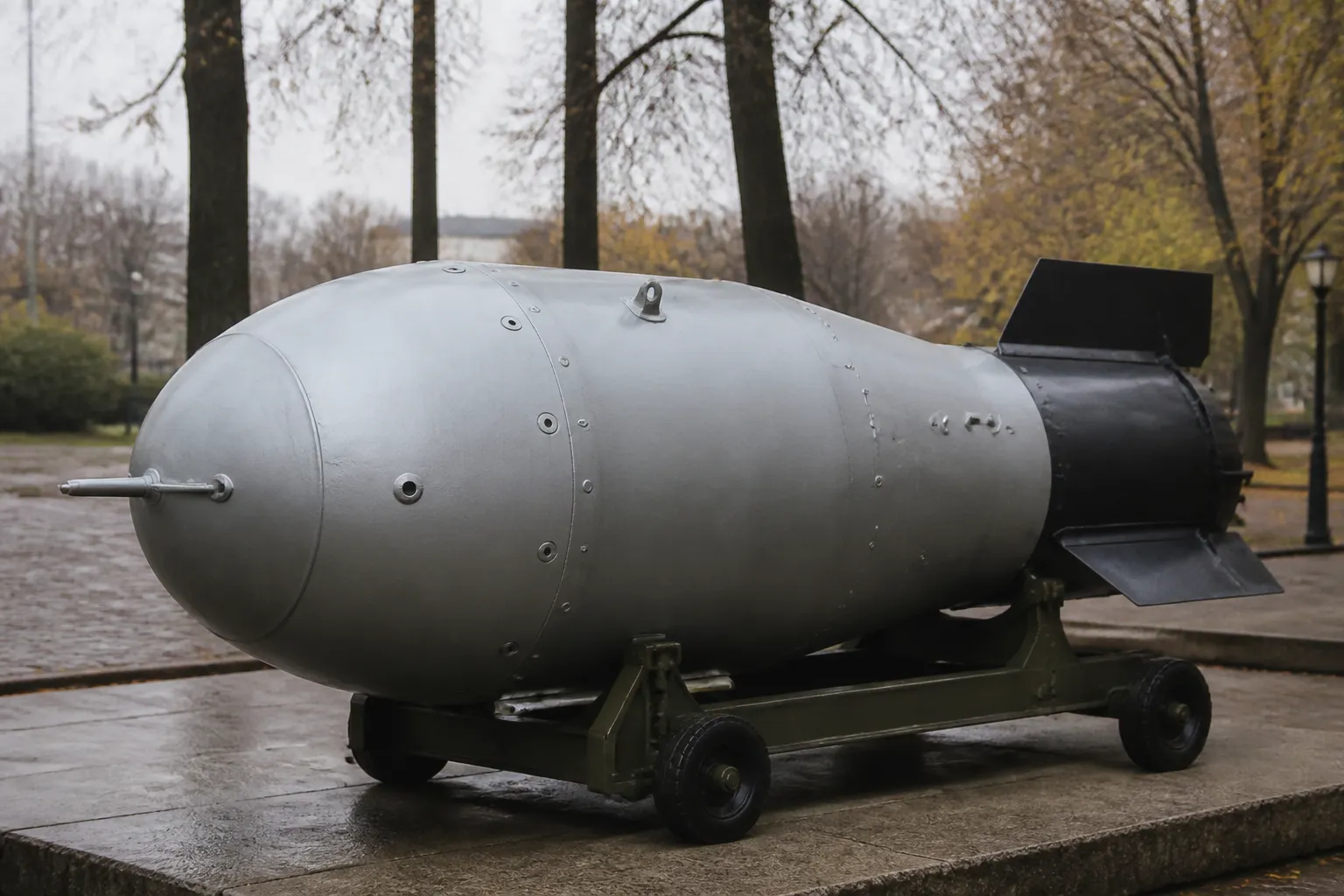
U.S. allies are increasingly considering ways to strengthen their own defenses due to doubts about the reliability of America’s extended nuclear deterrence. According to analysts surveyed by CNBC, this could prompt more governments to reconsider acquiring nuclear weapons and increase the risk of a cascade of proliferation.
CNBC notes that the U.S. National Defense Strategy for 2026 makes no direct mention of extended deterrence, and President Donald Trump has called on allies to spend more on their own defense. Ankit Panda, a senior fellow in the Nuclear Policy Program at the Carnegie Endowment for International Peace, said that allies increasingly view Washington as a less engaged and less reliable partner.
Trump also ordered a reduction in joint military exercises with South Korea, stating that they send a “completely inappropriate and hostile” signal to North Korea. Earlier, the U.S. began negotiations regarding the peaceful enrichment and reprocessing of nuclear materials by South Korea and also signed a civil nuclear cooperation agreement with Saudi Arabia. According to CNBC, this could pave the way for enrichment within Saudi Arabia itself.
For more breaking news, follow the UA.News Telegram channel.
In March, French President Emmanuel Macron announced the first increase in the number of French warheads since 1992 and promised to extend France’s nuclear umbrella to other EU countries as part of an “advanced deterrence” partnership. Nine countries, including Germany and Greece, have joined the initiative. In Japan, attention was drawn to Prime Minister Sanae Takaichi’s reluctance late last year to rule out a review of the country’s three non-nuclear principles. The leaders of Lithuania and Finland, which border the Russian Federation—an aggressor state—have also moved closer to lifting their long-standing ban on the deployment of nuclear weapons on their territory.
Experts emphasize that these steps do not constitute a decision to build a nuclear bomb. At the same time, Shonak Set, a research fellow at the S. Rajaratnam School of International Studies, cautioned that strengthening one country’s security could make its adversaries feel less secure and prompt them to react. Andrew Fachini, a senior fellow at the Strategic Risks Council, noted that the development or deployment of nuclear deterrents heightens tensions and compels adversaries to respond.
According to a June report by the Stockholm International Peace Research Institute, the United States and Russia together possess about 83% of the world’s operational nuclear warheads. Of the more than 12,000 warheads held by nuclear-armed states, over 9,000 are in military stockpiles, approximately 4,012 are deployed on missiles and aircraft, and up to 2,200 are kept on high alert. The latest round of talks at UN headquarters in May failed to reach a consensus, and UN Secretary-General António Guterres warned that the Treaty on the Non-Proliferation of Nuclear Weapons is being eroded.




