
UN special rapporteur: Clearing rubble in Gaza could destroy evidence
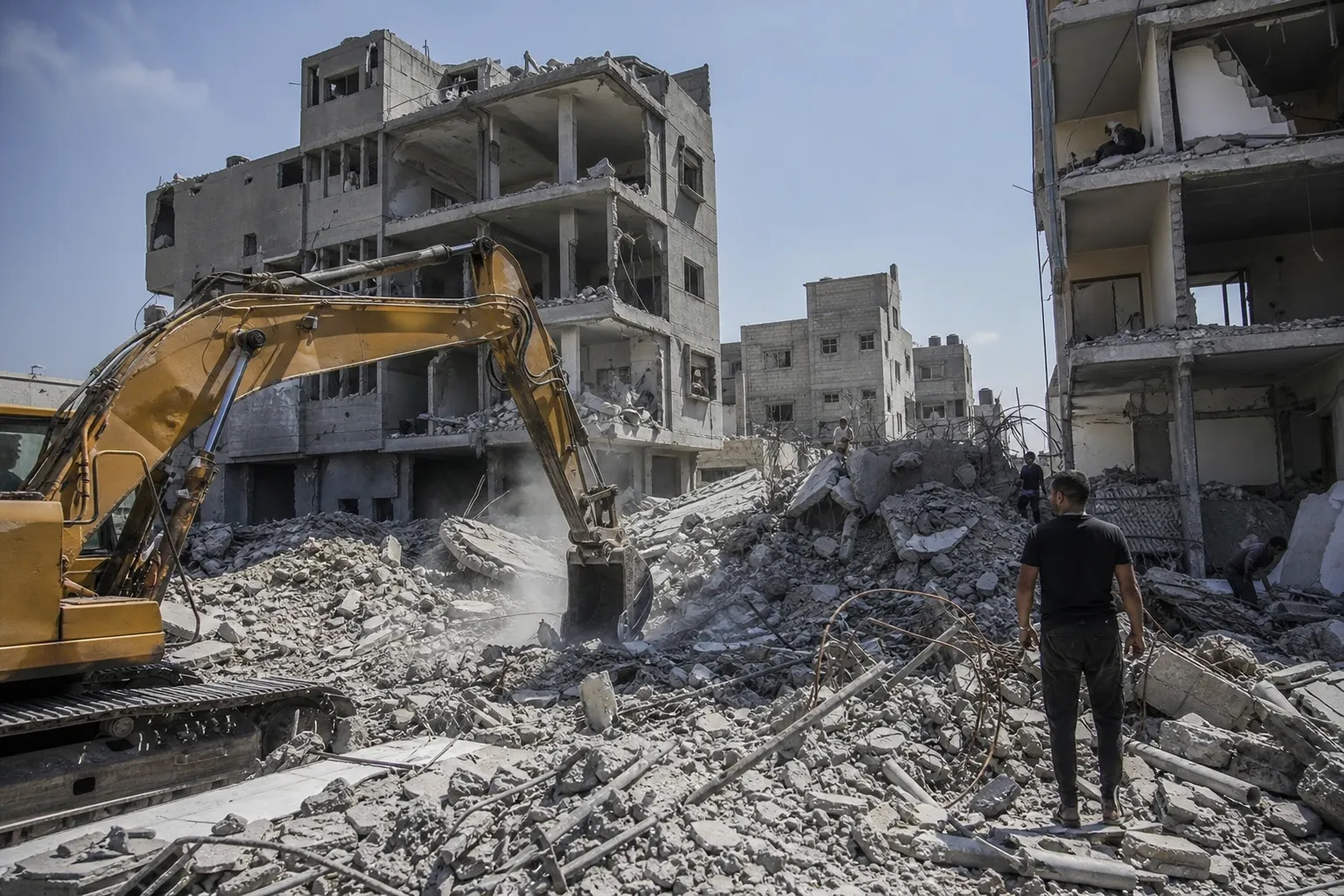
In the Gaza Strip in the Palestinian territories, UN Special Rapporteur on human rights in the Palestinian territories Francesca Albanese said that clearing rubble could destroy evidence of possible grave crimes and hinder the recovery of human remains. This was reported by the Jerusalem Post.
Preserving evidence
According to the UN's estimate, the war in Gaza has generated about 61 million tonnes of rubble and debris, and clearing it could take seven years. Albanese stressed that evidence must be collected and human remains identified before full-scale work begins.
She stated that the rubble in destroyed Gaza is not merely construction waste, but also part of a crime scene, a cemetery, and material evidence of what occurred during the two-year bombing campaign. According to her, Palestinians should lead the development of waste removal plans.
More current news is available on the UA.News Telegram channel Telegram.
Claims about companies' involvement
Albanese said that several sources had confirmed the involvement of Israeli companies in clearing the rubble, but did not name those companies. Her office did not immediately respond to a request regarding the origin of this information. Israel's Foreign Ministry, the Prime Minister's Office, and the Israel Defense Forces also did not respond to a request for comment.
In February, Germany, France, and Italy condemned Albanese's statements, which they believed were excessively negative toward Israel. Albanese denied making the statements attributed to her by them. In July 2025, the United States imposed sanctions on her, saying that she had sought to prompt the International Criminal Court to take action against US and Israeli officials, companies, and executives.
According to Gaza health authorities run by Hamas, more than 73,000 Palestinians have been killed as a result of Israel's military campaign. Israel says it makes significant efforts to avoid civilian casualties and accuses Hamas of using civilians as human shields in densely populated areas.


