
The U.S. still relies on Russian uranium for its nuclear power plants
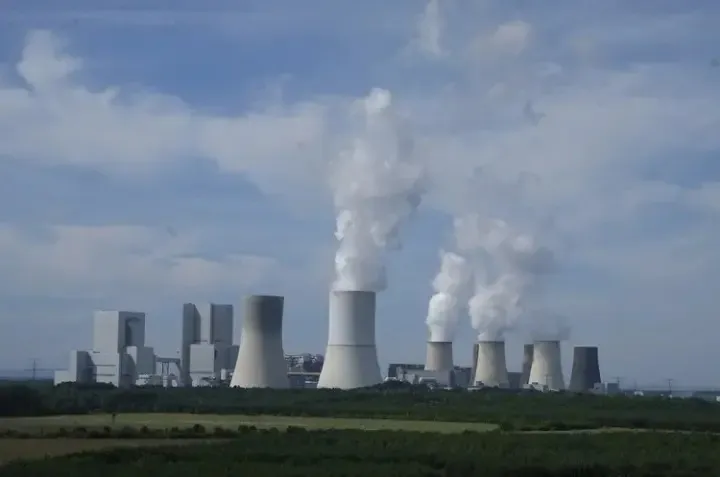
The U.S. has not yet been able to completely phase out Russian enriched uranium, which is used as fuel for nuclear power plants. Despite plans to end such purchases by 2028, the U.S. energy sector still relies heavily on supplies from Russia. According to Bloomberg, Russian uranium enrichment services accounted for about a quarter of all such purchases by U.S. nuclear power plant operators in 2025.
The U.S. nuclear power industry still relies on Russia for supplies of enriched uranium—the fuel used to power nuclear reactors. Nuclear power plants generate about 20% of the country’s total electricity. According to Bloomberg, this dependence could complicate Washington’s plan to completely phase out Russian uranium by 2028.
According to a report by the U.S. Energy Information Administration, in 2025, U.S. nuclear power plant operators purchased Russian uranium enrichment services amounting to approximately 3.28 million Separative Work Units (SWU). This accounted for nearly 26% of all uranium enrichment services purchased by the U.S. By comparison, Russia’s share was lower ten years ago—about 17%.
Why the U.S. Still Depends on Russia
The issue has become particularly noticeable against the backdrop of U.S. plans to expand nuclear power. Demand for electricity is growing due to the development of large data centers, artificial intelligence, and the general electrification of the economy. Energy companies are trying to extend the operational life of older reactors and bring some decommissioned nuclear power plants back online. At the same time, developers of small modular reactors need a stable supply of fuel for new projects.
Despite attempts to build domestic capacity, the U.S. and its allies have not yet been able to fully replace Russian supplies. In 2025, approximately 77% of the uranium enrichment services purchased by U.S. operators came from abroad. Russia remained the largest single supplier.
The law is in place, but a complete ban has not yet been implemented
In 2024, the U.S. passed a law banning the import of Russian uranium. At the same time, the law allows the Department of Energy to grant exemptions if alternative sources of supply are unavailable or if doing so is in the national interest. Such exemptions may remain in effect until January 2028 at the latest.
Bloomberg notes that this situation creates additional risks for U.S. energy companies. They depend not only on Washington’s decisions but also on Russia’s ability to continue exports. Against the backdrop of tense relations between Moscow and Washington, this could become a problem for the stability of supplies.
The U.S. Is Increasing Its Own Production
U.S. authorities and allies are working to develop alternative sources of uranium enrichment, but these projects will take time. Urenco USA plans to increase its capacity by approximately 700,000 separation units by early 2027.
Larger projects by Centrus Energy and Orano are not expected to be completed until at least 2029. Thus, the U.S. is seeking to end its dependence on Russian uranium, but a rapid transition to its own and its allies’ capacity remains a challenging task, according to Bloomberg.
Iranian Foreign Minister Abbas Arakchi held telephone conversations with the foreign ministers of Bulgaria and Cyprus, warning them against making their infrastructure available to support U.S. military operations.


