
This Day in History: August 28—How Montenegro Became a Kingdom
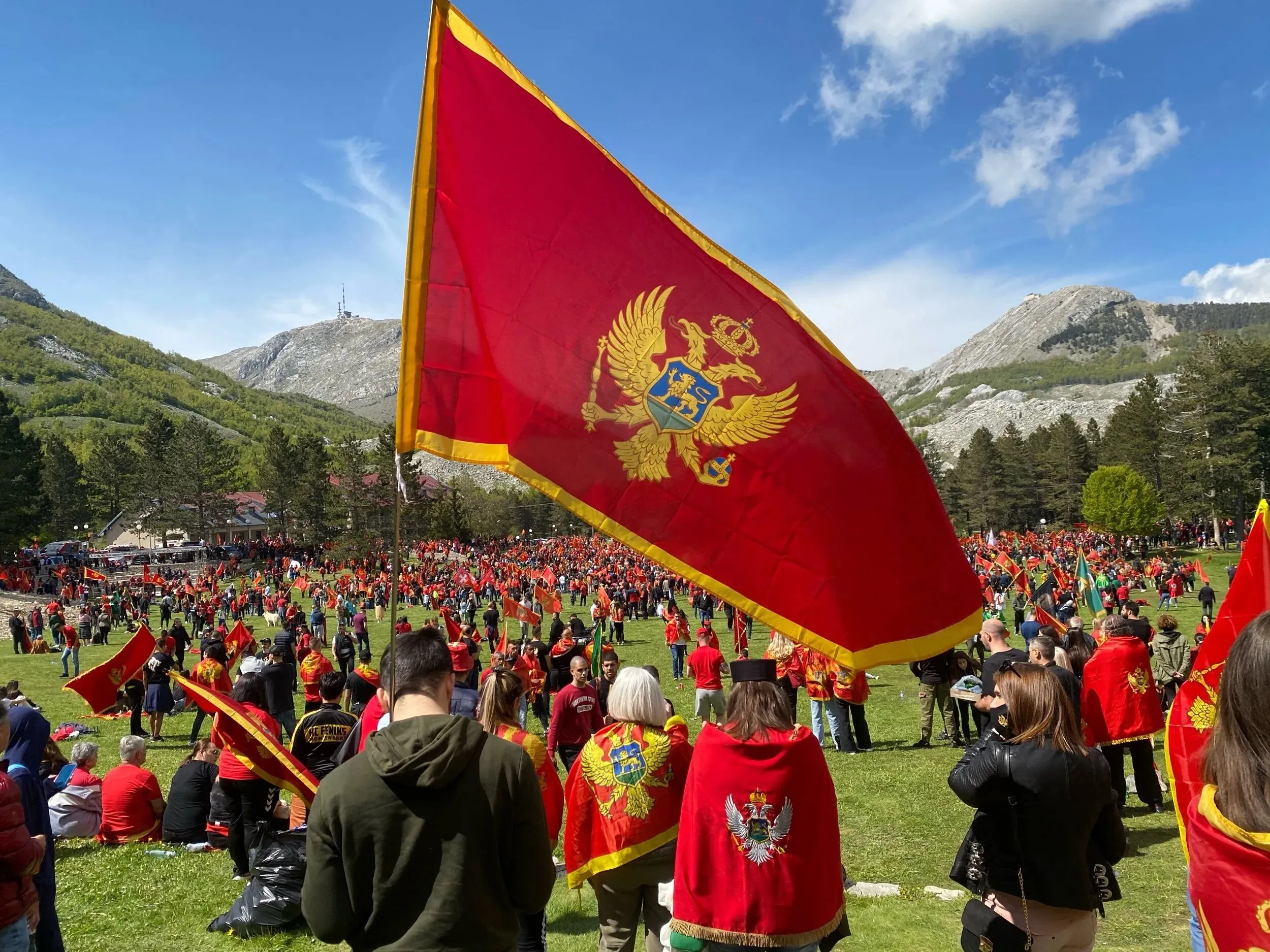
August 28 in Montenegro’s history is associated with the proclamation of the country as a kingdom. On this day in 1910, at a ceremonial session in Cetinje, Prince Nikola I Petrovich-Njegoš became King of Montenegro. The event became an important symbol of the country’s statehood and one of the most significant chapters in its history.
On August 28, 1910, the Kingdom of Montenegro was solemnly proclaimed in Cetinje. Prior to this, the country had been a principality, ruled by Nikola I Petrović-Njegoš. He had been in power since 1860 and played a leading role in shaping modern Montenegro. The proclamation of the kingdom took place during the celebration of the 50th anniversary of Nikola I’s reign. The ceremonial session was held at the Vladina House in Cetinje—it was in this very building that the establishment of the kingdom was officially announced in 1910. One hundred and ten years later, in 2020, an exhibition dedicated to this historic event was held there.

Following the proclamation of its new status, Nikola I assumed the title of king. Thus, Montenegro joined the ranks of European states with a monarchy.
Why This Event Was Important
By the early 20th century, Montenegro already had significant experience in independent state development. The transition from a principality to a kingdom was not merely symbolic. For the country’s leadership, it was a way to emphasize its statehood and international standing.

Interestingly, Montenegro had a royal tradition dating back to the Middle Ages. According to the country’s government, the first royal symbols are associated with Prince Mihail Voislavlević, who lived in the 11th century. Therefore, the proclamation of the kingdom in 1910 was also seen as a return to an ancient state tradition.
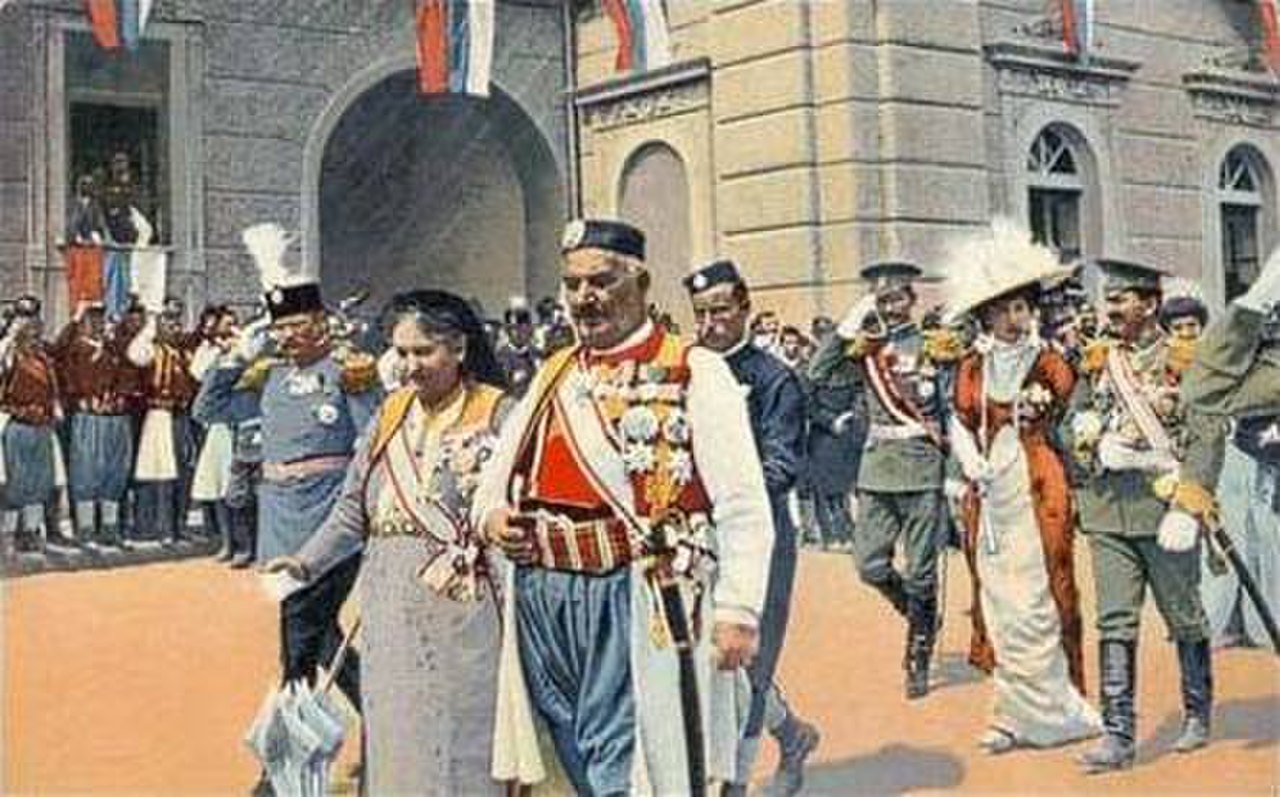
Nicholas I became not merely a new king, but in fact a symbol of that era. During his reign, Montenegro developed its state institutions, education, diplomatic ties, and infrastructure. His reign lasted more than half a century, making Nikola I one of the longest-reigning monarchs in the region.
Who Was Nikola I
Nikola I Petrovich-Njegoš was born in 1841. In 1860, following the death of his uncle Danilo II, he became the ruler of Montenegro. Initially, Nikola held the title of prince, and 50 years after the start of his reign, he became king. Under Nikola I, Montenegro underwent significant changes. The country gradually strengthened its state institutions and sought to secure its place among European nations. In 1878, at the Congress of Berlin, Montenegro’s independence received international recognition.
That is why the proclamation of the kingdom in 1910 was a logical continuation of the long process of strengthening statehood. For Nikola I, it was also a personal milestone—by that time, he had already been in power for half a century.
What Happened After the Proclamation
The Kingdom of Montenegro did not last long. During World War I, the country found itself in a difficult situation and was occupied by Austria-Hungary. In 1918, after the war ended, events unfolded that radically altered the country’s future. Following decisions by the Grand National Assembly in Podgorica, Montenegro lost its separate statehood and became part of the Kingdom of Serbs, Croats, and Slovenes, which later became the Kingdom of Yugoslavia.

Nicholas I never returned to Montenegro. He died in France in 1921. His descendants later continued to represent the Petrović-Njegoš dynasty.
How This Date Is Commemorated Today
It is important to note that August 28 is not a modern national holiday in Montenegro nor an official day off. In the current calendar, the main national holidays include, in particular, Independence Day on May 21 and Statehood Day on July 13.
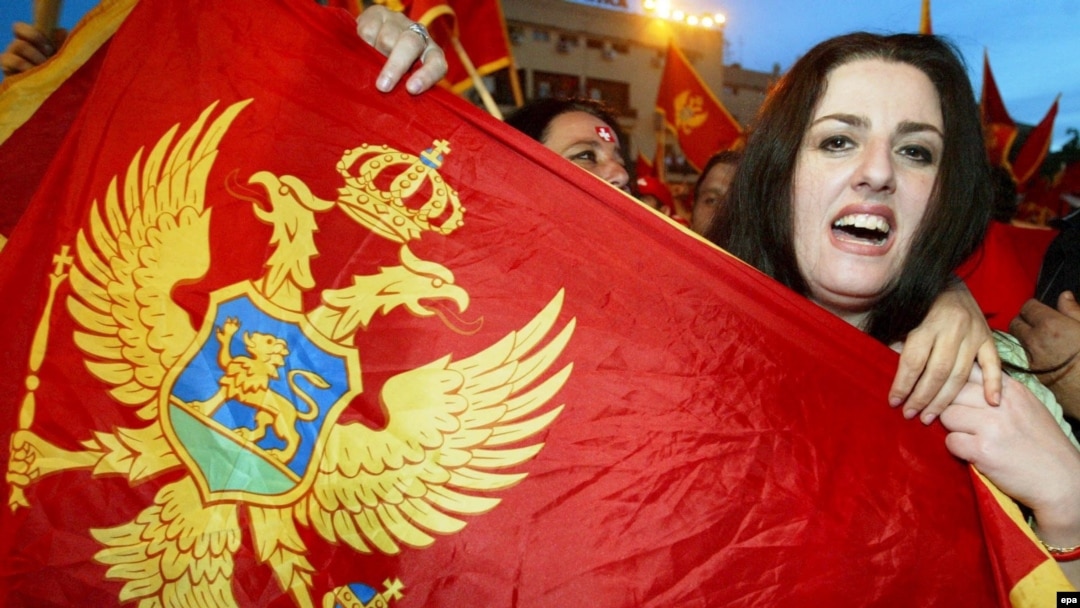
At the same time, the anniversary of the proclamation of the kingdom is commemorated as an important historical date. Cetinje—the former capital of Montenegro and a city closely associated with the Petrović-Njegoš dynasty—plays a special role in these events.
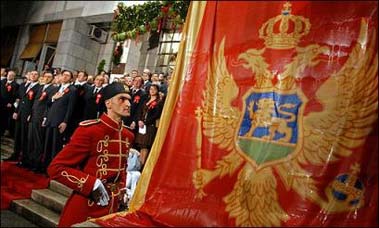
During anniversary years, exhibitions, historical presentations, and cultural events are held here. For example, in 2020, to mark the 110th anniversary of the proclamation of the kingdom, a special exhibition opened at the Vlad’s House. It chronicled the events of 1910 and the role of the monarchy in the country’s history.
Interesting Facts About the Kingdom
Cetinje, where the kingdom was proclaimed, remains an important cultural and historical center of Montenegro today. Although Podgorica is the capital of the modern state, it is Cetinje that holds the status of the country’s historical capital.
Another interesting fact is that Nikola I was not only a political figure. He wrote literary works and poetry, and his family played a prominent role in Montenegro’s cultural life.
The period of the monarchy was also marked by sweeping changes in the country’s international standing. Montenegro sought to expand its diplomatic ties and strengthen its position in the Balkans.
In 2006, Montenegro once again became an independent state following a referendum on May 21. This marked the end of a long period during which the country lost and regained various forms of statehood.
Therefore, August 28 is, first and foremost, a historic date for Montenegro. It commemorates the year 1910, when the principality became a kingdom and Nicholas I was crowned. Today, this event is remembered as an important part of Montenegro’s history as a sovereign state, although August 28 is not an official national holiday.


