
July 1 Holiday: Canada Celebrates Its Main National Holiday

On July 1, Canada celebrates its main national holiday—Canada Day. It was on this day in 1867 that the law uniting several British colonies into a single nation came into effect, marking the birth of modern Canada. Concerts, festivals, parades, family events, and festive fireworks displays take place across the country.
Every year on July 1, Canadians celebrate Canada Day—one of the country’s most important national holidays. For millions of people, it’s a day of rest, family gatherings, major concerts, festivals, and festive fireworks. It is on this day that people commemorate the event that marked the beginning of the history of the modern Canadian state.

The holiday is linked to July 1, 1867, when the British North America Act came into effect. The document united the provinces of Ontario, Quebec, Nova Scotia, and New Brunswick into a single Dominion of Canada. This date is considered the country’s birthday, although Canada achieved full legislative independence from Great Britain gradually over the following decades.

Interestingly, the holiday was originally called Dominion Day. It was officially celebrated as such for over a hundred years. It was not until 1982, following the adoption of the Constitution Act and the completion of the country’s constitutional independence, that Parliament changed the name to Canada Day. Since then, the holiday has symbolized not only the historic unification of the provinces but also the modern, independent nation.
%20(1).jpg)
For most Canadians, July 1 is the country’s true birthday. On this day, cities are decorated with national flags, festive parades wind through the streets, and open-air concerts are held in central squares. Both large cities and small towns join in the celebrations, hosting fairs, sports competitions, exhibitions, and family festivals.
.jpg)
The largest events traditionally take place in the capital, Ottawa. Official ceremonies are held here, featuring the Prime Minister, the Governor General, military bands, and famous Canadian artists. The highlight is a grand evening concert, followed by festive fireworks lighting up the sky above the city. The celebrations aren’t limited to the capital. In Toronto, Montreal, Vancouver, Calgary, Edmonton, and dozens of other cities, there are music festivals, street performances, local farmers’ markets, food festivals, and sporting events. Play areas, contests, and free entertainment are organized for children.
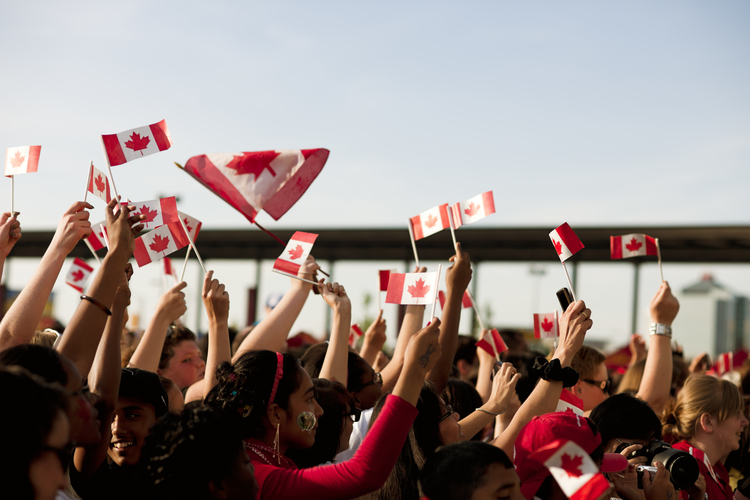
One of the most famous traditions is the use of the national colors—red and white. Canadians wear T-shirts with a maple leaf, paint their faces, and decorate their homes with flags and ribbons. In many cities, even pets are dressed in festive costumes featuring the country’s symbols. Another popular tradition is family picnics and barbecues. Weather permitting, people gather in parks, on lakeshores, or in their own backyards. For many, Canada Day is an opportunity to spend time with loved ones, as the holiday falls in the middle of summer.
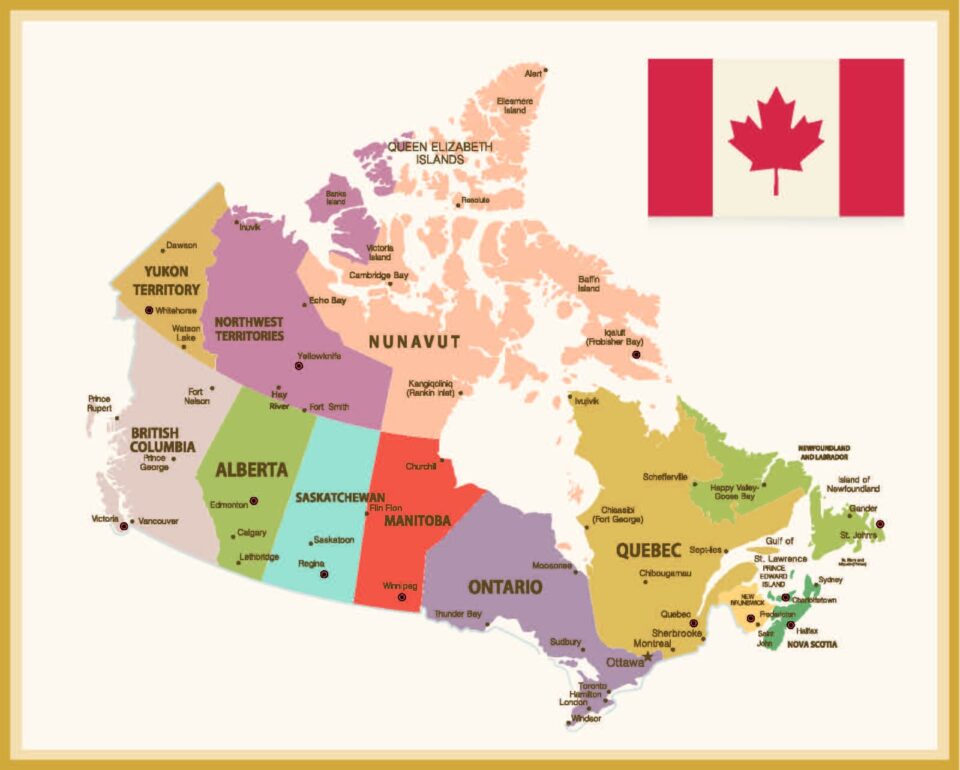
Concerts by Canadian artists play a special role in the celebrations. The stages feature contemporary music, folk, jazz, and rock, with performances by artists from various cultural communities. This highlights one of the country’s defining characteristics—its multiculturalism and cultural diversity. Citizenship ceremonies are often held during the celebrations. On July 1, hundreds of people from around the world officially become Canadian citizens. For many, this is a symbolic moment, as they receive citizenship on the very day their new homeland was founded.

At the same time, in recent years, Canada Day has become not only a cause for celebration but also a day of reflection. There is growing discussion in the country about complex chapters of history, particularly the fate of Indigenous peoples and the system of residential schools for children from Indigenous communities. In some cities, alongside festive events, there are commemorative gatherings, discussions, and cultural events dedicated to reconciliation and rethinking history. Among the interesting facts: the maple leaf has long been a symbol of the country, although it did not appear on the national flag until 1965. The flag itself, featuring a red maple leaf, is now one of the most recognizable national symbols in the world and is a staple of Canada Day celebrations.

Another interesting fact is that Canada Day is officially a public holiday. If July 1 falls on a Sunday, the additional day off is moved to Monday. Thanks to this, many Canadians go on short trips or spend the long weekend enjoying the outdoors. For millions of Canadians, Canada Day remains a celebration of unity, freedom, and national pride. It is a day when people of different backgrounds, cultures, and languages come together to celebrate their country’s history and its journey from a few colonies to one of the most successful and developed countries in the world.



