
October 16, 2026 — World Bread Day: How Bread Became a Symbol of Life
October 16 marks World Bread Day—a celebration of one of the oldest and most familiar foods on our tables. It was established in 2006 to draw attention to the work of bakers, the bread-making traditions of different peoples, and the issue of hunger. In 2026, the date falls on a Friday.
World Bread Day is observed annually on October 16. It is not a public holiday with a day off, but an international observance dedicated to bread, its history, and its significance in people’s lives. On this day, we honor not only the bakers who prepare fresh baked goods every day, but also the farmers who grow grain and everyone involved in food production.
The holiday was established in 2006 on the initiative of the International Union of Bakers and Confectioners. The organizers chose a date that already held significant meaning for the food sector. It was on October 16, 1945, that the Food and Agriculture Organization of the United Nations (FAO) was founded. Its work focuses on agricultural development, improving nutrition, and combating hunger. In 2026, World Bread Day will be celebrated on Friday, October 16. This date coincides with another important event—World Food Day. It was established in 1979 and first observed in 1981. Both events serve as a reminder that access to food cannot be taken for granted by anyone.
Why Does Bread Have Its Own Holiday?
Bread is part of the daily diet of many peoples. It is eaten for breakfast, served with soups and hot dishes, and used for sandwiches and various snacks. At the same time, its significance extends far beyond the kitchen. In many cultures, bread symbolizes well-being, hospitality, abundance, and shared meals.
World Bread Day is an opportunity to remember the work of the people who make it possible for bread to reach our tables. Behind an ordinary loaf lies a long process: growing grain, harvesting, milling flour, kneading dough, baking, and delivery. Each stage requires time, knowledge, and responsibility. And the quality of the finished product depends not only on the recipe but also on the raw materials and adherence to the production process.

Another goal of this day is to draw attention to the problems of hunger and unequal access to food. Even if people in one place have dozens of types of baked goods to choose from, families in another may lack even the most basic food items. That’s why this holiday is connected not only to cooking but also to issues of food security, poverty, and the responsible use of food.
Bread in Human History
Bread is much older than you might think. Archaeologists have found remnants of baked goods in Jordan dating back approximately 14,400 years. This means that people were preparing bread-like foods even before the advent of agriculture as we know it. The findings consisted of charred dough remnants made from wild grains and other plants. It is believed that ancient people mixed ground ingredients with water and then baked them in hot ashes or on a hot stone.

Such baked goods bore little resemblance to a modern, fluffy loaf. They may have been thin, flat, yeast-free cakes, similar to certain types of bread still made today in various countries. To make them, people had to gather plants, separate the grains, grind them, and knead the dough. It was painstaking work, but people spent time on it long before they began growing grain crops in the fields.
Over time, the development of agriculture changed the way bread was made. People began to grow wheat, barley, and other crops, and the techniques for milling and baking gradually improved. Different regions developed their own recipes, shapes, and methods of preparation. These were influenced by local grains, climate, available fuel, and culinary traditions.
Ancient civilizations of the Middle East and the Mediterranean played a special role in the development of breadmaking. In Egypt, bread was an important part of the diet, and baking eventually became a distinct craft. The Greeks and Romans also developed the art of baking and spread various methods of preparing baked goods. Eventually, bread became a staple in many parts of Europe, although its composition and availability varied depending on the era and a family’s wealth.
How Bread Became a Symbol of Prosperity and Hospitality
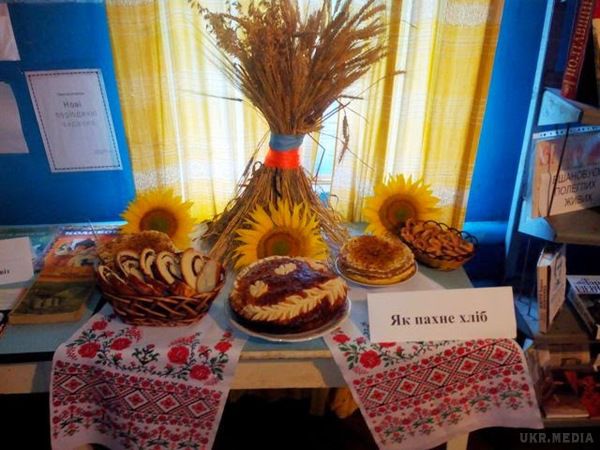
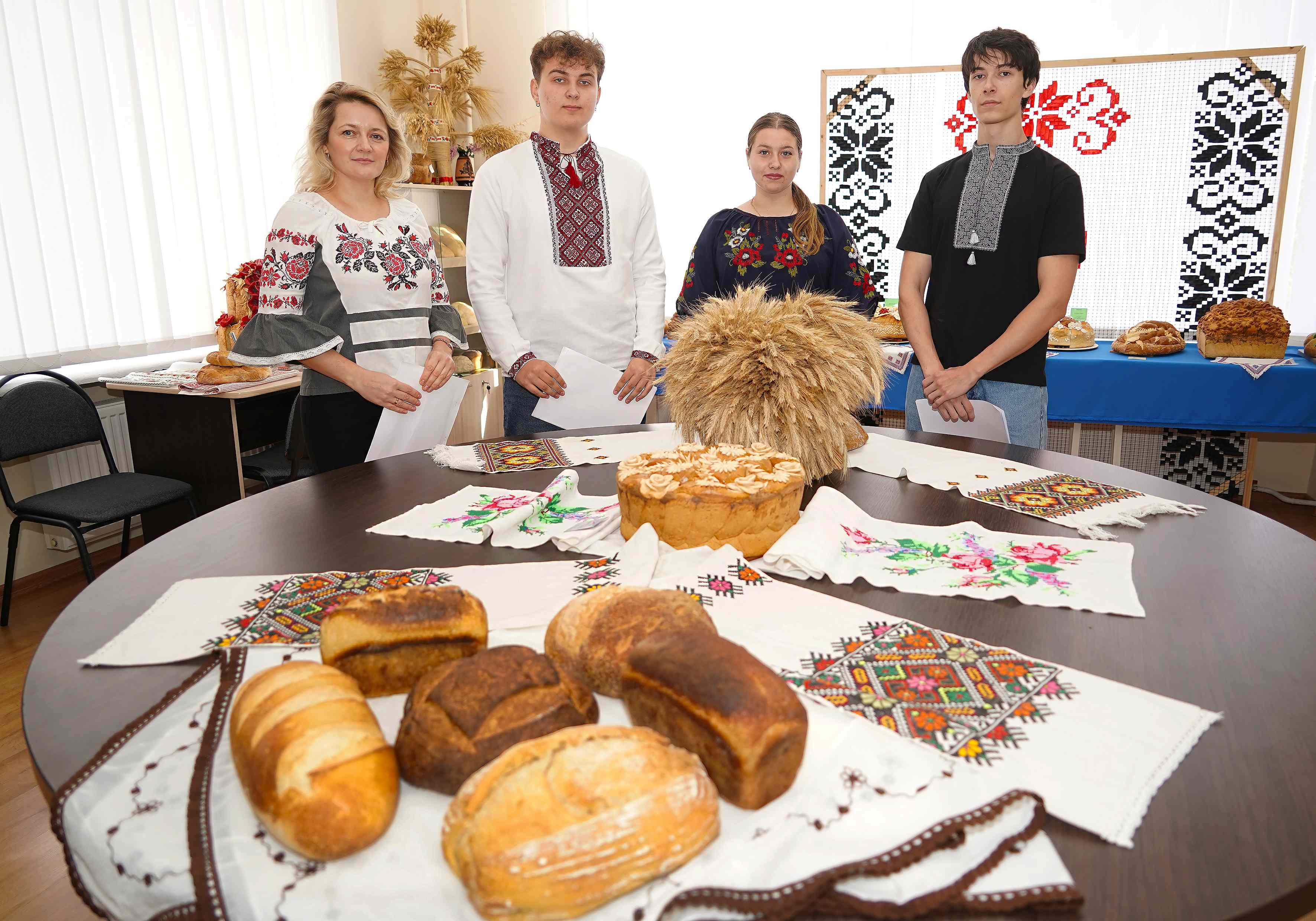
In many countries, bread holds special cultural significance. It is served to guests as a sign of respect, placed on the festive table, and used in family rituals. In various traditions, it symbolizes life, well-being, and the wish that there will always be food in the home. That is why the attitude toward bread often goes beyond that of an ordinary food item. In Ukraine, bread also holds a special place. Many customs are associated with it, including welcoming guests with bread and salt and serving a korovai at weddings. Korovai are decorated with dough ornaments, wheat ears, flowers, and other symbolic elements. In wedding tradition, it embodies prosperity, wishes for a happy life together, and abundance for the new family.
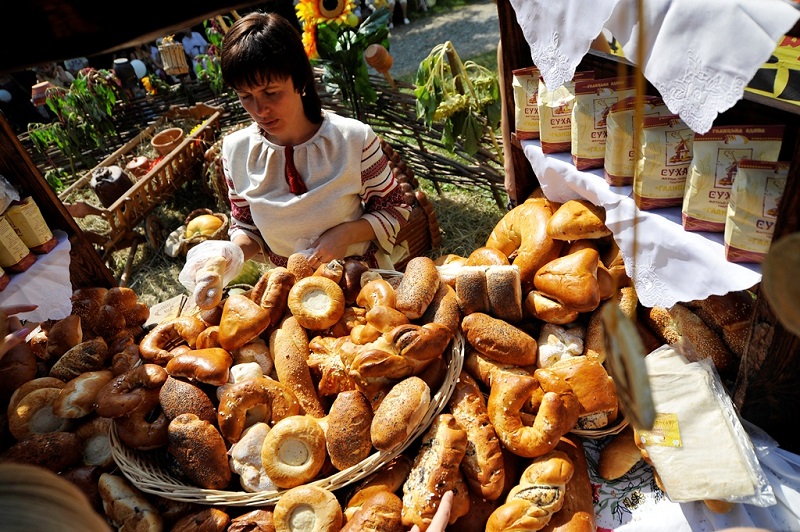
Bread was often important in everyday life as well. People took it with them on journeys, shared it with neighbors, and served it with various dishes. In times of food scarcity, it could become a family’s main staple, which is why many families treated it with special care. This gave rise to the custom of not throwing bread away unnecessarily and using even yesterday’s bread for croutons, toast, or other dishes.
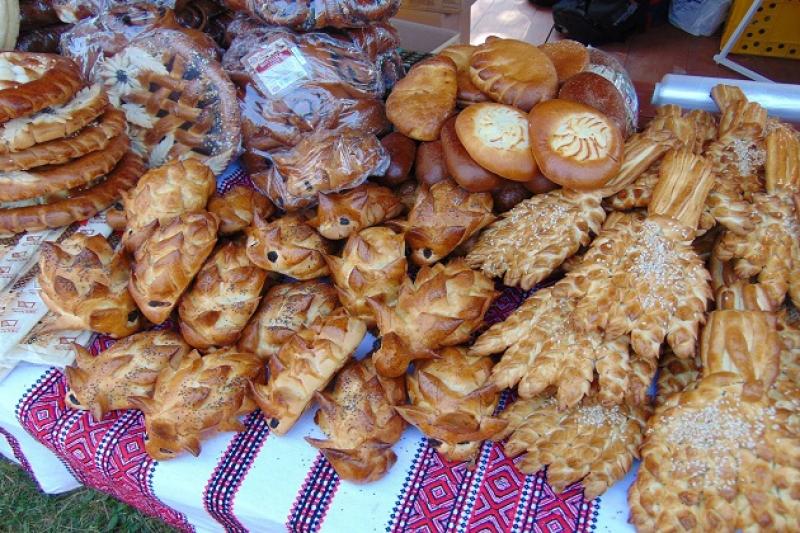
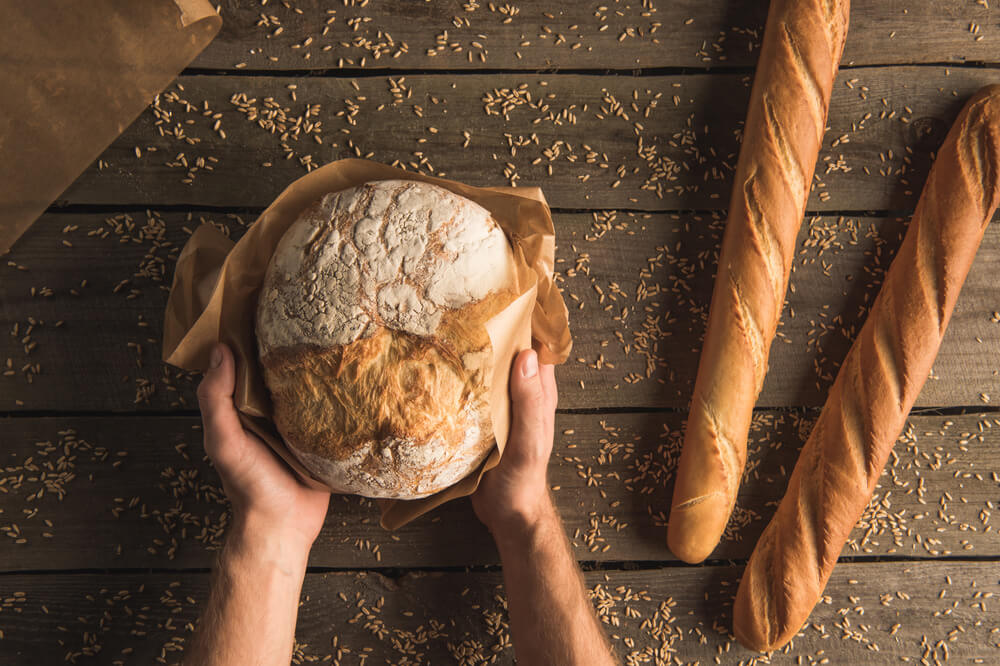
At the same time, bread traditions vary around the world. In some places, round, flat cakes predominate; in others, large loaves, baguettes, or rye breads. In some countries, bread is made primarily from wheat; in others, from rye, corn, rice, or mixtures of various grains. This shows how a single product has adapted to different conditions and become a staple in the cuisines of many peoples.
Interesting Facts About Bread
- The oldest bread ever found was baked approximately 14,400 years ago. Its remains were discovered at the Shubayka-1 archaeological site in northeastern Jordan. The discovery was significant for researchers because it indicates that people began making bread-like products even before they began systematically cultivating grains.
- Bread was not always equally accessible to everyone. In different historical periods, the quality and type of baked goods depended on a family’s wealth and access to flour. Finely ground flour and white bread could be more expensive in certain eras, while simpler varieties were made from coarser flour. However, this was not a universal rule for all countries and times: dietary habits varied depending on local conditions.
- Not all bread requires yeast. There are many types of flatbreads that are prepared without prolonged dough fermentation. They can be baked on a hot stone, in an oven, or on a metal surface. Such recipes are particularly ancient and remain part of traditional cuisine in various regions of the world to this day.
- Bread isn’t just made from wheat. In different countries, it’s made from rye, corn, oat, and other types of flour. The ingredients affect the color, density, taste, and texture of the finished product. For example, rye bread often has a denser crumb and a more pronounced flavor, while wheat bread can be lighter and fluffier—depending on the recipe and baking method.
- Leftover bread can be reused. Stale bread is suitable for making breadcrumbs, croutons, breading, casseroles, and some desserts. This is not only a way to save money but also an opportunity to reduce food waste. At the same time, bread showing signs of mold shouldn’t simply be trimmed and eaten: the fungus can spread inside the loaf, even if it isn’t visible across the entire surface.
- Bread has its own symbolic meaning in many cultures. In Ukraine, it is associated with hospitality and family rituals, while in other countries it may be linked to religious holidays, local festivals, or the tradition of sharing a meal. These customs vary, but they often share a common theme—sharing food and wishing others well.
How World Bread Day Is Celebrated
There is no single mandatory way to celebrate. Bakeries may prepare special offers, showcase different types of baked goods, or educate customers about the bread-making process. Educational institutions and professional communities may hold themed classes, workshops, and meetings with bakers. The format depends on the country, city, and specific organizers.
For bakers and pastry chefs, this is an opportunity to showcase their work and explain how much knowledge and time it takes to bake a high-quality product. During master classes, participants can learn how to knead dough, why it needs time to rise, and how temperature affects the crust. Some events focus on traditional recipes, while others highlight new techniques and ingredient combinations.

You can also celebrate this day at home. For example, bake your own loaf, try a bread recipe from another country, or buy baked goods at a local bakery. You can also ask older relatives about family recipes that have been passed down from generation to generation. Or, make homemade croutons or breadcrumbs from bread left over from the day before.

Another way to get involved is to pay attention to people who lack food. If possible, you can donate edible food to a charitable organization or join a local aid initiative. It’s important to follow food safety guidelines and ensure the food is in good condition before donating it. This way, the celebration becomes not just an excuse to enjoy something delicious, but also an opportunity to reflect on food access and responsible food consumption.
Why It’s Important Not to Waste Bread
Bread may seem like an inexpensive and everyday item, but its production requires resources. To make a loaf of bread, you need to grow grain, use land and water, harvest the crop, grind the flour, knead the dough, and bake the bread. All of these stages require labor, energy, and time. Therefore, discarded bread is not only wasted food but also the resources used to produce it.

To reduce waste, buy only as much bread as your family will actually eat. You can freeze part of a loaf if you don’t plan to use it right away. Stale bread is often suitable for other dishes, so you don’t have to throw it away just because it’s no longer soft. The main thing is to check its condition and avoid using any bread that has developed mold.
The issue of food waste is closely linked to the topic of food security. While some people throw away edible food, others do not have enough to meet their daily needs. Of course, one person alone cannot solve the problem of hunger, but planning purchases more carefully and supporting charitable initiatives can be helpful steps.
World Bread Day and World Food Day
October 16 marks two food-related observances. World Food Day is dedicated to the broader issue of people’s access to sufficient and nutritious food. Its establishment is linked to the founding of the FAO on October 16, 1945. In 1979, the organization’s conference decided to observe this day annually, and the first events were held in 1981.

World Bread Day was established later, in 2006. It focuses on a specific product—bread—its history, cultural significance, and the work of the people who make it. At the same time, these holidays complement each other: bread is part of the food system, and having it on the table depends on grain cultivation, production, food availability, and people’s well-being.

So, October 16 is not just an excuse to buy a fresh loaf or bake bread at home. It’s an opportunity to reflect on the centuries-old history of a product that has accompanied humanity since prehistoric times. It’s also a chance to thank the people whose work helps fill our tables, and to reflect on how we can waste less food and support those in need.




