
Holiday on September 18, 2026 — Chilean Independence Day: How Fiestas Patrias Are Celebrated
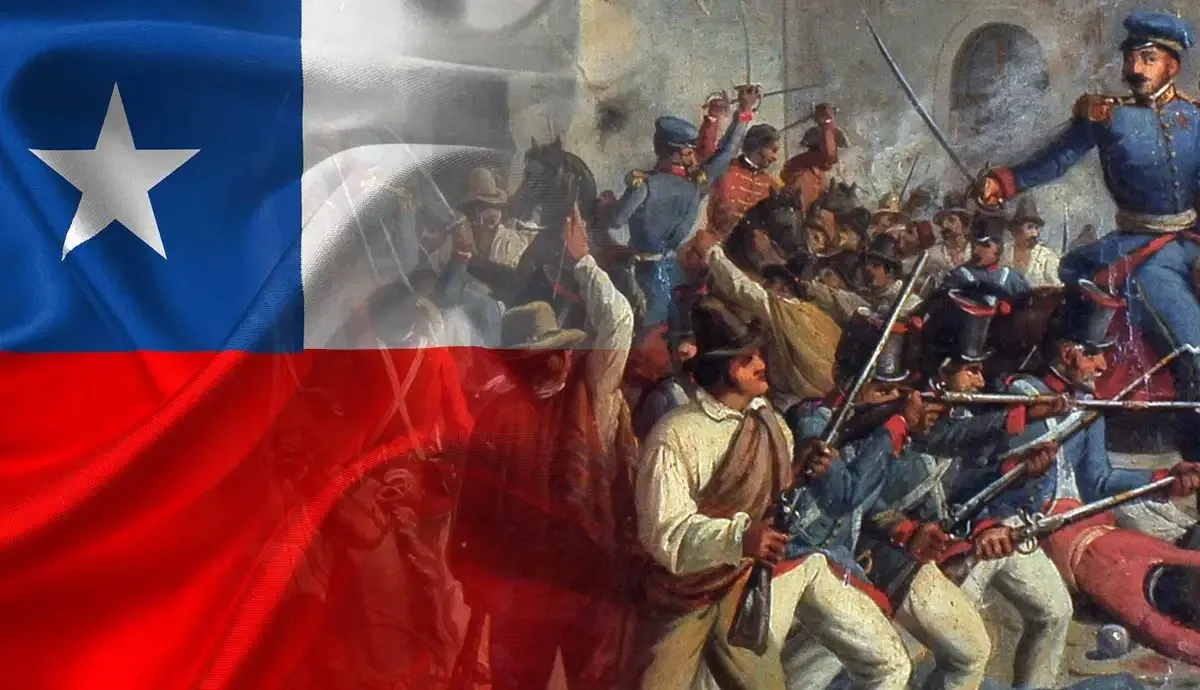
On September 18, Chile celebrates National Independence Day—the country’s main national holiday, which locals call “El Dieciocho,” meaning “the eighteenth.” This day commemorates the establishment of the First National Government Junta in 1810, which marked the beginning of Chile’s independence from Spain. In 2026, the celebration falls on September 18 and 19 and is accompanied by dancing, folk festivals, music, barbecues, empanadas, and traditional games.
Chile’s National Independence Day is celebrated annually on September 18. Along with September 19, this date is one of the country’s major national holidays and is an official day off for Chileans. In everyday speech, the entire holiday period is often referred to as Fiestas Patrias, meaning “patriotic holidays,” and September 18 is called “El Dieciocho.” In 2026, September 18 falls on a Friday. Therefore, the festivities will span several days, and large celebrations will take place throughout the country. Chile’s official tourism agency notes that this year, Fiestas Patrias will take place September 18–20, although September 18 and 19 remain the main national holidays.
This is not just a red-letter day on the calendar. For Chileans, “El Diezochito” is one of the most important parts of their national culture. During this time, cities, villages, and even small towns are decorated with flags, festive venues are set up, and families gather around a large table.
How Chile’s History of Independence Began
The history of the holiday dates back to September 18, 1810. On that day, the First National Government Junta was established in Santiago. It emerged against the backdrop of a political crisis in the Spanish Empire and became an important step toward Chile’s future independence. It is this event that is now considered the beginning of the country’s liberation from Spanish colonial rule.
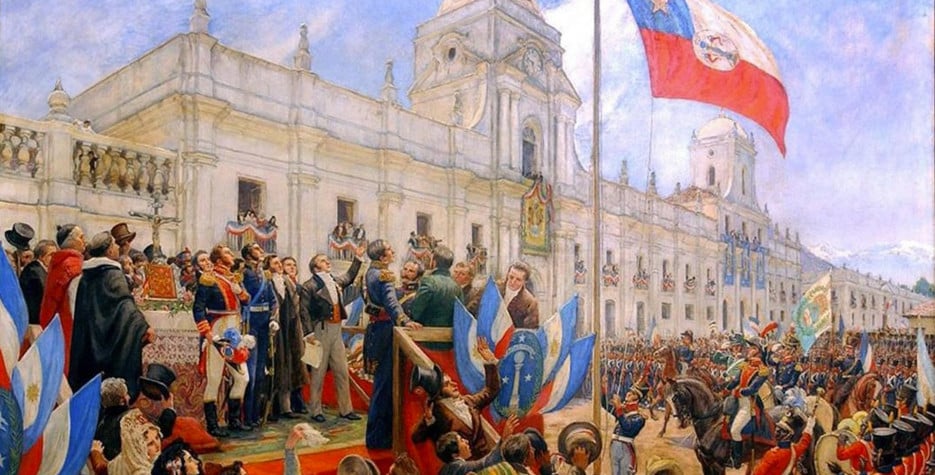
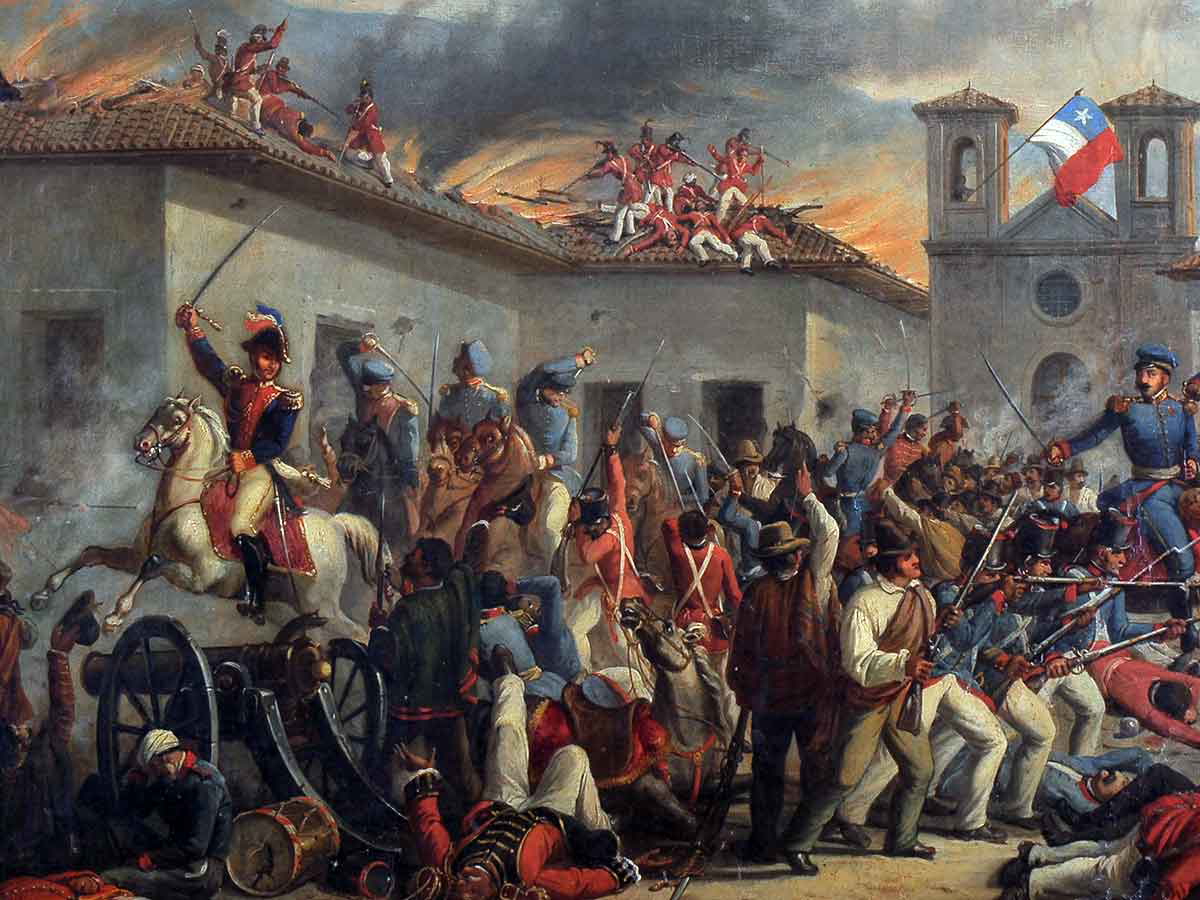
However, independence was not actually declared on September 18, 1810. The process lasted several years and was marked by military and political events. Chile’s official declaration of independence was signed on February 12, 1818. Therefore, for the country, September 18 is first and foremost the day that marked the beginning of the path to independence, rather than the date the declaration itself was signed.
Chilean political and military figures, notably Bernardo O’Higgins, played a significant role in the struggle for independence. He became one of the main leaders of the independence movement and later headed the state as Supreme Director. A pivotal event was the Battle of Maipú in 1818, which helped secure Chile’s independence. Therefore, modern celebrations combine several elements. They include commemorating historical events, showing respect for the state and its symbols, and simply enjoying time with family and friends. For Chileans, September has become the month when the country’s history literally takes to the streets.
Why Are There Two Days of Celebration?
September 18 is dedicated to the beginning of the independence process, while September 19 is celebrated in Chile as Army Day. This tradition has its own history. Army Day has been officially celebrated since 1832, although references to similar events date back as far as 1817. That is why Fiestas Patrias in Chile actually consists of two main dates. On September 18, the country commemorates the start of the independence movement, and the next day it honors its military history and the army. This also explains why the celebrations often stretch out over several days.
During this period, major cities host official ceremonies, parades, concerts, and folk festivals. Some events are state-sponsored, while others take the form of family outings. As a result, the holiday combines historical remembrance with a very vibrant folk culture.
What Are “Fondas” and “Ramadas”?
One of the main symbols of Fiestas Patrias is the fondas and ramadas. These are temporary festive venues that open specifically for the national holidays. There, you can enjoy traditional dishes, listen to music, dance, and take part in various activities. The tradition of these venues has a very long history. According to Memoria Chilena, the first such festive venues appeared in rural areas as early as the 16th century. Over time, the tradition spread to cities. People would gather in these places to listen to music, sing, dance, and prepare food.
Today, fondas can be huge venues that accommodate thousands of people. One of the most famous is the Fonda del Parque O’Higgins in Santiago. At the same time, much more intimate celebrations are organized in small towns and villages. For many Chileans, going to a fonda is as much a part of the September festivities as a Christmas tree at Christmas or fireworks on New Year’s Eve. It’s a place to meet friends, listen to live music, sample traditional dishes, and watch folk dances. Some venues stay open late into the evening and become the center of the city’s festive life.
The Cueca: The Festival’s Signature Dance
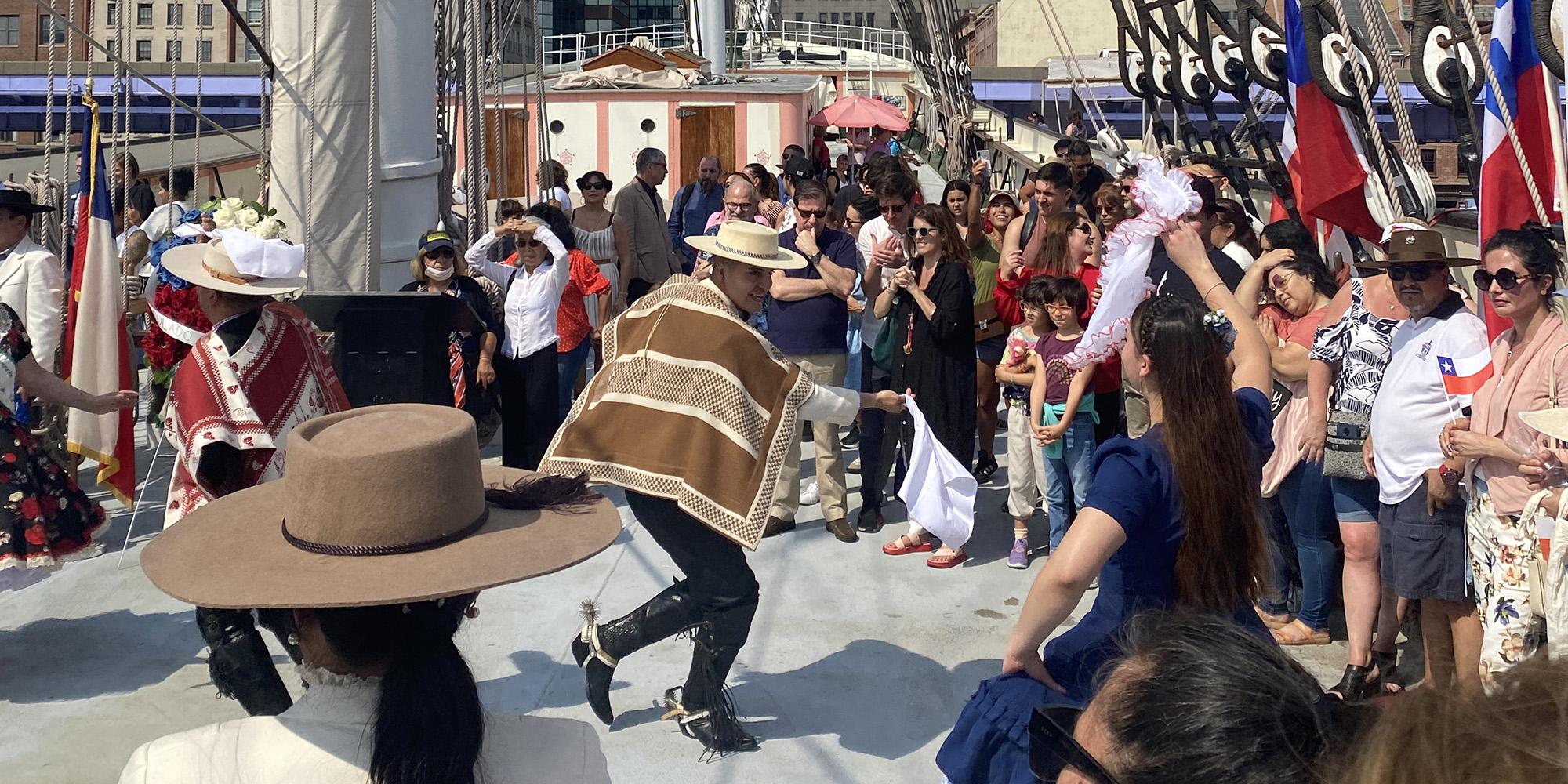
It’s impossible to imagine Fiestas Patrias without the cueca. It’s a traditional Chilean dance and one of the main symbols of national culture. During the dance, partners hold handkerchiefs in their hands, move toward each other, and perform characteristic steps. The cueca has its own symbolism. The dance movements are traditionally compared to a rooster courting a hen. A man and a woman move in a circle, drawing closer and then moving apart, while the handkerchief helps accentuate the dance movements. That is why the cueca looks both energetic and playful.

During festivals, it’s danced literally everywhere. You can see it on big stages, in restaurants, schools, town squares, and in family gatherings. For many Chileans, it’s not just a concert number but a regular part of the festivities. Chilean cumbia is also played at festive fondas. It doesn’t have the same official status as the cueca, but it has become an integral part of folk festivities. That’s why, after traditional dances, you might well hear more modern rhythms at a festive gathering.
What People Eat on Independence Day
The festive table in Chile is a special part of Fiestas Patrias. One of the main dishes is the empanada de pino—a baked empanada filled with meat, onions, a hard-boiled egg, olives, and raisins. It’s called the true queen of festive cuisine. Another popular dish is anticuchos. These are pieces of meat and vegetables skewered and grilled. Choripán—a sausage in a bun served with various sauces, including the traditional pebre—is also a common sight on festive tables.

Barbecues also play an important role. In September, Chileans gather in large groups, cook meat over an open fire, and spend a lot of time outdoors. These gatherings can last for hours, as for many, the holiday is first and foremost an opportunity to spend time with loved ones. Traditional drinks include chicha, wine, and the famous “terremoto.” The name literally translates to “earthquake.” It’s a popular Chilean festive cocktail associated specifically with the Fiestas Patrias.
Flags, Folk Costumes, and Traditional Games
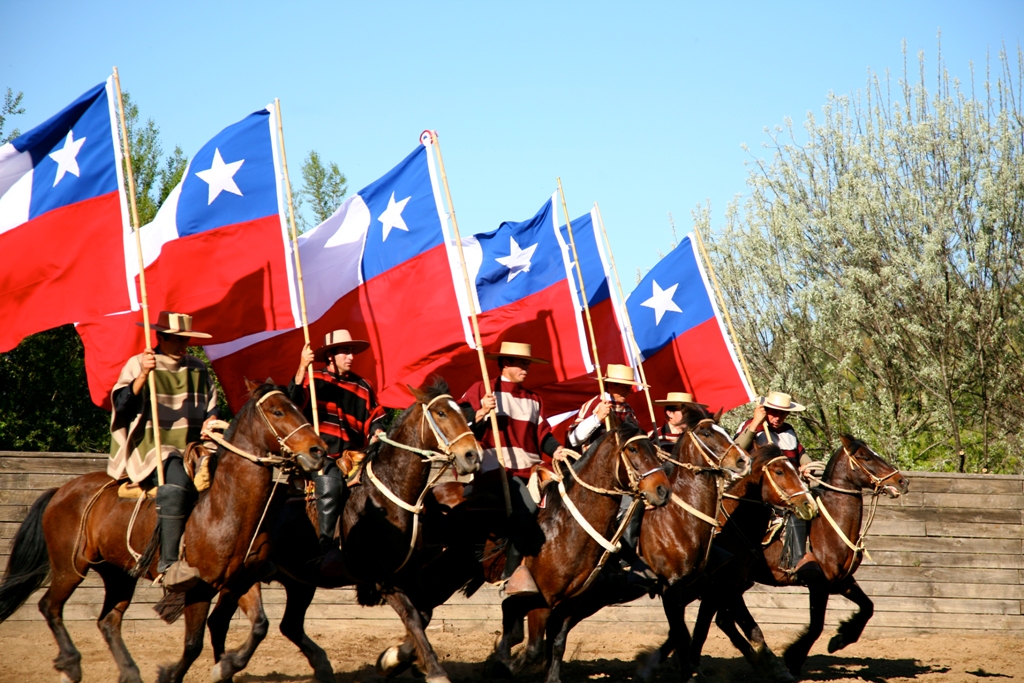
In September, Chile literally transforms. National flags appear on buildings, streets, squares, and festival grounds. The country uses white, blue, and red as the main visual symbols of the holiday. Traditional clothing can be seen at folk events. Men and women wear costumes associated with the culture of Chile’s rural areas. This is especially noticeable during cueca performances and horse shows.
.webp?width=1920&height=1277&name=Fiestas%20Patrias%20(3%20de%201).webp)
Traditional games are a distinct part of the festivities. Among them is rayuela, or the Chilean game of throwing discs at a target. Flying kites, various competitions, and family entertainment are also popular. Chile’s official tourism portal specifically mentions kite flying and traditional games as some of the signature activities during Fiestas Patrias. These activities are especially popular among families. Children can play outdoors while adults prepare food or listen to music. Therefore, the celebrations aren’t limited to concerts and large city-wide events.
How Chile’s Independence Day Will Be Celebrated in 2026
In 2026, the main events will take place on September 18 and 19, and the festive atmosphere will sweep across the country for several days. Chile’s tourism portal notes that fondas and ramadas will open from the northern desert regions to the southern fjords. In other words, celebrations will take place not only in the capital but virtually throughout the entire country.
Large-scale public festivities are planned in Santiago and other major cities. There, visitors will be able to enjoy musical performances, dance shows, fairs, food courts, and traditional entertainment. Some of the events will take place in large parks, while others will be held in smaller neighborhoods and communities. Interestingly, Fiestas Patrias falls at the beginning of spring in the Southern Hemisphere. That’s why Chileans often spend these days outdoors. After the winter months, the warmer weather naturally lends itself to picnics, walks, dancing, and family gatherings.
How Chileans Abroad Celebrate Independence
The holiday doesn’t fade away even for Chileans living outside the country. Diplomatic missions and local communities organize their own events. For example, Chileans in El Salvador held a ceremonial flag-raising, laid flowers at the Bernardo O’Higgins monument, shared a prayer, danced the cueca, and competed in rayuela. Traditional dishes are also prepared at these gatherings. Empanadas, Chilean barbecue, and other national dishes help create a festive atmosphere even far from home. For Chileans abroad, it’s also an opportunity to meet fellow countrymen and preserve their cultural traditions.

Such events show that Fiestas Patrias is not just a state ceremony. For many people, it is a personal connection to their country, family, and culture. That is why the holiday continues to be celebrated even in cities where the Chilean community is small.
Interesting Facts About Chilean Independence Day
In Chile, people often say “El Dieciocho,” meaning “the eighteenth.” This refers not only to September 18 itself but also to the atmosphere of the entire holiday period. For Chileans, this word is immediately associated with flags, cueca, empanadas, music, and family gatherings.
Another interesting fact is that the actual process of independence began in 1810, while the Declaration of Independence itself was not issued until 1818. In other words, nearly eight years passed between the event commemorated on September 18 and the official proclamation of independence.
In 1910, Chile celebrated the centennial of the start of the independence movement. At that time, the country hosted major art, industrial, and agricultural exhibitions, unveiled monuments, and organized large-scale celebrations. The celebrations were so grand that they were attended by representatives from other countries.
But even such large-scale celebrations were not without criticism. Some members of society at the time believed that the celebrations were too heavily focused on the elite, and that the government’s spending on them was excessive. These debates show that major national holidays always reflect not only the solemn side of history but also the social mood of their time.
Today, Fiestas Patrias remain one of Chile’s major cultural events. It is a time when the country’s history blends with music, food, dancing, and the simple desire to spend a few days together. That is why September 18 is not just a date on the calendar for Chileans, but a day of profound cultural and national significance.


