
September 23, 2026 — International Sign Language Day: What You Need to Know

September 23 is International Sign Language Day. It was established by the United Nations in 2017 to draw attention to the rights of deaf people and the importance of access to sign language. In 2026, this day falls on a Wednesday and is part of International Deaf Week, which will take place from September 21 to 27.
International Sign Language Day is observed annually on September 23. The date is fixed, so only the day of the week on which it falls changes from year to year. In 2026, International Sign Language Day falls on September 23. It is part of International Week of the Deaf, which this year takes place from September 21 to 27.
Organizers use this period not only for celebration. It is also a time to discuss the rights of Deaf people, as well as access to education, information, healthcare, government services, and other areas of life. International Sign Language Day is, above all, an educational occasion. It helps demonstrate that sign languages are fully-fledged natural languages, not merely a set of hand movements. They have their own grammar, structure, and rules.
How This Holiday Came to Be
The history of International Sign Language Day is linked to the World Federation of the Deaf. The organization was founded on September 23, 1951, in Rome by representatives of 25 national associations of deaf people. That is why this date was chosen for the future international day. From the very beginning, the World Federation of the Deaf has worked to ensure that deaf people have equal rights, access to education, and the opportunity to fully participate in society.
In 1958, the first International Day of the Deaf was observed. This initiative later evolved into International Week of the Deaf, which is held annually in September. A new milestone was reached in 2017. On December 19, 2017, the UN General Assembly adopted a resolution proclaiming September 23 as International Sign Language Day. The document was supported by UN member states, and official observance of this day began in 2018.

The first International Day of Sign Languages took place on September 23, 2018. Its theme was “With Sign Language, Everyone Is Included.” Since then, September 23 has become an annual opportunity to discuss sign languages and the rights of the people who use them.
Why Sign Language Is So Important
For many deaf people, sign language is the primary means of communication. It enables them to receive an education, interact with others, work, access information, and participate in public life. The UN specifically emphasizes the importance of early access to sign language for children. If a child with a hearing impairment has the opportunity to communicate fully from an early age, this is crucial for their development, education, and socialization.
That is why the issue of sign language goes beyond mere communication. It is linked to the human right to education, information, and equal participation in society. The UN Convention on the Rights of Persons with Disabilities recognizes the importance of sign languages and calls on states to promote their learning and use. The document also underscores the significance of the linguistic and cultural identity of deaf people.
Therefore, International Sign Language Day is needed not only to raise awareness about the language itself. It also serves as a reminder that accessibility must be a reality—in schools, universities, hospitals, government agencies, on television, and in the digital realm.
How Many Sign Languages Are There in the World?
One of the most interesting features of sign languages is that there is no single universal sign language in the world. According to the World Federation of the Deaf, people use more than 300 different sign languages. They can differ significantly from one another, just as spoken languages in different countries do.
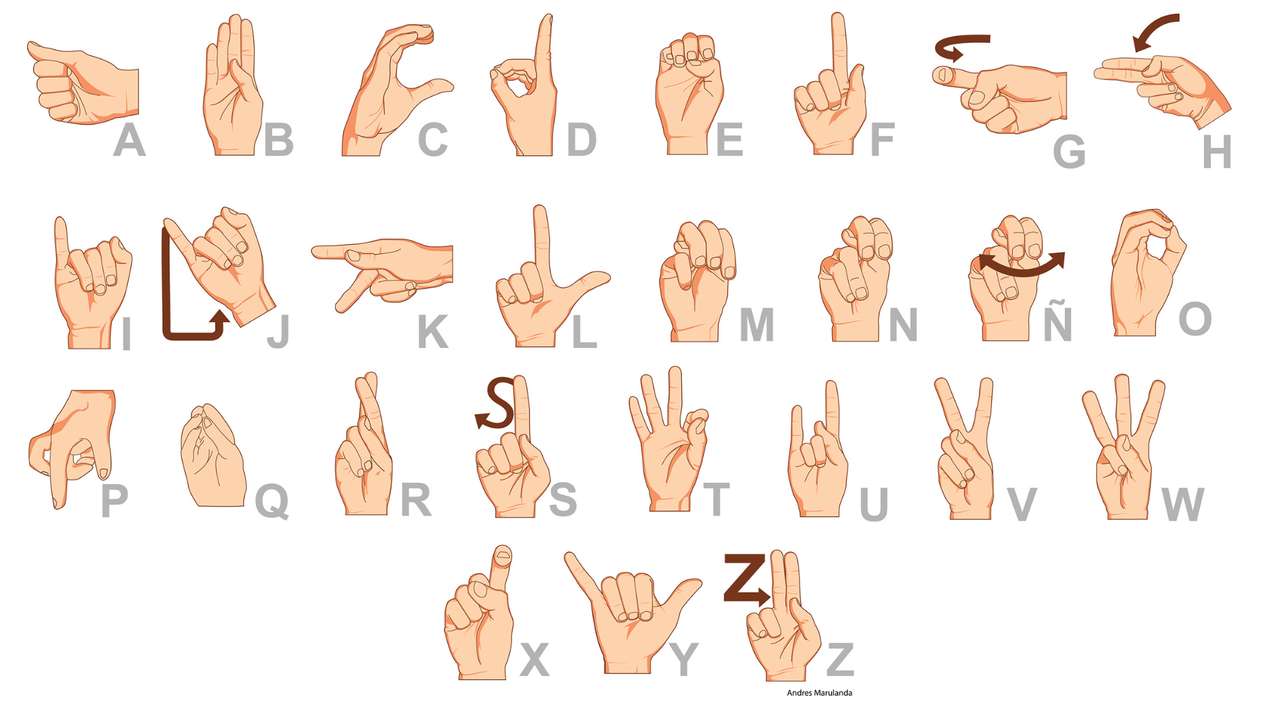
For example, Ukrainian Sign Language has its own system, while American and British Sign Languages have their own. Moreover, even countries that speak the same spoken language may have different sign languages. This means that sign languages have developed naturally within different communities. They have their own grammar, sentence structure, and linguistic features.

There is also what is known as International Sign Language. It is used during international meetings, while traveling, and for communication between people from different countries. However, it does not replace national sign languages and has a simpler structure and a more limited vocabulary.
Interesting Facts About Sign Languages
Sign language is a true language. It cannot be reduced to ordinary gestures or pantomime. It has its own grammar, rules, and structure.
Sign languages are not the same all over the world. There are over 300 of them, and each has developed within a specific linguistic and cultural context.
International Sign Language also exists, but it is used primarily for communication between people from different countries. It is not a full replacement for national sign languages.
Another important fact is that sign languages are tied to culture. For many deaf people, it is not just a tool for communication, but an important part of their identity and community.
There are over 70 million deaf people worldwide who use sign languages. More than 80% of them live in developing countries.
Sign language can also be important for hearing people. It is studied by relatives of deaf people, interpreters, educators, healthcare professionals, social workers, and other specialists. The more people who can communicate in sign language—even at a basic level—the fewer barriers there are in everyday life.
Why It’s Important to Talk About Accessibility
For a deaf person, an everyday situation that seems simple to most people can become a serious problem. For example, this could involve seeing a doctor, receiving important information, or interacting with a government agency. The problem often lies not in the hearing loss itself, but in how well society is adapted to different modes of communication.

If a hospital doesn’t have a sign language interpreter, it can be difficult for a person to explain their symptoms to a doctor. If an important message is broadcast without sign language interpretation or captions, some people simply won’t receive the information. The same applies to education. Access to quality education in sign language is crucial for children’s development and their future lives.

That is why the UN links sign languages to human rights. It is not just about the ability to communicate with one’s hands, but about the ability to be heard and to have equal access to society.
How International Sign Language Day Is Celebrated
This day is celebrated differently in different countries. Civil society organizations, schools, universities, and government agencies hold lectures, meetings, open classes, and awareness campaigns. One popular format is teaching people basic signs. Participants are shown simple words and phrases that can be used in everyday communication.

Events are also held featuring sign language interpreters and members of the Deaf community. They share their personal experiences and discuss issues related to accessibility, education, employment, and communication. On this day, videos in sign language, explanations of individual signs, and people’s stories are posted on social media. Such content helps raise awareness of the issue among a wider audience.

The World Federation of the Deaf also calls for public events. These include illuminating buildings in blue and raising the global Deaf flag in public places, schools, organizations, and government institutions. The main idea behind these events is not simply to draw attention for a single day. The organizers want sign language and the rights of deaf people to be an integral part of everyday public life.
What is the theme of International Sign Language Day in 2026?
In 2026, International Sign Language Day will be observed as part of International Week of the Deaf, which will take place from September 21 to 27. This year’s theme is “Advancing the Rights of Deaf People.” The World Federation of the Deaf links this theme to the need not only to talk about rights but also to ensure they are upheld in practice.

The year 2026 also holds special significance for the World Federation of the Deaf. September 23 marks the 75th anniversary of the organization’s founding. It was established in 1951 in Rome by representatives of 25 national organizations of the deaf. This year, the focus is on the rights of deaf people, linguistic identity, and the ability to use national sign languages without barriers.

The organizers emphasize that the right to sign language must be an integral part of a person’s full participation in society. Therefore, this year’s events are not only celebratory but also aimed at advocating for rights.
How to Get Involved
You don’t have to organize a large-scale event to support International Sign Language Day. You can start with simple things. For example, you can learn a few basic signs and try using them in your daily life. Another interesting option is to watch videos about Ukrainian Sign Language and learn more about the culture of the Deaf community.

Another way is to pay attention to the accessibility of information. If you’re creating videos or working in media, it’s important to remember to include captions and use other methods to make your content more accessible. You can also share verified information about sign languages on social media. This helps dispel the common misconception that sign language is just a set of simple hand movements.

Most importantly, treat people who use sign language as full-fledged members of society. This is precisely what the World Federation of the Deaf emphasizes: people with hearing impairments must participate in decisions that affect their lives and rights.
Why This Day Is Important
International Sign Language Day reminds us of a simple truth—the ability to communicate is an essential part of human life. For millions of people, sign language is their native language. It helps them learn, work, start families, make friends, and participate in society.
Therefore, the main goal of this day is not to pity people who are deaf. It’s about equal opportunities and removing barriers that may prevent people from accessing information, education, or services. September 23 is also an opportunity to learn more about a language used by millions of people in various countries. And at the same time, it serves as a reminder that accessibility begins with a simple desire to understand one another.
That is precisely why the International Day of Sign Languages is more than just a date on the calendar. It is a day when the world discusses linguistic diversity, human rights, and a society in which the way we communicate should not be a barrier to living a full life.




