
Holiday on September 25, 2026 — World Pharmacists Day
September 25, 2026, marks World Pharmacists Day—a professional holiday dedicated to people who work with medications and help patients use them safely. This year’s theme is “Empowering Pharmacists for a Healthier Future,” with a focus on how the role of pharmacists is evolving in today’s healthcare system.
World Pharmacists Day is observed annually on September 25. The date is fixed, so in 2026, the holiday will also fall on September 25. It was established by the International Pharmaceutical Federation (FIP). The organization brings together representatives of the pharmacy profession, pharmaceutical sciences, and education from around the world. The date of September 25 is linked to the history of the federation itself. It was on this day in 1912 that the FIP was founded in The Hague. Many years later, in 2009, the FIP Council in Istanbul officially designated September 25 as World Pharmacists’ Day.
In other words, this holiday is not just a random date on the calendar. It is directly linked to the history of the international pharmacy community and its work. In 2020, the FIP also launched World Pharmacy Week. It runs through September 25 and provides an opportunity to highlight not only pharmacists but also other professionals in the pharmaceutical sector, including pharmaceutical scientists and technicians.
How This Holiday Came to Be
The idea for World Pharmacists Day arose from a desire to draw more attention to a profession that often goes unnoticed by the general public. For most people, the word “pharmacist” is primarily associated with a pharmacy employee who dispenses medications. However, modern pharmacy has long gone beyond simply filling prescriptions. In many countries, pharmacists are involved in disease prevention, vaccinations, medical counseling, and ensuring the proper use of medications. They can also help people manage chronic conditions and explain how to take prescribed medications correctly. World Pharmacists Day has become a way to showcase this work to a wider audience. Each year, the FIP selects a specific theme to highlight a particular aspect of the profession.
In 2026, the federation chose the theme “Empowering pharmacists for healthier futures,” which in Ukrainian can be translated as “Expanding the capabilities of pharmacists for a healthier future.” The idea is that pharmacists need a quality education, up-to-date professional skills, support from the healthcare system, and the opportunity to fully utilize their knowledge. According to the FIP’s vision, a strong pharmacy profession helps make healthcare more accessible and sustainable. The organization also calls on governments, regulators, insurance companies, and other institutions to create conditions in which pharmacists can perform a broader range of professional tasks.
Why Pharmacists Are Important to the Healthcare System
A pharmacist is not just someone who hands a package of medication off the shelf. The WHO notes that a pharmacist’s traditional role includes providing patients with medications, advising on over-the-counter drugs, and offering reliable information about the safety and effectiveness of medications. But over time, this role has expanded significantly. In many countries, pharmacists help people with chronic conditions manage their treatment. They can explain medication regimens, point out potential drug interactions, and help patients better understand their doctor’s recommendations. Another important area is prevention. Pharmacists in various countries participate in vaccination programs, health screenings, and public awareness campaigns. The WHO also lists among their responsibilities improving public health literacy and supporting public health.

For example, in some countries, people can get vaccinated directly at a pharmacy. The FIP has conducted a separate study on pharmacists’ involvement in vaccination and notes that they can not only administer vaccines but also counsel patients, monitor vaccine storage, and help increase vaccination rates. Pharmacists also play a role in medication safety. It is important not only to obtain the necessary medications but also to take them correctly. The WHO emphasizes that patients and healthcare professionals must work together to reduce the risk of errors related to the prescribing, preparation, dispensing, administration, and monitoring of medications.
What is the theme of World Pharmacists Day in 2026?
In 2026, the FIP dedicated the observance to expanding the role of pharmacists. The organization explains that the modern healthcare system faces new challenges—an aging population, the prevalence of chronic diseases, digital technologies, and environmental changes. As a result, the profession of pharmacist itself is evolving. It is no longer enough for a pharmacist to simply have a good knowledge of the range of medications. They must constantly update their knowledge, understand modern treatment methods, work with new technologies, and be able to communicate clearly with patients.

The FIP emphasizes that this requires more than just the personal efforts of pharmacists. Modern education, professional development, appropriate legislation, funding, and the integration of pharmacists into the healthcare system are all crucial. The 2026 theme effectively invites us to take a broader view of the pharmacist. They are not just a specialist working behind the pharmacy counter, but also part of a larger system that helps people access healthcare. “Pharmacists are at the intersection of medication supply, scientific innovation, and patient care,” said FIP President Paul Sinclair, speaking about this year’s campaign. According to him, when professionals have the opportunity to fully utilize their knowledge, the healthcare system becomes more accessible and sustainable.
How World Pharmacists Day Is Celebrated
This is not a holiday with any set rules for celebration. In different countries, professional organizations, pharmacies, universities, healthcare institutions, and pharmacists themselves hold their own events. Each year, the FIP prepares special materials for World Pharmacists Day. These include informational materials, banners, social media graphics, and other resources that help raise awareness about the profession. The organization also encourages its members to hold their own informational and educational events.

On this day, they can organize public lectures, meetings with students, professional conferences, and discussions. Pharmacists can educate the public on the proper use of medications, disease prevention, and safe self-medication. A separate focus could be on vaccination-related activities. In countries where pharmacists have the appropriate authority, pharmacies can participate in vaccination campaigns. They also hold consultations, informational campaigns, and events to improve health literacy.

Another option is charitable and community initiatives. Professional organizations can address issues such as medication accessibility, assistance for vulnerable populations, the fight against counterfeit drugs, or the responsible use of medications. Therefore, for the pharmaceutical community, this day is not just an occasion to congratulate colleagues. It is also an opportunity to discuss industry challenges and explain to the public why the work of a pharmacist is important for people’s health.
Interesting Facts About the Pharmacy Profession
Pharmacists don’t just work in pharmacies. Professionals in this field may work in hospitals, laboratories, universities, research institutions, pharmaceutical companies, and agencies that regulate the distribution of medications. Some pharmacists are involved in research and the development of new drugs.
Pharmacists help ensure the safety of medications. An important part of the profession involves monitoring adverse reactions and issues that may arise during the use of medications. This field is called pharmacovigilance. It helps gather information about the safety of drugs after they are released onto the market.
The role of the pharmacist is changing. In the past, the profession was largely viewed as a job involving the preparation and dispensing of medications. Today, increasing attention is being paid to pharmaceutical care—helping patients use medications correctly and achieve the desired treatment outcomes. The WHO notes that in many countries, pharmacists are gradually taking on more responsibilities in primary health care.
For many people, the pharmacy is the first place they turn to for medical advice. The WHO notes that in many cases, people can consult a pharmacist without an appointment. This is especially important when it comes to minor symptoms or questions about the use of over-the-counter medications.
Pharmacists can be involved in vaccination efforts. In some countries, they not only provide information about vaccinations but also administer them directly. According to the FIP, an international study on the role of pharmacies in vaccination covered 99 countries and territories. It examined, in particular, legislation, pharmacist training, vaccination record-keeping, and the ability to administer vaccines in pharmacies.
Why It’s Important to Take Medications Correctly
World Pharmacists Day is a good opportunity to remind people about the importance of a responsible approach to medications. Even common medications can be dangerous if taken incorrectly, in excessive doses, or when combined with other drugs without consulting a specialist. This is especially true for people who are taking several different medications at the same time. A pharmacist can help you understand your treatment plan and point out potential problems with drug interactions.

In its global initiative “Medication Without Harm,” the WHO emphasizes the shared responsibility of patients and healthcare providers for the safe use of medications. The organization offers a simple principle: “Know. Check. Ask.” Therefore, when buying medications, don’t be shy about asking questions. If you’re unsure when to take a medication, what it shouldn’t be combined with, or how long the treatment course lasts, it’s best to check with your doctor or pharmacist.

At the same time, consulting a pharmacist is no substitute for seeing a doctor when a diagnosis or serious treatment is needed. The pharmacist’s role is, in particular, to help people use prescribed or over-the-counter medications safely.
How to Show Appreciation for a Pharmacist
On World Pharmacists Day, you can simply thank a pharmacist for their work. This is especially appropriate for those who work with patients every day, help them navigate their medications, and answer dozens of questions. The greeting doesn’t have to be formal. It’s enough to wish them good health, professional growth, grateful patients, peaceful workdays, and confidence in their knowledge.
You could say: “Happy World Pharmacists’ Day! I wish you professional success, grateful people around you, peace of mind, good health, and strength. May your work bring not only responsibility but also satisfaction, and may your knowledge always help people.” Another option: “Happy Pharmacist Day! I wish you precision in your work, good colleagues, grateful patients, and many reasons to be proud of your profession. May every workday be peaceful, and may your life outside of work be filled with pleasant experiences.” And if this greeting is for a loved one, you can make it more personal. For example, you could mention their professional achievements, their first job at a pharmacy, or a significant milestone in their career.
What You Should Know About September 25
World Pharmacists Day is not a public holiday nor a celebration with mandatory traditions. Its main goal is to draw attention to the profession and highlight just how broad the role of pharmacists has become in modern medicine. In 2026, this day will be celebrated under the theme “Expanding the Role of Pharmacists for a Healthier Future.” This theme applies not only to pharmacy staff but to the entire pharmaceutical community—from researchers and educators to professionals who work with patients and medications.
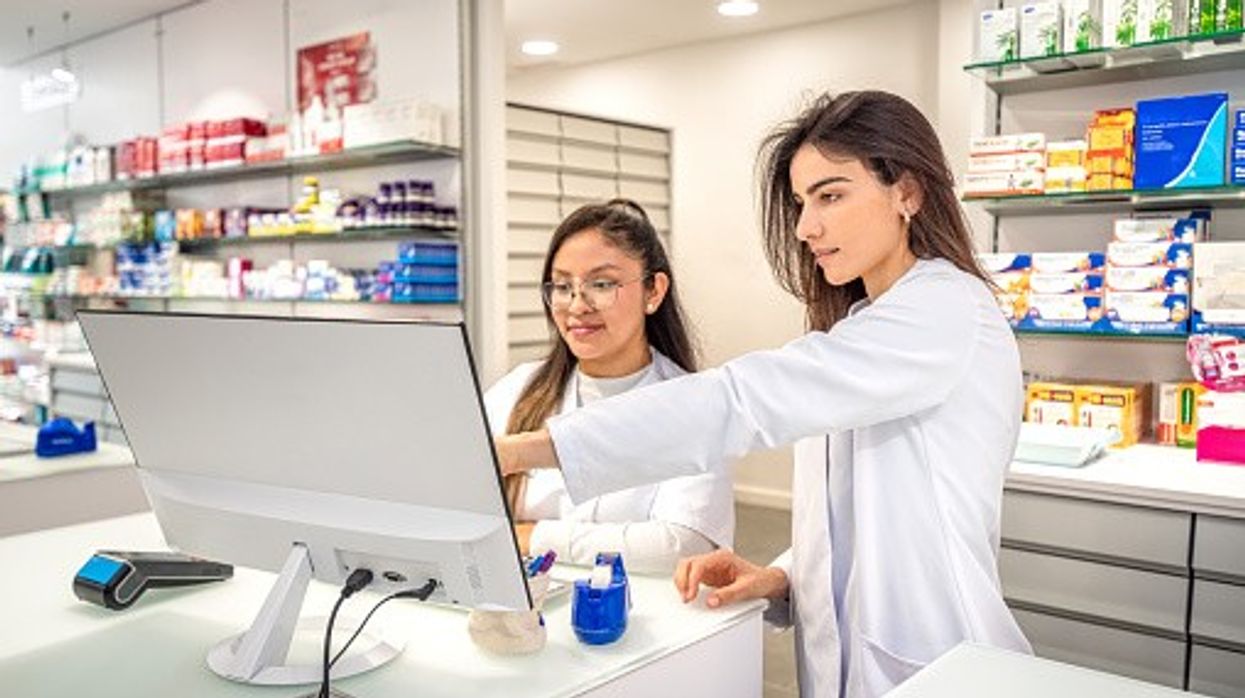
September 25 also serves as a reminder that safe, high-quality medicines are a vital part of any healthcare system. The WHO emphasizes that access to high-quality medicines is crucial for public health, and their proper use helps prevent dangerous errors. For pharmacists themselves, this is a professional occasion to celebrate their colleagues’ achievements and discuss the future of the industry. For patients, it’s an opportunity to remember that behind a routine consultation at a pharmacy lie years of training, professional knowledge, and responsibility.
And the main message of this day is simple: a pharmacist is not just someone who dispenses medication. They are a specialist who helps people use medications correctly, supports disease prevention, and is increasingly becoming an integral part of the modern healthcare system.




