
June 29 Holiday: The World Celebrates International Tropics Day
Every year on June 29, the world celebrates International Day of the Tropics. This holiday was established by the United Nations to highlight the immense importance of tropical regions for life on Earth and to draw attention to the challenges they face. On this day, people discuss not only the region’s exotic natural beauty but also climate change, forest conservation, scientific advancement, and support for the millions of people living in the tropics.
International Day of the Tropics is observed annually on June 29. The observance was established by the UN General Assembly in 2016 and was first observed in 2017. The date was not chosen at random—it was on June 29, 2014, that the first international report, *State of the Tropics*, prepared by twelve leading scientific institutions around the world, was presented. It was this document that highlighted just how important tropical regions are to the entire planet and the challenges they face.

The UN emphasizes that this day is not just about admiring tropical beaches or jungles. Its main goal is to draw attention to climate change, deforestation, biodiversity loss, water scarcity, and social issues that affect the lives of hundreds of millions of people.
Why the Tropics Are So Important
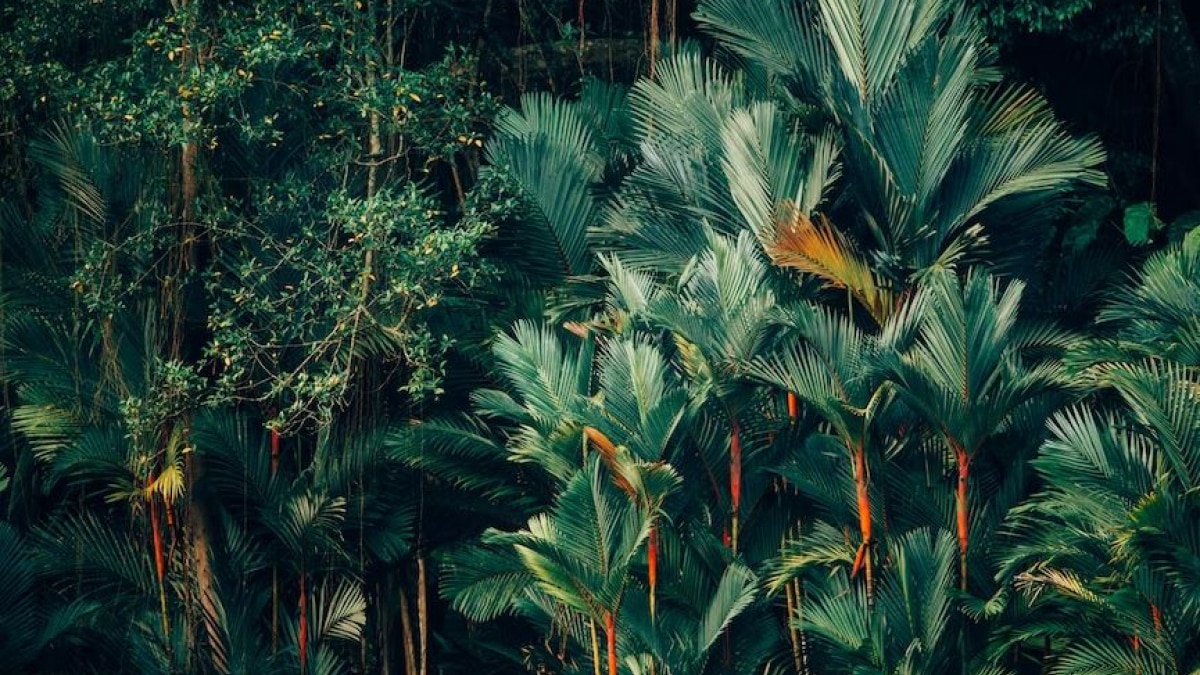
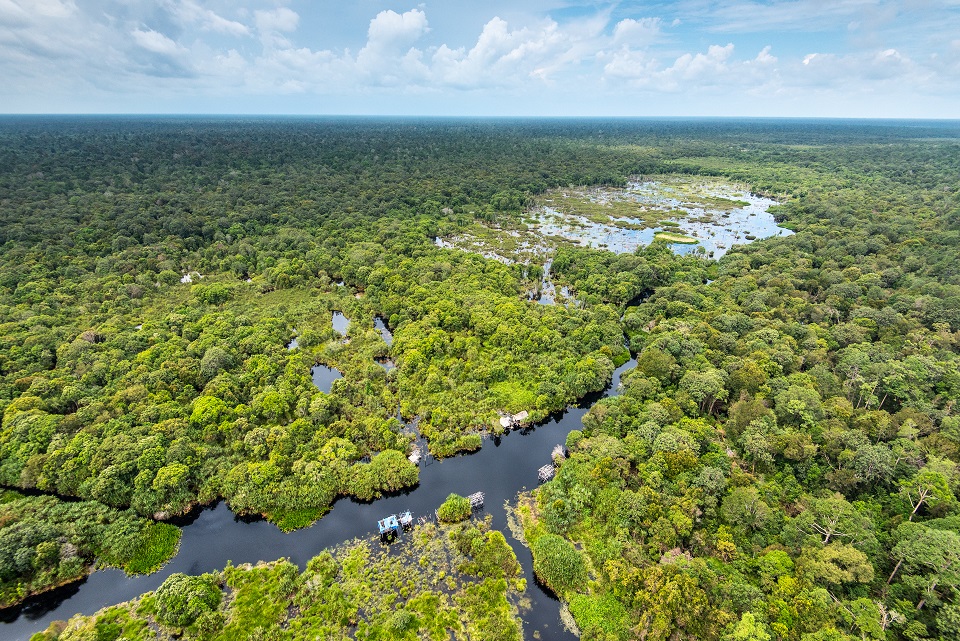
The tropics cover about 40% of the Earth’s surface, but they are home to nearly 80% of all known plant and animal species. This is where the largest tropical forests, mangrove swamps, coral reefs, and unique natural ecosystems are found. Tropical forests, in particular, are often called the “lungs of the planet.” They absorb enormous amounts of carbon dioxide, produce oxygen, and help mitigate global warming.

In addition, tropical regions provide the world with many products without which modern life would be hard to imagine. It is here that coffee, cocoa, bananas, pineapples, mangoes, coconuts, vanilla, spices, and dozens of other crops are grown.
Why the UN Established This Holiday
According to the UN, tropical countries have enormous potential for development but also face serious challenges. These include poverty, deforestation, urbanization, climate change, a shortage of drinking water, and natural disasters.
It is expected that by 2050, the majority of the world’s population and nearly two-thirds of all the world’s children will live in the tropics. Therefore, the future of these regions will directly impact the development of humanity. That is why International Tropical Day serves as a reminder that protecting nature, supporting local communities, and promoting sustainable development are of global importance.
How International Tropical Day Is Celebrated
It is not a national holiday or a day off, but many countries hold themed events. Universities organize lectures on tropical ecosystems, environmental organizations hold eco-campaigns, and museums, botanical gardens, and aquariums prepare special exhibitions and tours.
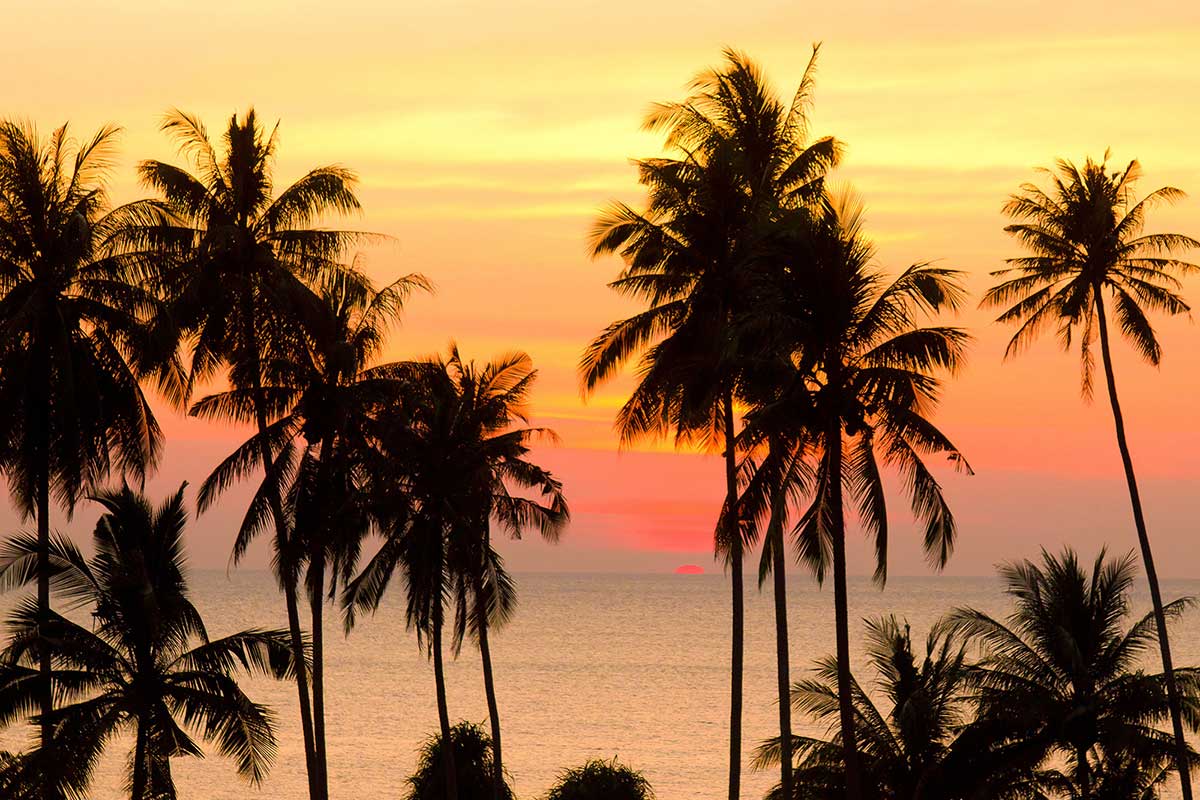
On social media, people share photos of tropical nature, talk about rare animals and plants, and remind others of the need to protect forests and oceans. Conferences are often held on combating climate change and preserving the Amazon, mangrove forests, and coral reefs.
Interesting Facts About the Tropics
The tropics are the region between the Northern and Southern Tropics, that is, between the Tropic of Cancer and the Tropic of Capricorn. This is where the world’s largest tropical forest—the Amazon—is located, often called one of the planet’s greatest natural treasures.

About 95% of the world’s mangrove forests are found in tropical regions. They protect coastlines from storms, are home to thousands of species of fish and animals, and help combat climate change. The tropics also contain more than half of the world’s renewable freshwater supplies, although a significant portion of the population in these regions still suffers from water shortages. Due to high temperatures and humidity, the greatest diversity of flora and fauna on Earth has developed here.
The Tropics Are Under Threat
Despite their natural wealth, tropical regions are facing difficult times today. Deforestation, illegal mining, large-scale wildfires, ocean pollution, and climate change cause serious damage to nature every year.

Scientists warn that the loss of even a portion of tropical forests could accelerate global warming, affect precipitation levels, and lead to the extinction of thousands of plant and animal species. That is why international organizations are calling on governments, businesses, and ordinary people to take a more responsible approach to natural resources.
Why This Holiday Is Important
International Tropical Day serves as a reminder that life on our planet is closely linked to the natural environment of these regions. The climate, food security, freshwater supplies, and the preservation of biodiversity all depend on the condition of tropical forests, oceans, and ecosystems.
That is why, on June 29, the UN calls on us not only to admire the beauty of the tropics but also to remember our responsibility for their future. After all, preserving these unique corners of the Earth contributes to a safer and more stable future for everyone.


