
Holiday on August 4, 2026 – International Smoky Leopard Day
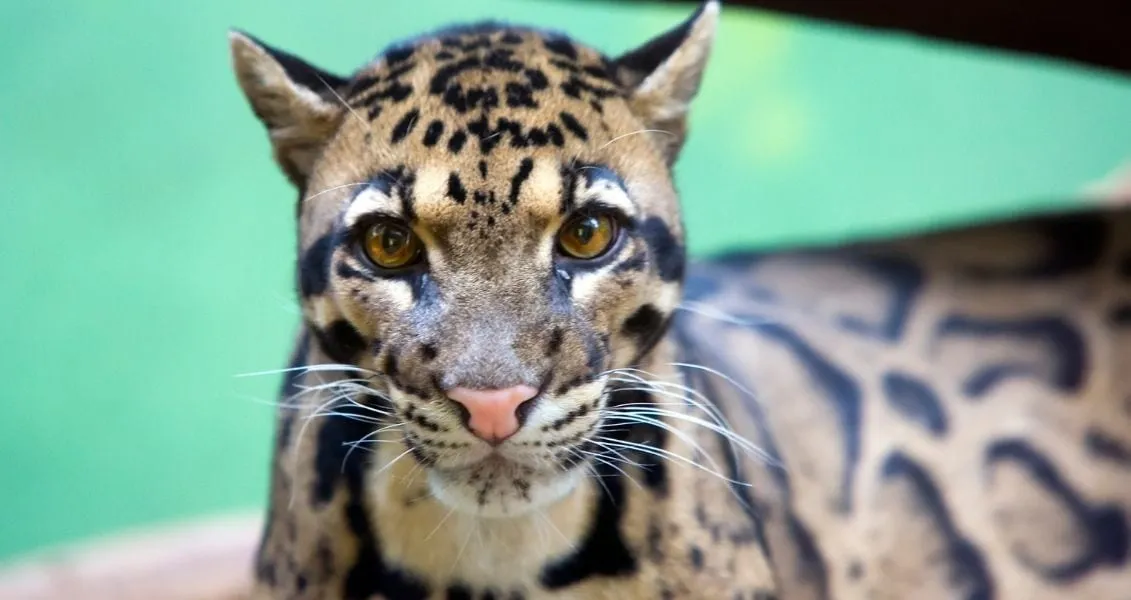
August 4 marks International Clouded Leopard Day—a day dedicated to one of the most mysterious and rare members of the cat family. This is an international environmental initiative designed to draw attention to the conservation of clouded leopards, which are threatened with extinction both in the wild and in captivity.
The clouded leopard is an extremely elusive animal that even researchers rarely spot in its natural habitat. That is why this day serves as a reminder of how important it is to protect Asia’s forests, combat poaching, and support breeding programs for these rare predators.
How the holiday came about
The idea to establish International Smoky Leopard Day was proposed by Lauren Amos and Dan Kemp, staff members at Howlett’s Wildlife Park in Kent, England. They have been working with clouded leopards for many years, caring for them and participating in conservation programs for this species.
The goal of the holiday is not only to draw attention to the animals living in zoos and nature reserves but, above all, to support the populations remaining in the wild. Due to deforestation, poaching, and the loss of natural habitat, the population of clouded leopards is steadily declining.
What Is a Clouded Leopard?
The clouded leopard (Neofelis nebulosa) inhabits the tropical and subtropical forests of Southeast Asia—from Nepal and India to Malaysia and southern China. It gets its name from the large dark spots on its fur, which resemble clouds or smoky patterns.
Despite its name, this animal is not a true leopard. The clouded leopard belongs to a separate branch of big cats and is considered a unique link between large and small wild cats.
Why the Smoky Leopard Is Unique
The clouded leopard has several remarkable features that set it apart from other predators.
- It has the longest fangs among modern felids relative to the size of its skull.
- It is an excellent tree climber and can descend from trees headfirst.
- It is primarily nocturnal.
- It is extremely rare for humans to encounter it in the wild due to its caution and secretive nature.
It is precisely because of this behavior that the clouded leopard is often called the “ghost of the Asian forests.”
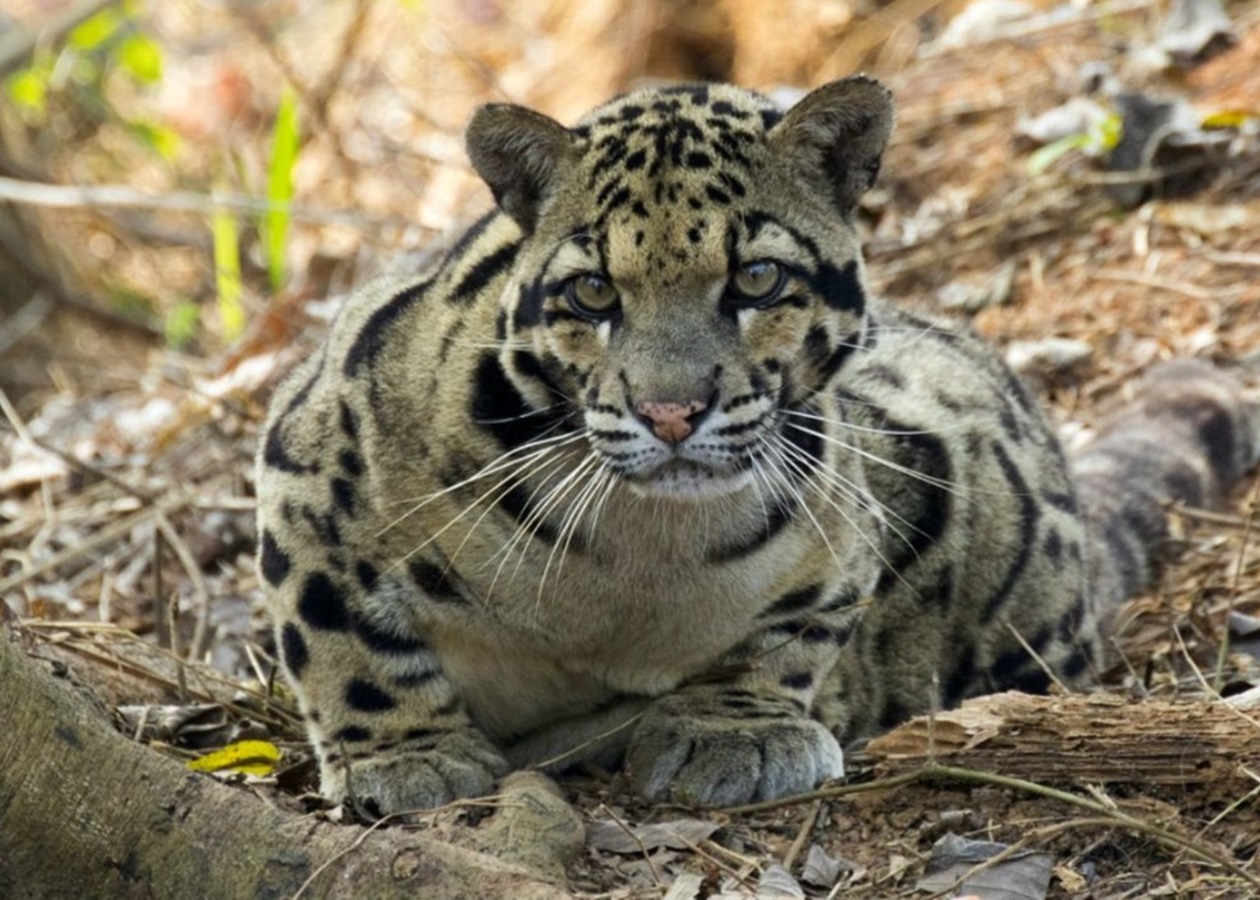
Why This Species Is Disappearing
The main threats to the clouded leopard are human activity and the destruction of natural ecosystems.
The greatest dangers are:
- large-scale deforestation of tropical forests;
- road and infrastructure construction;
- poaching;
- the illegal wildlife trade;
- a decline in the prey on which the predator feeds.
The International Union for Conservation of Nature (IUCN) classifies the clouded leopard as a vulnerable species, and in some regions, its populations are in critical condition.
How International Smoky Leopard Day Is Observed
On August 4, conservation organizations, zoos, nature reserves, and environmental foundations hold themed events, lectures, online campaigns, and charity fundraisers to support programs for the protection of rare felines.
Special attention is given to educational outreach among children and young people, as knowledge about biodiversity helps foster a responsible attitude toward nature.
Interesting Facts About the Smoky Leopard
Smoky leopards are impressive not only for their appearance but also for their abilities.
- Their tail is almost as long as their body and helps the animal maintain balance in trees.
- A clouded leopard can leap several meters in a single bound.
- In the wild, they hunt birds, monkeys, deer, porcupines, and other small and medium-sized animals.
- Due to their secretive lifestyle, the exact population of the species remains difficult to determine.
A Day That Reminds Us of Our Responsibility
International Smoky Leopard Day is not just a date on the calendar, but a reminder that even the planet’s most elusive inhabitants need protection. Preserving tropical forests, supporting conservation programs, and combating the illegal wildlife trade help give this amazing predator a chance for the future.
On August 4, let’s remember the clouded leopard as a symbol of Asia’s wildlife and once again realize just how fragile the world of rare animals is—a world that depends on the decisions we make.




